

Blog

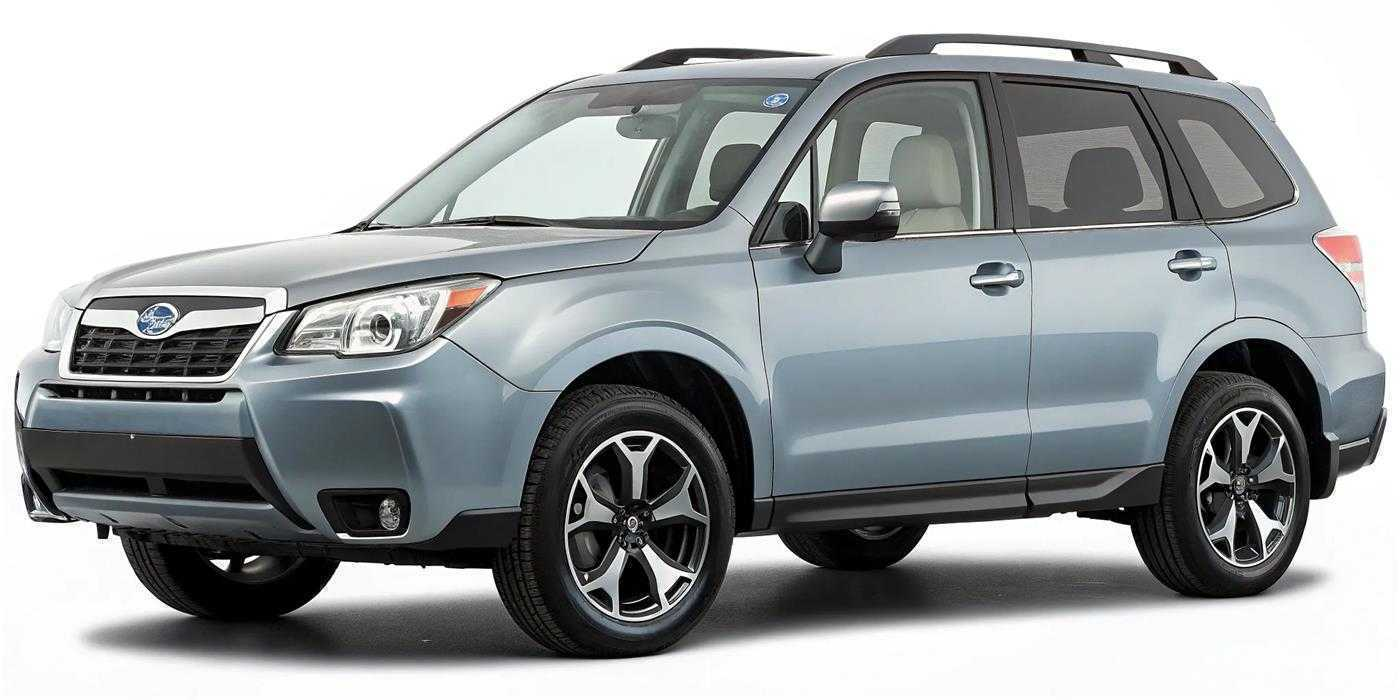
Used Subaru Forester Sport: A Buyer's Guide

Used Subaru Forester Sport: A Buyer's Guide

Get expert tips on finding the best used Subaru Forester Sport, including pricing, model years to buy, common issues, and what to check before you buy.

Shopping for a used car can feel like a high-stakes game, and even a model with a stellar reputation for reliability has its quirks. The Subaru Forester Sport is a fantastic SUV, but not all model years were created equal, and certain known issues can turn a dream car into a costly repair bill. Before you start browsing listings, you need to know what to look for. Think of this as your pre-purchase briefing. We’ll cover the specific mechanical trouble spots to watch out for, which years offer the best combination of features and dependability, and how to inspect a used Subaru Forester Sport like a pro so you can buy with total confidence.

Key Takeaways

  • Stick to the Newer Models: Your best bet is a Forester Sport from 2019-2024. This generation sidesteps the common oil consumption and transmission headaches of earlier models while giving you better standard safety technology.
  • A Thorough Inspection is Non-Negotiable: Pay close attention to how the transmission feels on your test drive and always get a professional pre-purchase inspection. This is your best defense against costly surprises down the road.
  • Know Its Strengths: The Forester Sport excels at safety, all-weather handling, and everyday practicality. It's a reliable and efficient partner, just don't expect it to be the most powerful SUV on the block.

What Makes the Forester Sport a Great Used SUV?

If you're searching for a used SUV that checks all the boxes—practicality, safety, and all-weather capability—the Subaru Forester Sport is likely on your radar. It has a reputation for being a reliable, do-it-all vehicle, and for good reason. It’s the kind of SUV that feels just as at home running errands in the city as it does heading up a mountain road for a weekend camping trip. But what specifically makes it such a strong contender in the crowded used SUV market?

It really comes down to a thoughtful combination of engineering and design. Subaru has focused on creating a vehicle that’s not just a mode of transportation, but a partner for your daily life and adventures. From its standard all-wheel-drive system to its impressive suite of safety features and a surprisingly spacious interior, the Forester Sport delivers on the promises that matter most to drivers. It strikes a great balance, offering enough power for confident driving without sacrificing fuel efficiency, and providing a comfortable, secure ride for you and your passengers. Let's break down the key features that make this model a standout choice.

Engine Power and All-Wheel Drive

Under the hood, the Forester Sport features a 2.5-liter four-cylinder engine that produces 182 horsepower. For you, this means a capable and responsive ride. It has enough power to merge onto the highway with confidence and handle hilly terrain without feeling sluggish. At the same time, it’s engineered for efficiency, so you won’t be wincing at every trip to the gas station. The real star of the show, however, is Subaru’s standard Symmetrical All-Wheel Drive. This isn't an add-on feature; it's a core part of the vehicle's design, providing excellent traction and stability whether you're driving in rain, snow, or on a gravel road. This AWD system gives you an extra layer of confidence in all kinds of conditions.

Safety Ratings and EyeSight Tech

Safety is where the Forester Sport truly shines, making it a top pick for families and anyone who prioritizes peace of mind. Subaru is known for its commitment to safety, and this model is no exception, consistently earning high marks in crash tests. A key reason for this is the inclusion of Subaru’s EyeSight Driver Assist Technology. Think of it as a second pair of eyes on the road. This system includes features like adaptive cruise control, which automatically adjusts your speed to maintain a safe distance from the car ahead, and pre-collision braking, which can apply the brakes for you in an emergency. It’s smart, intuitive technology that works to prevent accidents before they happen.

Interior and Cargo Space

Step inside the Forester Sport, and you’ll find an interior that’s built for real life. The cabin is spacious and airy, with excellent visibility thanks to its large windows and upright design. There’s plenty of legroom for both front and rear passengers, making it comfortable for long road trips. But the practicality doesn't stop there. The Forester Sport offers a generous amount of cargo space, easily accommodating everything from a week's worth of groceries to luggage and outdoor gear. The wide rear gate opening and low load floor make it easy to get bulky items in and out. It’s a thoughtfully designed space that adapts to your needs, whether you're on your daily commute or heading out for an adventure.

How Much Does a Used Forester Sport Cost?

Figuring out a fair price for a used Forester Sport can feel like a moving target. Prices swing based on a few key factors, but knowing the typical range can help you spot a great deal when you see one. The Sport trim holds its value well, thanks to its popular features and reliable reputation, but the final sticker price will always depend on the specific car you’re looking at.

Pricing by Model Year

When you start shopping, you'll notice that prices vary quite a bit depending on the year. For example, used Subaru Forester Sport listings for recent models from 2021 to 2023 can range anywhere from the low $20,000s to over $30,000. This wide gap is due to differences in mileage, overall condition, and included features. As you'd expect, a newer model with fewer miles on the odometer will sit at the higher end of that spectrum. Knowing this helps you set realistic expectations for your budget based on the age of the car you're targeting.

What Influences the Price?

Beyond the model year, several other things play a huge role in the final price tag. Mileage is one of the biggest drivers. For instance, you might see a 2019 Forester Sport with over 150,000 miles listed for around $13,000, while a 2020 model with just 30,000 miles could be closer to $26,000. This shows just how mileage and year can significantly affect pricing. The vehicle's condition, accident history, and even your location also matter. It's always a good idea to check the vehicle's CARFAX Value, as many are priced below it, signaling a potential deal.

Which Forester Sport Model Year Is Best?

Picking the right model year is one of the most important steps when buying a used car. With the Forester Sport, certain years offer a much better ownership experience than others. The fifth generation, which kicked off in 2019, brought a wave of improvements in reliability, technology, and safety that make these later models a smarter buy. On the other hand, some earlier models are known for persistent mechanical issues that can lead to expensive repairs. Understanding these differences will help you find a Forester Sport that’s a dependable partner for your adventures, not a constant source of stress. Let’s look at which years are your best bet and which ones you should probably pass on.

The Best Model Years to Buy

If you’re looking for the sweet spot of reliability and modern features, focus your search on the 2019-2024 Forester Sport models. This generation is widely considered a major step up from its predecessors. Subaru made significant improvements to the vehicle’s platform, enhancing both safety and in-car technology. You’ll find that these newer models come with more standard features, including the updated EyeSight Driver Assist Technology, and they generally have a better track record for dependability. Guides for used car buyers often point to the 2019-2024 Subaru Forester models as a solid choice, making them the safest bet for a used Sport.

Model Years to Skip

While you might find tempting deals on older models, it’s wise to be cautious with Foresters from 2014-2018. These years are known for several significant problems that can be costly to fix. Some of the most frequently reported Subaru Forester issues from this era include excessive oil consumption, transmission troubles, and even premature engine failure. Other common complaints involve failing rear springs and wheel bearings that don't last. While not every car from this period will be a lemon, the risk is considerably higher. Unless you have a complete service history and a thorough inspection gives it a clean bill of health, you may want to skip these model years.

Tech and Safety Upgrades Over Time

One of the biggest distinctions between Forester Sport model years is the evolution of technology and safety. Subaru has consistently made its EyeSight Driver Assist Technology more capable and widely available over time. While earlier models may have offered some features as part of an optional package, the 2019 and newer models include a more advanced version as standard equipment. Over the years, the Forester has received significant upgrades in safety features, with recent models getting more advanced driver-assistance systems. This means better adaptive cruise control, lane-keeping assist, and pre-collision braking, giving you more peace of mind on the road.

Your Pre-Purchase Inspection Checklist

Okay, you’ve found a Forester Sport that looks promising. Before you get too attached, it’s time to play detective. A thorough inspection can save you from major headaches and expenses down the road. Even if you plan on having a mechanic look it over, doing your own initial check will help you weed out any obvious duds. This checklist covers the key areas to focus on so you can feel confident about your potential purchase.

Check the Engine and Transmission

Pop the hood and take a good look around. You don’t have to be a master mechanic to spot potential trouble. First, make sure the primary and secondary hood latches work smoothly. Then, inspect the radiator, hoses, and clamps for any cracks, leaks, or signs of wear. According to Subaru's own 152-point checklist for certified vehicles, these are fundamental checks. During the test drive, pay attention to how the transmission shifts. It should feel smooth and responsive, without any jerking or hesitation. Listen for any unusual noises coming from the engine bay, both when idling and while driving.

Spotting CVT Transmission Issues

Let’s talk about the transmission, specifically the continuously variable transmission (CVT). While CVTs offer a smooth ride, some Forester models, particularly from 2014-2018, have known transmission problems. Be on the lookout for any shuddering or slipping during acceleration, which could signal a failing CVT. Other red flags include a burning smell or whining noises. These issues can be expensive to fix, so it’s critical to pay close attention to the transmission’s performance during your test drive. If anything feels off, it’s a good reason to either walk away or get a specialist’s opinion.

Inspect the Interior and Exterior

A car’s condition can tell you a lot about its history. Walk around the exterior and look for mismatched paint, which could indicate a past accident. Check for dents, deep scratches, and any signs of rust, especially on the undercarriage. Inside, look for excessive wear and tear. Are there tears in the upholstery, deep stains on the carpet, or cracks in the dashboard? While some cosmetic flaws are expected with a used car, obvious signs of rough treatment could suggest the previous owner wasn't diligent with mechanical maintenance either. Test all the electronics, from the windows and locks to the infotainment screen.

Review the Paperwork

The car might look great, but its history is written in the paperwork. Always ask for the vehicle’s maintenance history and service records. A seller with a neat file of receipts from oil changes, tire rotations, and repairs is usually a good sign. This documentation shows the car was cared for and can give you a clear picture of its condition. Don’t be shy about engaging with the seller and asking specific questions about past repairs or any known issues. A transparent seller will be happy to share this information. A vehicle history report, like a CarFax, is also a must-have to check for accidents or title issues.

Common Forester Sport Issues to Know

Every used car has its own set of potential quirks, and the Subaru Forester Sport is no exception. Knowing what to look for ahead of time doesn't mean you should run from a great deal; it just means you'll be a smarter, more prepared buyer. Think of this as your inside scoop on what to pay extra attention to during your test drive and pre-purchase inspection.

Most of the common issues are tied to specific model years, so a vehicle's history report and a thorough check-up are your best friends. We’ll walk through some of the most frequently discussed topics among owners, from how the engine uses oil to the reliability of its transmission. Some problems, like a finicky infotainment system, are minor annoyances. Others could point to more significant repairs down the road. Being aware of these potential trouble spots helps you ask the right questions, negotiate a fair price, and decide if a particular Forester Sport is the right one for you.

Excessive Oil Consumption

One of the most talked-about issues with some Forester models is excessive oil consumption. This was particularly noted in models from the early 2010s, but it’s something to be aware of in any used car. Some owners have found their Foresters burn through oil faster than expected, requiring them to top it off between scheduled changes. This can sometimes be linked to more serious problems like engine oil leaks or internal engine wear.

During your inspection, ask to see the oil level on the dipstick. If it’s low, it could be a red flag. Also, keep an eye out for blueish smoke from the exhaust when the car starts or accelerates, and check for any burnt oil smells. This is a key area where a mechanic’s pre-purchase inspection can give you total peace of mind.

CVT Reliability Concerns

Subaru’s Continuously Variable Transmission (CVT) is designed to deliver a smooth ride and better fuel efficiency. While many owners have no problems, some earlier models, particularly between 2014 and 2018, have had reported transmission issues. These can range from shuddering at low speeds to outright failure, which is a costly repair.

On your test drive, pay close attention to how the transmission behaves. It should feel smooth and responsive. Listen for any whining noises, and feel for any jerking or hesitation as you accelerate from a stop and at various speeds. If anything feels "off," it’s worth having a mechanic who is familiar with Subarus take a closer look. A well-maintained CVT should last a long time, so checking the service records for regular fluid changes is also a great idea.

Easily Cracked Windshields

This one might sound minor, but it’s a surprisingly common complaint among Forester owners. Many have reported that their windshields seem prone to chipping and cracking from minor road debris. This is often attributed to the windshield's angle and the glass used. The issue can be more than just an annoyance because the advanced Subaru EyeSight system cameras are mounted behind the windshield.

A replacement isn't just a simple piece of glass; the system often needs to be recalibrated by a dealer or a specialized shop, adding to the cost. When you inspect a used Forester Sport, look very closely at the windshield for any tiny chips or stars, especially around the edges. Even a small chip can quickly spread into a large crack.

Suspension and Electronic Glitches

Like many modern cars, the Forester Sport is packed with technology, and sometimes that tech can have hiccups. Owners have reported a range of smaller issues, from a glitchy infotainment screen that freezes or disconnects from their phone to finicky power liftgates. Other trouble spots can include body hardware, which might lead to rattles or noises over bumps, and issues with the emissions or fuel system that trigger a check engine light.

During your test drive, make it a point to test everything. Connect your phone, play with the touchscreen, use the steering wheel controls, and listen for any unusual rattles or clunks from the suspension on uneven roads. While these are often not deal-breakers, knowing about them can help you negotiate a better price to cover any potential repairs.

The Pros and Cons of a Used Forester Sport

Every used car comes with its own set of strengths and weaknesses, and the Forester Sport is no exception. It’s a fantastic SUV for many people, but it’s smart to go into your search with a clear picture of what makes it shine and where it can fall short. Understanding both sides helps you decide if it’s the right fit for your lifestyle and budget, and it arms you with the right questions to ask when you’re looking at a specific vehicle. Let’s break down what owners love, what they don’t, and what you can expect to spend on upkeep.

The Pros: Why You'll Love It

There’s a reason the Forester Sport has such a loyal following. Owners consistently give it high marks, with an average rating of 4.8 out of 5 stars on CARFAX. A huge part of that satisfaction comes from its reputation for reliability and relatively low maintenance costs, which means fewer surprise trips to the mechanic. People also rave about the safety features, especially Subaru's EyeSight Driver Assist Technology, giving them peace of mind on the road. To top it off, the Forester Sport delivers solid gas mileage for an all-wheel-drive SUV, making it a practical choice for daily commutes and weekend adventures alike.

The Cons: What to Consider

While there's a lot to love, there are a few potential downsides to keep in mind. A common complaint is that the Forester Sport can feel a bit underpowered, especially after Subaru discontinued the more potent turbo engine option. Some model years are also known for specific issues, including excessive oil consumption, transmission problems, and premature wheel bearing failure. These aren't guaranteed problems, but they are known patterns you should be aware of. It’s why a thorough pre-purchase inspection is so important before you make a final decision.

Typical Maintenance and Repair Costs

The Forester is generally praised for being affordable to maintain, but you should still budget for potential repairs. Some of the more common trouble spots reported by owners include the in-car electronics, exhaust system, and brakes. Other issues that can pop up are related to the fuel system, body hardware, and occasional engine electrical glitches or leaks. While many owners enjoy years of trouble-free driving, knowing the potential reliability issues for specific model years can help you anticipate future costs and choose the best possible vehicle.

How the Forester Sport Stacks Up

When you’re looking for a used SUV, you’re not just buying a car; you’re choosing a partner for your daily drives, weekend adventures, and everything in between. The Forester Sport holds its own against competitors by delivering a well-rounded experience. It blends practicality with a touch of personality, making it a solid choice for anyone who needs a reliable and versatile vehicle. Let’s look at how it performs in the areas that matter most.

Performance and Fuel Economy

The Forester Sport offers a capable and smooth ride, but it’s important to set the right expectations. While the "Sport" trim adds some stylish flair, this SUV prioritizes practicality over pure power. The engine is responsive enough for city driving and highway merging, but it’s really built for efficiency. You can expect to get around 29 miles per gallon combined, which is great for an all-wheel-drive SUV. This balance makes it a smart choice for your daily commute and longer road trips. Listings for a used Subaru Forester 2.5i Sport AWD often highlight this fuel economy as a key selling point for budget-conscious drivers who don’t want to sacrifice capability.

Handling in Bad Weather

This is where the Forester Sport truly shines. Thanks to Subaru’s standard Symmetrical All-Wheel Drive, this SUV provides a sense of security that’s hard to beat, especially when the weather turns sour. It grips the road with confidence, giving you excellent control on wet, snowy, or icy surfaces. Owner reviews on sites like CARFAX are filled with praise for its performance in challenging conditions. Drivers consistently report feeling safe and in command, whether they’re dealing with a winter storm or a rainy backroad. If you live in an area with unpredictable weather, the Forester Sport’s reliable handling is a major advantage.

Cargo Room and Everyday Use

The Forester Sport is designed for real life. The interior feels open and airy, with fantastic visibility that makes parking and changing lanes much easier. There’s generous legroom for both front and rear passengers, so everyone can ride comfortably. The cargo area is spacious and practical, with a wide opening that makes loading groceries, luggage, or outdoor gear a breeze. The rear seats fold down easily to create a flat, versatile space for larger items. It’s this thoughtful, user-friendly design that makes the Forester Sport an excellent companion for everything from daily errands to weekend getaways.

What Do Owners Really Think?

Reading spec sheets and professional reviews is one thing, but hearing from people who live with the car every day gives you the real story. When you dig into owner forums and reviews, you get a clear picture of the Forester Sport's strengths and weaknesses, from the daily joys to the long-term quirks. Here’s a breakdown of what actual owners have to say.

What Owners Love

It’s hard to find an owner who doesn’t have good things to say about their Forester Sport. The car consistently earns high ratings, with many drivers pointing to its fantastic reliability and low maintenance costs as major selling points. The standard safety features are another huge win; owners frequently mention feeling secure and protected on the road. The interior also gets a lot of praise for being comfortable and surprisingly roomy. With great visibility and plenty of legroom, it’s a practical SUV that’s easy to live with, whether you’re running errands or heading out on a road trip. You can find hundreds of owner reviews that echo these sentiments.

Common Owner Gripes

No car is without its flaws, and the Forester Sport is no exception. A common complaint is that it feels a bit short on power. After Subaru discontinued the zippy turbo engine, some drivers find the standard engine a little sluggish, especially when merging onto the highway. Beyond that, certain model years have a reputation for more serious issues. Some of the most frequently reported Subaru Forester problems include excessive oil consumption, transmission failures, and failing wheel bearings. These issues aren't universal, but they are common enough that you should be aware of them when looking at a specific used model.

Long-Term Reliability and Satisfaction

So, how does the Forester Sport hold up after years on the road? For the most part, it’s a solid performer, but owners do report a few recurring trouble spots. The in-car electronics can be a source of frustration, and some people experience issues with body hardware, the fuel system, or paint and trim over time. One of the most talked-about quirks is the windshield, which many owners say is surprisingly fragile and prone to cracking. While these issues aren't necessarily engine-related, they are the kinds of things that can impact your long-term satisfaction. You can find detailed discussions about fifth-generation reliability on owner forums.

Where to Find Your Used Forester Sport

Once you’ve decided the Forester Sport is the right SUV for you, the next step is tracking one down. You have a few different paths you can take, from browsing dealership lots to scrolling through online listings from your couch. Each option has its own set of pros and cons, so let's break down where to look and what to expect.

Buying from a Dealer vs. a Private Seller

Deciding between a dealership and a private seller is one of the first choices you'll make. Dealerships typically offer a wider selection, potential financing options, and the possibility of a warranty. The trade-off is that their prices might be a bit higher. Private sellers, on the other hand, can offer great deals since they don't have the overhead costs of a dealership. The key is to do your homework, as private sales are usually "as-is." Using a site that helps you compare prices can give you the confidence to know whether you're getting a fair deal, no matter where you buy.

The Perks of Certified Pre-Owned

If you're looking for extra peace of mind, a Certified Pre-Owned (CPO) Forester Sport is a fantastic option. These aren't just typical used cars; they're the best of the bunch. To earn the CPO title, a vehicle has to pass a rigorous multi-point inspection set by the manufacturer. They also come with an extended factory warranty, which is a huge plus. As experts point out, these cars have been thoroughly checked and approved by a professional. This certification process means you're getting a reliable vehicle that's been vetted for quality, taking a lot of the guesswork out of buying a used Subaru Forester Sport for sale.

Shopping Online vs. Locally

Whether you prefer to kick the tires in person or browse from home, you have plenty of options. Local dealerships and private sellers are great for test drives, but online platforms have completely changed the car-buying game. Websites now let you find cars by location, make, model, year, price, and even color, making it incredibly easy to narrow down your options before you even leave the house. These sites analyze millions of listings to help you spot the best deals in your area or across the country. This combination of powerful search tools and market analysis means you can do most of the heavy lifting from your computer, saving you time and helping you find the perfect Forester Sport.

Frequently Asked Questions

Is the "Sport" trim just about looks, or is it actually sporty? That's a great question, and it's smart to clarify. The "Sport" in Forester Sport is more about style than performance. It adds unique design touches like orange accents and blacked-out wheels that give it a more athletic look. While the engine is capable enough for daily driving and adventures, it's not a high-performance machine. Think of it as a practical, reliable SUV dressed in its most stylish outfit, not a race car in disguise.

What's the single most important thing to do before buying a used Forester Sport? If I had to pick just one thing, it would be to get a pre-purchase inspection from a trusted mechanic, preferably one who knows Subarus. While you can and should do your own initial check of the car's condition and paperwork, a professional can spot underlying issues you might miss, like early signs of transmission trouble or hidden rust. This is the best money you can spend to avoid buying a car with expensive, hidden problems.

I see the 2019-2024 models are recommended. Is there a 'best' year within that range? Within that solid fifth-generation range, the newer the model, the more refined it's likely to be. Subaru often makes small tweaks and improvements year over year. For example, a 2022 or 2023 model might have a slightly updated infotainment system or more advanced safety features than a 2019. However, any well-maintained Forester Sport from 2019 onward is a fantastic choice, so focus on finding the best-condition car with the lowest mileage that fits your budget.

How worried should I be about the CVT transmission issues? It's wise to be aware of the CVT concerns, but you don't need to be overly worried, especially if you're looking at the recommended 2019 and newer models. The most significant issues were reported in the previous generation (2014-2018). When you test drive any Forester, pay close attention to how the transmission feels. It should be smooth and quiet. If you notice any shuddering, jerking, or strange noises, that's a major red flag to either walk away or have it thoroughly inspected.

Besides the purchase price, what are the biggest long-term costs I should plan for? Beyond routine maintenance like oil changes and tires, a couple of things are worth budgeting for. The windshield is a common one; many owners report they crack easily, and replacement can be pricey because of the EyeSight camera system. Also, while generally reliable, be prepared for potential electronic glitches with the infotainment system or power liftgate as the car ages. Setting aside a small fund for these kinds of unexpected repairs is always a smart move with any used car.


Recommended Posts

Pre Approved Car Loans Online: A Step-by-Step Guide

Pre Approved Car Loans Online: A Step-by-Step Guide

Get pre approved car loans online with this clear, step-by-step guide. Learn what you need, how the process works, and tips for finding the best rates. Walking onto a car lot without your financing in order can feel like showing up to a final exam without studying. You’re unprepared, a little stressed, and not in a position to get the best outcome. Securing one of the many pre approved car loans online before you start shopping completely changes the dynamic. It’s the single most effective step you can take to put yourself in control of the entire car-buying process. This isn't just about knowing if you'll get a loan; it's a strategic move that gives you a firm budget, serious negotiating power, and the confidence to focus on finding the right car at the right price. Key Takeaways Establish your budget and bargaining power: Getting pre-approved sets a clear spending limit and turns you into a cash buyer at the dealership, letting you negotiate the car's price, not just the monthly payment. Prepare your finances for a better offer: Lenders primarily look at your credit score and debt-to-income ratio, so improving these factors before you apply can help you secure a lower interest rate and save money. Look beyond the interest rate: To understand the true cost of a loan, compare the Annual Percentage Rate (APR), which includes fees, and consider how a longer loan term increases the total amount you'll pay in interest. What Does It Mean to Get Pre-Approved for a Car Loan? Getting pre-approved for a car loan is like getting a green light from a lender before you start shopping. It’s a conditional offer that tells you exactly how much you can borrow for a vehicle. According to Nissan USA, this offer also includes an estimated interest rate and the loan term, which is how long you'll have to pay it back. Walking into a dealership with a pre-approval letter in hand shows you're a serious buyer with financing already lined up. This puts you in a much stronger position to negotiate the final price of the car, not the monthly payment. Pre-Approval vs. Pre-Qualification: What's the Difference? It’s easy to mix up pre-qualification and pre-approval, but they serve different purposes. Pre-qualification is the first, informal step. It gives you a ballpark figure of what you might be able to borrow based on a quick financial overview and a soft credit check, which won’t affect your credit score. Pre-approval is the real deal. It’s a more formal process where you submit a detailed application, and the lender performs a hard credit check. In return, you get a conditional commitment for a specific loan amount and interest rate. While a car loan pre-qualification is great for getting a general idea of your budget, a pre-approval is what you need to shop with confidence. How the Online Pre-Approval Process Works Getting pre-approved online is usually quick and convenient. You’ll start by selecting a few lenders, like your bank, a credit union, or an online financing company, and filling out their applications. You'll need to provide personal and financial information, including your income and employment details. Once you submit your application, the lender will review your credit report and financial standing. If you meet their criteria, they will send you a pre-approval letter. This letter is your ticket to a smoother car-buying experience. Having an auto loan pre-approval means you can focus on finding the right car because you already know what you can afford. Why You Should Get Pre-Approved Before Car Shopping Walking onto a car lot without a pre-approved loan is like going grocery shopping while you're hungry: you're more likely to make an impulsive decision you'll regret later. Getting pre-approved for a car loan isn't just about knowing if you'll qualify; it's a strategic move that puts you in the driver's seat of the entire purchasing process. It transforms you from a casual browser into a serious buyer with negotiating power. By securing your financing first, you can focus on what really matters: finding the right car at the right price, without the stress and pressure of sorting out the money on the spot. Shop with a Clear Budget One of the biggest advantages of pre-approval is clarity. Instead of guessing what you can afford or being swayed by a salesperson, you’ll have a firm number. Getting pre-approved early helps you know your budget before you even start looking at cars. This means you can filter your search to vehicles that fit comfortably within your financial plan, saving you time and preventing the disappointment of falling for a car that’s out of reach. It also signals to dealers that you’re a prepared, serious buyer, which can make the whole experience smoother. Gain the Upper Hand in Negotiations Imagine walking into a dealership with a check ready to go. That’s the power a pre-approval gives you. You’re no longer dependent on the dealer’s financing options, which may not be the most competitive. This allows you to negotiate on the price of the car, not the monthly payment. With financing secured, you can confidently say, "I can spend up to X amount." According to J.D. Power, nearly half of all buyers research financing options before they purchase a vehicle, turning what can be a stressful process into a confident, well-planned transaction. Speed Up Your Time at the Dealership Let’s be honest, nobody enjoys spending hours stuck in the dealership’s finance office. A pre-approval dramatically cuts down on this wait time. Since you’ve already handled the bulk of the financial paperwork with your lender, you can spend less time filling out paperwork at the dealer. The process becomes much more streamlined: you find the car, agree on a price, sign the final papers, and get the keys. This lets you focus on the excitement of driving your new car home instead of getting bogged down by administrative hurdles. Find a Better Interest Rate Relying solely on dealership financing means you might miss out on a better deal. When you get pre-approved, you have the opportunity to shop around with different lenders, like banks, credit unions, and online institutions, to find the best possible interest rate. Securing a lower rate can save you hundreds, or even thousands, of dollars over the life of your loan. Being pre-approved can help you find and lock in a lower interest rate on your car loan, and you can even use your pre-approval offer as leverage to see if the dealership can beat it. What You'll Need for Your Online Application Applying for a pre-approved car loan online is much simpler when you have all your information ready to go. Think of it like gathering your ingredients before you start cooking; a little prep work up front saves you from scrambling later. Lenders need to get a clear picture of your financial health to determine what you can afford and the interest rate you qualify for. Having your documents organized will make the application process feel like a breeze. You’ll generally need three main categories of information: your personal details, proof of your income, and a few key financial numbers. Let's walk through exactly what you should have on hand. Your Personal Information First, you’ll need to provide some basic personal details to verify your identity. This is standard for any loan application and includes your full legal name, current address, date of birth, and Social Security number. Lenders use this information to pull your credit history and confirm you are who you say you are. They will also ask about your current living situation (whether you rent or own) and how long you’ve lived at your address. It’s all part of building a complete profile that helps them assess your application accurately. Proof of Income and Employment Next, lenders need to see that you have a steady source of income to make your monthly car payments. You’ll need to provide proof of your earnings and employment. The easiest way to do this is with recent pay stubs, but you can also use W-2s, tax returns, or bank statements showing regular deposits. Be prepared to share your employer’s name and how long you’ve worked there. If you’re self-employed or have other sources of income, have the corresponding documentation ready. This step is all about showing the lender you have a reliable ability to repay the loan. Your Key Financial Details Finally, you’ll need to share some important financial details, with your credit score being the star of the show. Your credit score gives lenders a quick snapshot of your creditworthiness and plays a huge role in the interest rate you’ll be offered. A higher score generally leads to a lower rate, which can save you a lot of money over the life of the loan. It’s a great idea to check your credit reports before you apply so you know where you stand. You’ll also be asked about any existing debts, like student loans, credit card balances, or a mortgage, so the lender can understand your complete financial picture. How to Compare Online Lenders Once you have a few pre-approval offers in hand, it’s time to put on your detective hat. Not all loan offers are created equal, and the best one for you isn't always the one with the lowest monthly payment. Taking a little time to compare the details can save you a significant amount of money and future headaches. You’ll want to look at the interest rates, the length of the loan, any potential fees, and what the overall experience of working with the lender will be like. Let’s break down exactly what to look for. Compare Interest Rates and Loan Terms Your first move is to compare the interest rates and loan terms from each lender. The interest rate directly impacts how much you’ll pay for the convenience of borrowing money. When you’re looking at offers, you’ll see that some of the best auto loan rates often come from credit unions like PenFed, which has offered rates as low as 3.39% for new cars. Even a small difference in the rate can add up to hundreds of dollars over the life of your loan. Also, pay close attention to the loan term, which is the amount of time you have to pay it back. A longer term might give you a lower monthly payment, but you'll likely pay more in total interest. Look for Hidden Fees and Extra Costs The interest rate is a big piece of the puzzle, but the annual percentage rate (APR) tells a more complete story. The APR includes the interest rate plus any lender fees, giving you a truer sense of the loan's total cost. Some lenders charge origination fees for processing the loan or prepayment penalties if you decide to pay it off early. These extra costs can be tucked away in the fine print. Make sure you read your loan agreement carefully and ask the lender to clarify any fees you don’t understand. Your final rate can also be affected by your down payment, the car’s age, and your credit history, so be sure to review the final offer before signing. Evaluate the Application Process and Customer Support How easy was it to get your pre-approval offer? In a world where we can do almost anything from our phones, a clunky application process can be a red flag. Many borrowers prefer a simple, digital loan application process that provides a decision within minutes. A lender that invests in a smooth, user-friendly online platform shows that they value your time. Beyond the tech, consider the human element. Is it easy to find contact information for customer support? If you have a question about your bill or need assistance down the road, you’ll be glad you chose a lender that is responsive and easy to reach. What Affects Your Pre-Approval Odds (and Your Rate)? When you apply for pre-approval, lenders look at your financial picture to decide two things: whether to lend you money and how much interest to charge. Think of it as a financial health checkup. They aren't trying to be nosy; they just want to be confident you can handle the monthly payments. Understanding what they look for can help you put your best foot forward. The main factors are your credit score, your income compared to your debt, and your employment history. Let's break down what each of these means for your application. The Role of Your Credit Score Your credit score is one of the most important factors in any loan application. It’s a three-digit number that gives lenders a quick snapshot of your history with borrowing money. A higher score shows you have a track record of paying bills on time, which makes you a lower-risk borrower. To get the best interest rates and loan terms, lenders usually look for a credit score of 670 or higher, which is often called "prime" credit. If your score is lower, you might still get pre-approved, but likely with a higher interest rate. A better rate can save you hundreds or even thousands of dollars over the life of your loan. Your Income and Debt-to-Income (DTI) Ratio Lenders want to see that you have enough money coming in to comfortably afford a car payment on top of your other expenses. That’s where your debt-to-income (DTI) ratio comes in. This is the percentage of your gross monthly income that goes toward paying your monthly debts (like rent, student loans, and credit card payments). Lenders will ask about your income, credit history, and other debts you might have. A lower debt-to-income ratio can improve your chances of getting pre-approved because it signals that you aren't overextended financially and can take on a new loan. Why Your Employment History Matters A steady job shows lenders that you have a consistent and reliable way to make your loan payments each month. While your income amount is important, so is its stability. Lenders will typically ask for your employment history for the last few years. Having a job or another way to show you have income is a key requirement for pre-approval. Lenders want to ensure you have a reliable source of income to make your loan payments on time. If you’re self-employed or have a non-traditional job, be prepared to provide extra documentation, like tax returns or bank statements, to show your income is stable. How to Improve Your Chances of Getting Approved If you’re feeling a little nervous about hitting “submit” on your loan application, take a deep breath. Lenders look at the big picture, and there are several practical steps you can take to present your finances in the best possible light. Focusing on a few key areas before you apply can make a real difference, not just in getting a “yes,” but also in securing a lower interest rate. Think of it as doing your homework to get the best grade possible. A little preparation now can save you a lot of money and stress down the road. Strengthen Your Credit Profile Your credit score is one of the first things a lender checks, as it gives them a quick snapshot of your history with borrowing money. To get the most favorable rates and terms, lenders generally look for what’s considered a good credit score for an auto loan, which is typically a FICO Score of 670 or higher. If your score isn’t quite there yet, don’t worry. You can work on improving it by consistently paying all your bills on time and paying down balances on your credit cards. It’s also a great idea to pull your credit reports (you can get them for free) and check for any errors that might be dragging your score down. Lower Your Debt-to-Income Ratio Another key metric lenders examine is your debt-to-income (DTI) ratio. This is simply the percentage of your gross monthly income that goes toward paying your monthly debts, like rent, credit card payments, and other loans. A lower DTI shows lenders you have enough room in your budget to comfortably handle a new car payment. If you can, try to pay down some of your existing debts before you apply. Another effective strategy is to save up for a larger down payment. Making a bigger down payment reduces the total amount you need to borrow, which not only lowers your DTI but can also save you a significant amount in interest over the life of the loan. Avoid These Common Application Mistakes The auto financing world can be confusing, and it’s easy to get overwhelmed. In fact, a report from the Consumer Financial Protection Bureau found that many people have trouble understanding auto financing terms and are often surprised by the total cost. One of the biggest mistakes is rushing through the application and paperwork. Take your time to read everything carefully and double-check that all your information, like your income and address, is accurate. Don’t be afraid to ask the lender to clarify any fees or terms you don’t understand. Getting pre-approved first is a great way to avoid this pressure and confusion at the dealership, allowing you to focus on finding a car that truly fits your budget. You're Pre-Approved! What's Next? Getting that pre-approval notification is a great feeling. It means you’ve cleared a major hurdle in the car-buying process and can now shop with confidence. But what exactly do you do with this pre-approval? Think of it as your golden ticket for the next phase of your car search. It gives you a clear budget and serious bargaining power. Now, let's walk through how to understand your offer, keep an eye on the timeline, and use it to your advantage when you find the perfect car. Taking these next steps correctly will make your experience at the dealership much smoother and help you secure a deal you feel good about. How to Read Your Pre-Approval Letter Your pre-approval letter is more than just a number; it’s a detailed look at what a lender is willing to offer you. When you get a pre-approved car loan, the letter will outline a few key things. First, you’ll see the maximum loan amount, which is the total you can borrow. This sets the ceiling for your budget. Next, you’ll find the estimated Annual Percentage Rate (APR), which is the interest rate you’ll pay. Finally, it will show the loan term, or the length of time you have to pay back the loan, usually in months. Understanding these three components helps you calculate your potential monthly payment and shop for cars that fit comfortably within your financial plan. Know Your Pre-Approval's Expiration Date It’s important to remember that your pre-approval offer won’t last forever. Lenders typically include an expiration date on the letter, which gives you a set window to finalize your car purchase. This period usually ranges from 30 to 90 days. The expiration date exists because your financial situation and credit information can change over time. If you don’t buy a car before the offer expires, you’ll likely have to go through the application process again. So, once you have your pre-approval in hand, it’s a good idea to start your car search in earnest. Keeping this timeline in mind helps you stay focused and ensures your financing is ready to go when you find the right vehicle. How to Use Your Pre-Approval at the Dealership Walking into a dealership with a pre-approval letter in hand puts you in a strong position. It shows the sales team that you’re a serious buyer with secured financing. When you’ve picked out a car, you can present your pre-approval to the finance manager. While you’ve already done most of the work, you will still need to complete a final credit application at the dealership to formalize the loan. The good news is that since you've already started the loan process, you can spend much less time filling out paperwork. This lets you focus on the exciting part: finalizing the details for your new car and getting ready to drive it home. Frequently Asked Questions Will applying for pre-approval hurt my credit score? Applying for pre-approval does involve a hard credit inquiry, which can cause your credit score to dip by a few points temporarily. However, credit scoring models understand that people shop around for the best rates on big loans. Because of this, multiple inquiries for a car loan made within a short window (usually 14 to 45 days) are typically treated as a single event. So, it’s smart to get all your applications done within a couple of weeks. What's the difference between pre-approval and pre-qualification in simple terms? Think of pre-qualification as a quick, informal estimate of what you might be able to borrow. It's based on a simple financial overview and doesn't impact your credit score. Pre-approval, on the other hand, is a firm, conditional offer from a lender. It requires a detailed application and a hard credit check, giving you a solid loan amount and interest rate to shop with. Do I have to use the loan from the lender who pre-approved me? Not at all. Your pre-approval is a powerful tool, not a contract. You are under no obligation to accept the loan. Its main purpose is to give you a clear budget and a strong negotiating position. You can, and should, use it as a benchmark to see if the dealership’s finance department can offer you an even better deal. How long is my pre-approval offer good for? Your pre-approval offer isn't open-ended; it comes with an expiration date. Most offers are valid for 30 to 90 days, and this timeframe will be clearly stated in your pre-approval letter. This gives you a reasonable window to find the right car without feeling rushed, while also ensuring the lender's offer is based on your current financial information. Can the dealership beat my pre-approval offer? Yes, and it happens more often than you might think. Dealerships have relationships with a wide network of lenders and may be able to find you a more competitive rate. You should always present your pre-approval letter to the finance manager and ask, "Can you beat this?" Having a great offer already secured gives them a strong incentive to compete for your business.

What Is an Edmunds Car Value? A Complete Guide

What Is an Edmunds Car Value? A Complete Guide

Get the facts on Edmunds car value, how it’s calculated, and what impacts your car’s worth. Learn how to use Edmunds values for buying or selling. There’s nothing more frustrating than seeing a great valuation for your car online, only to have a dealership offer you thousands less. It’s a common experience that can leave you feeling confused and defeated. But it’s important to know that this gap is normal, and it doesn’t mean you’re being taken for a ride. Dealerships operate on different metrics than consumer-facing tools. This article will give you a realistic look at why an Edmunds car value often differs from a dealer’s trade-in offer. We’ll break down the factors they consider, from reconditioning costs to auction prices, so you can set realistic expectations and still negotiate a fair deal with confidence. Key Takeaways Use the valuation as your negotiation baseline: An Edmunds value is a powerful, data-backed estimate, but it is not a final offer. Use it to start the conversation, keeping in mind that a dealer's price will also reflect their business costs and local market conditions. Check your local market for a reality check: National valuation tools are great, but prices vary by region. Compare your Edmunds number with other sites and, most importantly, look at what similar cars are actually selling for in your area to get the most accurate picture. Always negotiate your new car and trade-in separately: To get the best deal, settle on the price of the car you are buying before discussing your trade-in. This creates two clear transactions and prevents the numbers from getting blurred, ensuring you get a fair price for both. What is an Edmunds Car Value? An Edmunds car value is an estimate of what a vehicle is worth, determined by the automotive information company Edmunds. Since its start as a printed guide back in 1966, Edmunds has become a go-to digital resource for car pricing, reviews, and industry trends. You’ve likely heard of their “True Market Value” (TMV) tool, which is designed to help you understand the fair market price for both new and used cars. Think of it as a well-researched starting point for any negotiation. It’s not just a random number; it’s an estimate based on a massive amount of data, reflecting what other people are actually paying for cars like yours. This information helps take the guesswork out of the process, so you can walk into a dealership or a private sale feeling much more confident. What Factors Influence Your Car's Valuation? Several key details shape your car's Edmunds valuation. The most obvious ones are specific to your vehicle: its make, model, year, mileage, overall condition, and even its style or trim level. A low-mileage car in excellent condition will naturally be valued higher than the same model with more wear and tear. But Edmunds also looks beyond your specific car. Their team analyzes huge amounts of sales data from across the country to see what similar vehicles are actually selling for. This means your car’s value also reflects broader market trends, regional demand, and current inventory levels, giving you a valuation that’s grounded in real-world transactions. How Edmunds Calculates a Car's Worth Edmunds uses a sophisticated process to determine a car's worth, combining all the vehicle-specific details and market data points to arrive at a fair market value. This calculation provides a reliable estimate that’s incredibly useful when you’re considering a trade-in or a private sale. Instead of just guessing what your car is worth, the Edmunds valuation gives you a concrete number to work with. It helps you set a realistic asking price if you're selling or recognize a fair offer if you're buying. The goal is to provide an objective data point that helps you make an informed financial decision. The Different Types of Edmunds Values When you get a valuation from Edmunds, you’ll notice they offer a few different numbers. Their True Market Value is especially well-regarded for its accuracy on new cars, giving you a benchmark for what you should expect to pay. For used cars, you’ll typically see values for trade-in, private party, and dealer retail. Each of these serves a different purpose. The trade-in value is what you can expect a dealer to offer you, while the private party value is the higher price you could likely get by selling it yourself. These different values provide a trusted reference point, which is particularly helpful in private sales where building trust is key. How Does Edmunds Compare to Other Valuation Tools? When you start researching your car's value, you'll quickly see a few big names pop up, with Edmunds and Kelley Blue Book (KBB) leading the pack. While both are excellent resources, they don't always give you the same number. Understanding how they differ and why you should look at more than one source will give you a much stronger position, whether you're buying, selling, or trading in your vehicle. Getting a few perspectives helps you see the full picture and walk into a dealership with a realistic price range in mind. Edmunds vs. Kelley Blue Book: What's the Difference? Edmunds has been in the car information game for a long time, starting as a printed guide in 1966. Today, its "True Market Value" (TMV) tool analyzes real-time sales data to give you a current, market-based valuation. It aims to show what others are actually paying for a car like yours. However, it’s important to know that most car dealerships don't use Edmunds values as their main guide for trade-in offers. While the TMV is fantastic information to have, the dealer will have their own process. Why You Should Check More Than One Source Putting all your faith in a single valuation tool can set you up for disappointment. Many car buyers and sellers report that prices from both KBB and Edmunds often serve as basic guides rather than exact figures. These platforms don't always reflect the true market price in your specific neighborhood. The best strategy is to gather quotes from a few different sources. Use the Edmunds value as a well-researched starting point for your negotiations, but be prepared for a dealer's offer to be lower. Why Do Valuations Differ Between Platforms? The main reason you'll see different numbers across platforms is that they all use unique methods to calculate value. Edmunds considers a car's make, model, mileage, and condition, but it also dives deep into broader market trends and analyzes sales data from across the country. This comprehensive approach is designed to give you a detailed valuation. Other platforms might weigh factors differently. It’s also crucial to remember that you can't buy a car directly from Edmunds or KBB. Their prices are expert estimates, not firm offers. How Accurate is an Edmunds Valuation? Getting an online car valuation can feel like a moment of truth. You enter your car’s details, hold your breath, and wait for the magic number to appear. But how much can you really trust that number? While Edmunds is a respected and data-driven resource, it’s important to remember that its valuation is an estimate, not a guaranteed price tag. The accuracy can shift depending on whether you’re looking at a brand-new car or a well-loved used one. Think of an Edmunds valuation as a well-researched starting point. It gives you a solid foundation for negotiations and helps you understand your car's general position in the market. However, real-world factors, like local demand and a dealership's specific inventory needs, will always play a role in the final price you see. Understanding where the tool shines and where its limitations lie is key to using it effectively. How Accurate Is It for New Cars? When it comes to new cars, Edmunds' True Market Value (TMV) tool is quite reliable. Because new vehicles have standardized pricing from the manufacturer (the MSRP) and no wear and tear, there are fewer variables to consider. Edmunds analyzes a massive amount of data, including recent sales transactions, supply, and current incentives in your area. This allows them to provide a very good estimate of what other buyers are actually paying for the same new car. As a buyer, this information is incredibly useful for knowing if the deal you’re being offered is fair and competitive. How Reliable Is It for Used Cars? For used cars, the picture gets a bit more complex. While Edmunds provides a great baseline, its estimates for used vehicles can sometimes be higher than what a dealership might offer for your trade-in. A used car’s value is heavily influenced by its specific condition, maintenance history, and local market demand, which an algorithm can’t fully assess. A dealer also has to factor in the costs of reconditioning the car and their own profit margin. For these reasons, you should treat the Edmunds used car value as an educated guide for your negotiations, not a firm price. What Causes Valuation Differences? You might notice a gap between your Edmunds valuation and a dealer's offer, and that’s perfectly normal. It’s helpful to know that most dealerships don't use consumer-facing tools like Edmunds as their primary guide for setting trade-in prices. Instead, they often rely on wholesale auction data and internal appraisal tools that reflect their costs. Remember, you can't buy a car directly from Edmunds; their role is to provide an estimate to inform consumers. The final price is always determined by the negotiation between a buyer and a seller, whether that’s a private party or a dealership. What Are the Different Edmunds Value Categories? When you look up your car's value on Edmunds, you won't get just one number. Instead, you'll see a few different prices based on how you plan to buy or sell. Understanding these categories is key to setting realistic expectations, whether you're trading in your old car or selling it to a private buyer. Each value tells a different part of your car's financial story, and knowing which one to use can make a huge difference when you start negotiating. Let's break down what each category means and how you can use it to your advantage. Trade-In vs. Private Party Value The two most common values you'll see are "trade-in" and "private party." The trade-in value is an estimate of what a dealership will offer you for your car when you buy a new one from them. This number is typically the lowest because the dealer is taking on the work of reconditioning and reselling the vehicle. The private party value is what you could expect to get if you sell the car yourself. This figure is higher because you're handling the entire process, from listing the car to managing the paperwork. An Edmunds appraisal gives you a solid idea of what your car is worth in both situations, but remember that a dealer's final offer might come in below the suggested trade-in value. What is Dealer Retail Value? The dealer retail value is the price you would expect to pay for that same car if you were buying it from a dealership. This is the highest valuation because it includes the dealer's profit margin, any costs for repairs or cleaning, and other business expenses. It’s essentially the sticker price you’d see on the car sitting on the lot. While this number is useful for buyers, it's important to know that most car dealerships don't use Edmunds as their only guide when setting prices. They rely on a mix of auction data, local market trends, and their own internal metrics to determine what a car is worth. Which Value Should You Use? The right value to focus on depends entirely on your goal. If you're selling your car yourself, aim for the private party value. If you're trading it in, use the trade-in value as your negotiation baseline. It's best to treat these numbers as a starting point. A great strategy when you're at the dealership is to negotiate the price of the new car you want to buy first, before you even mention your trade-in. This keeps the two transactions separate and makes it harder for the dealer to manipulate the numbers to make it seem like you're getting a better deal than you actually are. What Impacts Your Car's Edmunds Value the Most? Several key elements come together to determine your car's final valuation. While some factors like age are out of your hands, others are well within your control. Understanding what drives the number up or down is the first step to maximizing your car's worth, whether you're planning to sell, trade, or just want to know where you stand. Edmunds considers everything from your car's specific features to broad market trends to give you a comprehensive picture. How Condition and Maintenance Affect Value Your car's physical and mechanical condition is one of the most significant factors influencing its value. When Edmunds assesses a vehicle, they look closely at its overall shape. This includes the exterior (think scratches, dents, and paint quality), the interior (any stains, tears, or odors), and its mechanical health. A car that has been well-cared for will always be worth more than one that shows signs of neglect. Keeping up with routine maintenance is your best tool for preserving value. Regular oil changes, tire rotations, and timely repairs don't just keep your car running smoothly; they also prove to a potential buyer that the vehicle was a priority. Holding onto your service records is a great way to back this up. A complete maintenance history can make a real difference in your car's final appraisal. The Role of Mileage, Age, and Demand It’s no secret that as a car gets older and racks up more miles, its value tends to decrease. Mileage is a quick indicator of wear and tear on the engine, transmission, and other major components. Age affects value due to depreciation and the availability of newer models with more modern technology and safety features. These factors are constantly shifting with the market. However, market demand can sometimes balance the scales. A popular, reliable model might hold its value surprisingly well despite its age or mileage. Used car values are always changing based on what buyers are looking for, so it's smart to track your vehicle's value over time. This can help you pinpoint the best moment to sell or trade in. External factors, like gas prices, can also sway demand toward more fuel-efficient vehicles. Do Certain Car Styles Hold Their Value Better? Yes, absolutely. Certain vehicle types, makes, and models consistently depreciate slower than others. Trucks and SUVs, for example, often retain their value better than sedans due to high demand and their versatile utility. Similarly, brands with a strong reputation for reliability, like Honda or Toyota, tend to have higher resale values because buyers trust them to last. It's also helpful to know that while Edmunds provides a solid estimate, most dealerships don't use it as their only guide for trade-in prices. A dealer will also consider their current inventory and local market demand. A truck might fetch a higher price in a rural area than in a dense city. Your Edmunds valuation is a powerful starting point for negotiations, but the final price will also reflect these real-world business factors. How to Use Edmunds Value in Negotiations Okay, so you have your Edmunds valuation. Now what? This number isn't just for your information; it's a powerful tool for negotiations. Whether you're on a dealership lot or meeting a private seller, having solid data can save you thousands. It transforms the conversation from what you feel the car is worth to what the market data shows it's worth. Let's walk through how to use this information effectively in different scenarios. Use the Valuation When Buying a Car When you're buying a car, the Edmunds True Market Value (TMV) is your starting point. This tool gives you a reliable estimate of what a car is worth based on real, recent transactions in your area. Walking into a dealership armed with this number shows the salesperson you’re an informed buyer. Instead of starting with the sticker price, you can open negotiations with a fair offer based on the TMV. This data-backed approach gives you confidence and leverage, helping you secure a price that reflects the car's actual market value. Use the Data When Selling Your Car If you're the one selling, an Edmunds valuation helps you set a competitive and realistic asking price. This is especially helpful in private sales, where buyers can be wary. Because many people are familiar with and trust the Edmunds name, you can use the valuation to justify your price and make your car more appealing. Consider printing the valuation report to share with potential buyers. It adds a layer of transparency and shows your price is grounded in market data. This simple step can build trust and help you close the deal faster. Negotiate Your Trade-In Separately This is a big one. When trading in your car at a dealership, always negotiate the price of the new car first. Get that number locked in before you mention your trade-in. Why? It prevents the dealer from blurring the lines between the two transactions. Once you've settled on the new car's price, you can then discuss the value of your trade-in as a separate deal. This ensures you get the best possible price for both. It forces a transparent conversation about their offer for your old car, using your Edmunds valuation as a powerful benchmark. What if an Edmunds Value Seems Wrong for Your Area? Have you ever plugged your car’s details into a valuation tool and gotten a number that just seems off? It happens. While Edmunds provides a solid baseline, it’s a national tool that can’t always capture the specific pricing trends happening in your city or state. A car’s value isn’t a fixed number; it’s heavily influenced by local supply and demand. A pickup truck might fetch a higher price in a rural area, while a fuel-efficient hybrid could be more valuable in a dense city with high gas prices. If the Edmunds value doesn’t line up with what you’re seeing on local dealership lots or online listings, don’t worry. It doesn’t mean the tool is useless, it just means you need to do a little more digging to get the full picture. Think of the Edmunds value as your starting point, not your final answer. By understanding regional price differences and checking local sales data, you can build a much more accurate and realistic idea of what your car is truly worth right where you live. Why Prices Vary by Region A car’s value can change significantly from one zip code to another. This is because local market conditions play a huge role in pricing. For example, all-wheel-drive vehicles are in much higher demand in snowy climates, which can drive up their prices compared to sunnier regions. Similarly, factors like the local economy, population density, and even regional brand preferences can create pricing bubbles. Because of this, many people view national tools like Edmunds and KBB as helpful guides rather than definitive sources for local market prices. They provide a great average, but they can’t always account for the unique flavor of your hometown’s car market. Research Local Car Listings The best way to get a feel for your car’s local value is to see what similar vehicles are actually selling for. Go on the hunt and act like a buyer. Check online marketplaces like Autotrader, Cars.com, and even Facebook Marketplace for your car’s exact year, make, and model. Pay close attention to the trim level, mileage, and overall condition. To get a solid sample size, try expanding your search radius to about 200 miles. This will give you a realistic snapshot of current asking prices in your region, providing you with powerful, real-world data that goes beyond a simple online estimate. Check Other Valuation Sources Never rely on a single source of information. After getting your Edmunds value, it’s smart to cross-reference it with other tools like Kelley Blue Book to see how they compare. It’s also important to understand who uses these values. While the Edmunds name carries a lot of weight in private party sales, most car dealerships use their own internal data and auction reports to determine trade-in offers. Gathering estimates from multiple sources gives you a more well-rounded perspective and helps you set realistic expectations, whether you’re planning to sell to a private buyer or trade your car in at a dealership. How to Get the Most Accurate Edmunds Valuation Getting a precise valuation is all about the details you provide. The old saying "garbage in, garbage out" definitely applies here. A few small mistakes or overly optimistic assessments can give you a number that doesn't reflect reality. To make sure the value you get from Edmunds is a solid foundation for your sale or purchase, you need to be thorough and honest. Think of it as creating a clear, accurate snapshot of your vehicle. Let’s walk through how to do it right. Enter Your Vehicle Details Correctly The first step is the most straightforward, but it's also where little mistakes can happen. Be meticulous when entering your car's information. This includes the year, make, model, and, most importantly, the specific trim level. The difference in value between a base model and a fully-loaded one can be thousands of dollars. Double-check your VIN if you're unsure. Edmunds looks at a car's make, model, mileage, condition, and style. They also consider market factors and analyze car sales data from across the country to give you a comprehensive figure. Providing the correct details ensures their powerful algorithm has the right information to work with. Assess Your Car's Condition Honestly This is where you need to take off the rose-colored glasses. We all love our cars, but a potential buyer will see every scratch, stain, and scuff. When Edmunds asks for the vehicle's condition, be objective. Walk around your car in bright daylight and make a note of any cosmetic issues. Check the interior for wear and tear on the seats and dashboard. Does everything work as it should? Being truthful here is crucial because Edmunds values are often used in private sales where trust is key. An honest assessment gives you a realistic number, preventing surprises and difficult conversations down the road. Use All of Edmunds' Features Edmunds offers more than just a single number, so take advantage of all its tools to get a complete picture. For instance, their True Market Value tool is known to be quite accurate, especially for new cars. Once you have your valuation, understand its role in your transaction. It’s best to use the Edmunds value as a starting point for your negotiations, but remember that dealers will likely offer less for a trade-in to ensure they can make a profit. Using the different values (trade-in, private party, dealer retail) helps you prepare for these conversations and approach them with confidence and data. Common Misconceptions to Avoid When Buying or Selling Getting a car valuation is a huge step, but it's easy to fall into a few common traps. Knowing what to look out for will help you feel more confident whether you're at the dealership or meeting a private buyer. Let's walk through some of the biggest misconceptions so you can approach your next car deal with a clear head and realistic expectations. By avoiding these simple mistakes, you put yourself in a much stronger position to negotiate. Don't Overestimate Your Car's Market Value It’s exciting to see a high valuation for your car, but it's important to remember that this number is an estimate, not a guaranteed offer. Dealerships, in particular, will likely offer you less than the Edmunds trade-in value. This isn't because they're trying to lowball you; they have to account for the costs of reconditioning the car, marketing it, and still making a profit. Think of the Edmunds value as a strong starting point for your conversation. Understanding how a dealership values your trade-in can help you manage your expectations and prepare for a more productive negotiation. Don't Assume Prices Are the Same Everywhere A car’s value isn’t universal; it changes based on where you live. Local supply and demand play a huge role. For example, a convertible might fetch a higher price in sunny California than in snowy Minnesota. Online valuation tools provide excellent general guidance, but they can't always capture the specific nuances of your local market. That's why you should always supplement their data by researching what similar cars are actually selling for in your area. This local context is key to understanding your car's true market price. Don't Rely on a Single Online Valuation While Edmunds is a fantastic resource, it shouldn't be the only tool in your belt. To get the most accurate picture of your car's worth, you should gather quotes from a few different sources. Check out other reputable sites like Kelley Blue Book to see how their numbers compare. You might notice slight differences between them, which is completely normal. By collecting a few different valuations, you can establish a realistic price range for your vehicle. This gives you a much more solid foundation for negotiations. Frequently Asked Questions Why is a dealership's trade-in offer usually lower than the Edmunds value? It’s completely normal for a dealer’s offer to come in below the Edmunds trade-in value. Think of the Edmunds number as a helpful starting point for you, the consumer. A dealership, on the other hand, has to think about its own business costs. They factor in the expenses of reconditioning the car, marketing it, and their own profit margin. They also rely on different data, like wholesale auction prices, to determine what they can pay for a vehicle. Edmunds gave me three different values. Which one should I use? The right value depends entirely on your goal. If you plan to sell your car yourself, focus on the "private party" value, as this is the higher price you can expect from another individual. If you're heading to a dealership, use the "trade-in" value as your baseline for negotiations. The "dealer retail" value is what you could expect to pay for that same car if you were buying it from their lot, so it's a useful number to know if you're shopping. Is Edmunds better than Kelley Blue Book for finding my car's value? Neither one is necessarily "better," they are just different. Both Edmunds and Kelley Blue Book are reputable resources, but they use their own unique formulas to calculate a car's worth. Because their methods vary, you'll often get slightly different numbers. The smartest strategy is to check both. This gives you a realistic price range for your vehicle instead of just a single, fixed number. What's the most important thing I can do to get an accurate Edmunds valuation? Being completely honest about your car's condition is the most critical step. It can be tempting to rate your car as "outstanding" when it has a few dings and scratches, but that will only give you an inflated, unrealistic number. Take a moment to walk around your car in the daylight and assess it objectively. An accurate valuation starts with accurate information, which will save you from disappointment later. The Edmunds value seems off for my area. What should I do? If the number doesn't feel right, trust your gut and do some local research. A car's value can change quite a bit from one city to the next based on local demand. The best way to get a true sense of your car's worth is to look at online listings for similar models in your region. This shows you what other people are actually asking for cars just like yours, giving you real-world data to work with.

The Ultimate Toyota RAV4 Used Car Buyer's Guide

The Ultimate Toyota RAV4 Used Car Buyer's Guide

Get expert tips on finding the best Toyota RAV4 used car, including pricing, model years to target, common issues, and what to check before you buy. Buying a car is a major financial decision, and the last thing you want is to watch its value plummet the second you drive it off the lot. The Toyota RAV4 stands out because it holds its value exceptionally well. Its reputation for reliability and durability keeps demand high, meaning it depreciates much slower than many of its competitors. Choosing a toyota rav4 used car isn’t just about getting a great vehicle for today; it’s about making a sound investment for the future. This guide will show you how to find the best value, from identifying the right model year for your budget to negotiating a fair price. Key Takeaways Trust its proven track record: The RAV4 is a smart buy because of its exceptional reliability, low ownership costs, and strong resale value, making it a used SUV you can depend on for years. Be strategic about the model year: Increase your odds of a trouble-free experience by targeting models from 2014 or newer, and be cautious with 2001-2003 and 2006-2008 models due to known transmission and engine issues. Investigate before you invest: A clean appearance isn't enough. Always get a vehicle history report and a professional pre-purchase inspection to uncover the car's true condition and avoid costly surprises. Why Buy a Used Toyota RAV4? When you start shopping for a used compact SUV, the Toyota RAV4 is a name that comes up again and again—and for good reason. It’s one of those vehicles that just gets it right. It strikes a perfect balance between being practical enough for daily commutes and capable enough for weekend adventures. For years, the RAV4 has built a reputation as a smart, dependable choice that you won’t regret a few years down the road. Unlike some cars that are all flash and no substance, the RAV4 delivers on the things that truly matter: long-term reliability, everyday comfort, and a design that makes sense for real life. It’s spacious without being bulky, efficient without being underpowered, and it holds its value exceptionally well. If you’re looking for a vehicle that will be a reliable partner for years to come, a used RAV4 is one of the smartest places to start your search. It consistently proves that you don’t have to sacrifice quality or peace of mind just because you’re buying used. Built to Last: Reliability and Longevity Let’s be honest: the number one concern when buying a used car is reliability. You want a vehicle that starts every morning and doesn’t drain your bank account with surprise repairs. This is where the RAV4 truly shines. Toyota’s reputation for building durable cars is legendary, and the RAV4 is a prime example. It has an excellent Reliability Rating of 4.0 out of 5.0, ranking it 3rd out of 26 compact SUVs. Even better, the average annual repair cost is just $429, which is significantly lower than many of its competitors. This means fewer headaches and more predictable ownership costs for you. Comfort and Room to Spare A great car should make your life easier, and the RAV4’s design is all about practical comfort. It’s known for being a versatile SUV that’s just as comfortable on long road trips as it is running errands around town. The interior is thoughtfully laid out with plenty of room for passengers and cargo, so you won’t feel cramped whether you’re hauling groceries, sports equipment, or luggage for a family vacation. It hits that sweet spot of having a commanding view of the road and ample space without feeling like you’re trying to park a massive truck. It’s the kind of do-it-all vehicle that seamlessly fits into your daily routine. Fuel Efficiency and AWD Capability You shouldn’t have to choose between saving money on gas and having a car that can handle tricky road conditions. With a used RAV4, you often get the best of both worlds. Many models are equipped with an intelligent all-wheel-drive (AWD) system that provides extra traction on wet, snowy, or rough roads, giving you confidence in less-than-perfect weather. At the same time, the RAV4 is engineered for impressive fuel efficiency, especially on the highway. This combination of capability and economy makes it a practical choice for anyone who wants a versatile vehicle that won’t break the bank at the pump. Holds Its Value Over Time Buying a car is a major investment, and it’s smart to consider how much of that investment you’ll get back when it’s time to sell. The Toyota RAV4 has one of the best resale values in its class. Because of their reputation for reliability and durability, demand for used RAV4s remains consistently high. This means they depreciate much slower than many other vehicles. While used Toyota RAV4 prices fluctuate with the market, its strong value retention means you’re making a sound financial decision. You’re not just buying a great car for today; you’re buying an asset that will be worth more tomorrow. How Much Should You Pay for a Used RAV4? This is the big question, isn't it? Pinning down a single price for a used RAV4 is tricky because so many things come into play. The good news is that the market is pretty stable, and with a little research, you can feel confident you’re getting a fair deal. Because the RAV4 is known for its reliability and holds its value so well, you’ll find a wide range of prices reflecting different years, conditions, and trim levels. This is great for sellers, but as a buyer, it means you need to do your homework to avoid overpaying. Think of it less like buying a product with a fixed price tag and more like making a smart investment. The key is understanding what drives the price up or down. A newer model with low mileage and all-wheel drive will naturally cost more than a decade-old, front-wheel-drive version with a lot of life already lived. We’ll break down the average costs by model year and explore the specific factors that will determine the final number on that bill of sale. This will help you set a realistic budget, spot a great deal when you see one, and walk into a negotiation with the right information. Average Price by Model Year Let's talk numbers. On average, you can expect to pay around $23,000 for a used Toyota RAV4. This price has seen a slight dip recently, which is always a welcome sign for buyers. Of course, this is just a ballpark figure. Newer models, like those from 2020, hover right around this average and often come with high expert ratings, making them a fantastic value. As you look at older models, the price will generally decrease, but it’s important to weigh the savings against potential mileage and wear. You can always check current used Toyota RAV4 listings to see what different model years are going for in your area. What Affects the Final Price? Beyond the model year, several key factors will shape the final price tag. Mileage is a huge one—the lower the miles, the higher the price. The vehicle’s condition, trim level (from the base LE to the premium Limited), and even your geographic location play a significant role. When you’re shopping online, look for indicators that can help you identify the best value options, such as 'Good Deal' or 'Great Deal' ratings on listing sites. These can point you toward cars priced competitively for the market. Don’t be surprised to see a massive price range; it just proves how important it is to compare your options carefully. What to Watch Out For: Common RAV4 Issues The Toyota RAV4 has earned its reputation for reliability, but no car is perfect. Over its long history, certain model years have developed well-documented quirks and potential problems. Knowing what to look for can save you from unexpected repair bills and a lot of headaches. Think of this as your inside scoop—the stuff a seller might not mention but that every smart buyer should have on their radar. Being aware of these common issues doesn't mean you have to write off every used RAV4. Instead, it equips you to ask the right questions, perform a more thorough inspection, and know which models might require a little extra scrutiny. From transmission troubles in early models to oil consumption in the mid-2000s, we’ll walk through the most significant problems reported by owners. This knowledge will help you focus your search on the most dependable years and confidently identify a great vehicle. Early 2000s: Transmission Problems If you're looking at a RAV4 from the 2001–2003 model years, the automatic transmission should be your primary focus during the inspection. These early second-generation models are known for potential transmission failures. During a test drive, pay close attention to how the vehicle shifts. Common complaints include "rough shifting, slipping gears, and jerky acceleration," which can point to serious internal problems. A failing transmission is one of the most expensive repairs a car owner can face. If you feel any hesitation or clunking as the car moves through its gears, it's a major red flag. Ask the seller for service records, specifically looking for any mention of transmission work or fluid changes. Unless a vehicle has documented proof of a transmission replacement, it's often best to avoid these model years altogether. 2006-2008: Oil Consumption Concerns The RAV4 models from 2006 to 2008, particularly those with the 2.4-liter 4-cylinder engine (2AZ-FE), have a well-known issue with excessive oil consumption. While these vehicles "can feel solid on a short drive," they can hide this costly problem. The engine's piston rings can wear prematurely, allowing oil to seep into the combustion chamber and burn away. This means you'll be constantly checking and topping off the oil between changes. If the oil level gets too low, it can cause catastrophic engine damage. When inspecting one of these models, check the oil level and color on the dipstick and look for any blueish smoke from the exhaust pipe during a cold start. This is a significant issue, so it's wise to approach these years with caution or have a mechanic specifically check for signs of the problem. Steering and Suspension Wear As with any vehicle, steering and suspension components wear out over time, and the RAV4 is no exception. Some owners of mid-2000s models have reported issues with steering shafts, which can cause a clunking or popping noise when turning the wheel. Worn-out shocks, struts, and control arm bushings can also lead to a bouncy or rough ride, poor handling, and uneven tire wear. During your test drive, listen for any unusual noises when driving over bumps or turning. The steering should feel tight and responsive, not loose or vague. While replacing suspension parts is a normal part of car maintenance, premature or widespread wear can add up to a significant expense. Be sure to factor potential suspension repairs into your budget if you're considering an older, higher-mileage RAV4. Which Model Years Should You Avoid? Based on widespread owner complaints and reliability data, some RAV4 years are riskier than others. As one expert source puts it, "The 2001–2003 RAV4 is one of the most widely recommended Toyota RAV4 years to avoid" due to the high rate of automatic transmission failure. The cost and likelihood of this repair make these models a gamble for most buyers. Additionally, the 2006, 2007, and 2008 models should be approached with caution because of the excessive oil consumption issue in the 4-cylinder engine. While not every vehicle from these years will have the problem, it was common enough to warrant a class-action lawsuit. Focusing your search outside of these specific model years will greatly increase your chances of finding a reliable RAV4 without these built-in headaches. How Does the RAV4 Stack Up Against Competitors? The compact SUV market is packed with great options, so it’s smart to see how the RAV4 measures up against its closest rivals. While every car has its strengths, the RAV4 consistently holds its own against top contenders like the Honda CR-V and Nissan Rogue. When you’re looking at a used model, you’re not just buying a car; you’re investing in a vehicle that needs to be safe, reliable, and affordable to own for years to come. Understanding where the RAV4 shines—and where competitors might have a slight edge—helps you make a truly informed decision. Let’s break down how it compares in the areas that matter most: safety, reliability, and overall value. This will give you a clearer picture of whether the RAV4 is the right fit for your needs or if another SUV might be a better match. Safety Ratings and Crash Tests When you’re carrying precious cargo (whether that’s your family, friends, or just your weekly groceries), safety is non-negotiable. The RAV4 has a stellar reputation here, consistently earning top marks from safety authorities. For years, it has received high ratings from the National Highway Traffic Safety Administration (NHTSA). More impressively, it’s been a regular on the Insurance Institute for Highway Safety’s (IIHS) Top Safety Pick list. This isn’t a one-time fluke; it’s a long-term track record that shows Toyota’s commitment to building a vehicle that protects you and your passengers when it counts. RAV4 vs. The Competition: CR-V and Rogue So, how does the RAV4’s reliability compare to its biggest rival, the Honda CR-V? Both are titans in this category, and you really can’t go wrong with either. The RAV4 boasts an excellent reliability rating of 4.0 out of 5.0, ranking near the top of its class with impressively low average annual repair costs. The Honda CR-V also earns fantastic marks for quality and reliability, sometimes even getting a slightly higher score from outlets like J.D. Power. The difference is often minimal, but it’s worth noting. Against the Nissan Rogue, the RAV4 generally stands out for its long-term durability and lower maintenance expenses. The Bottom Line on Value When you add everything up—safety, reliability, fuel efficiency, and strong resale value—the RAV4 presents a compelling case for being one of the best values in the used compact SUV market. It’s a vehicle that’s built to last without costing a fortune to keep on the road. While competitors like the CR-V are also fantastic choices, the RAV4’s blend of all-around capability and low ownership costs makes it a tough option to beat. For a used car buyer, that combination of durability and affordability is exactly what you want to see. Finding the Best RAV4 Model Year for Your Budget One of the best things about the RAV4 is that there’s a model for nearly every budget. Whether you’re looking for a dependable daily driver that won’t break the bank or a newer model with all the latest tech, you can find a great fit. Let’s walk through some of the standout years to help you narrow down your search based on what you’re looking to spend. The Best Bet for a Tight Budget If you're working with a tighter budget, you don't have to sacrifice quality. The 2014 Toyota RAV4 is a fantastic option that delivers serious value. With an average price hovering around $13,000, it’s an accessible entry point into the world of reliable SUVs. Owners consistently give it high marks for its dependability and practical features, making it a smart, long-term investment. You get the core RAV4 experience—durability, space, and efficiency—without the hefty price tag of a newer model. It’s the perfect choice if you prioritize reliability and cost-effectiveness above all else. The "Sweet Spot": Balancing Features and Price For those who can invest a bit more, the 2020 Toyota RAV4 hits a real sweet spot. This model year gives you a modern design and updated technology, like advanced safety features and better infotainment, for an average price of about $23,000. It’s a great compromise between buying new and saving money. Plus, a significant percentage of these listings are often classified as good or great deals, so you have a strong chance of finding one at a competitive price. If you want a newer feel without the new-car depreciation, the 2020 model is definitely one to watch. Key Years to Target (and Why) Beyond specific price points, it helps to know which years consistently shine in terms of safety and reliability. The RAV4 has an excellent track record, earning a Reliability Rating of 4.0 out of 5.0, placing it near the top of its class. This isn't just a one-off success; Toyota has maintained this standard for years. For example, the 2019 Toyota RAV4 earned a five-star overall safety rating from the NHTSA. Even better, the RAV4 has been an IIHS Top Safety Pick every single year since 2014, making any model from this era a strong contender if safety is your top priority. Your Pre-Purchase Inspection Checklist You’ve found a RAV4 that looks promising, but don’t hand over any money just yet. A thorough inspection is the single most important step in buying a used car. It’s your chance to spot potential problems, verify the car’s condition, and make sure you’re getting exactly what you’re paying for. Think of yourself as a detective looking for clues. This checklist will guide you through what to look for, from the engine bay to the test drive, so you can buy with confidence. What to Check: Exterior and Under the Hood Start with a walk-around in broad daylight. Look for dents, scratches, and rust, especially around the wheel wells and under the doors. Check if the body panels line up evenly—uneven gaps can be a sign of a past accident. Crouch down and look at the tires. Is the tread worn evenly? Uneven wear could point to alignment or suspension issues. Under the hood, you don’t have to be a mechanic to spot red flags. Check the oil and transmission fluid levels. Look for any visible leaks, cracked hoses, or corrosion on the battery terminals. While you’re at it, pull up the vehicle history report. This document is crucial, as it reveals the car’s past, including reported accidents, service records, and the number of previous owners. Inside the Cabin: Interior and Electronics Now, step inside. This is where you’ll be spending your time, so make sure it feels right. Check the upholstery for rips, stains, or excessive wear. Does the car smell like smoke or mildew? Turn the key and test every single button, switch, and knob. Check the A/C and heat, power windows, radio, and sunroof. Pay close attention to the infotainment system. As some sources note, older RAV4 models can have outdated tech, so it’s important to ensure the features meet your expectations. Plug in your phone to test the USB ports and Bluetooth connectivity. A finicky electronic component can be an annoying and sometimes expensive fix, so it’s better to find out now. The All-Important Test Drive This is where the rubber meets the road—literally. A test drive is your best opportunity to assess the car's mechanical health. Try to drive on a route that includes city streets, bumps, and a stretch of highway to see how the RAV4 performs in different conditions. Turn the radio off and listen for any unusual noises like clunking, whining, or grinding when you accelerate, turn, and brake. Does the transmission shift smoothly? Does the car pull to one side? The Toyota RAV4 is known for being a comfortable and versatile SUV, perfect for both daily commutes and weekend adventures. Your test drive is the time to confirm that this specific car lives up to that reputation. Why You Need a Professional Inspection Even if everything seems perfect, the final step should always be a pre-purchase inspection (PPI) by a qualified, independent mechanic. They can put the car on a lift to inspect the frame, exhaust system, and suspension in ways you can’t in a driveway. They also have diagnostic tools to check for hidden error codes in the car’s computer. A professional can spot potential issues you might miss, especially those common to certain model years. As experts point out, knowing which Toyota RAV4 years to avoid can save you from a gamble on major repairs. A PPI costs a little money upfront, but it can save you thousands in the long run by helping you dodge a lemon. How to Uncover a RAV4's Full History A used RAV4 might look perfect on the outside, but its past can tell a completely different story. Before you even think about making an offer, you need to do some detective work. Investigating a vehicle’s history is one of the most important steps in the car-buying process. It helps you spot potential problems, verify the seller’s claims, and ultimately decide if the car is worth your money. Think of it as getting the full picture, not just the glossy snapshot the seller wants you to see. A few simple checks can save you from costly surprises and give you the peace of mind that you’re making a solid investment. Decoding the Vehicle History Report Your first move should always be to get a vehicle history report. This report is a detailed summary of the car's life, and it’s an absolute must-have. A service like CARFAX compiles information from thousands of sources to show you if there were any accidents, how many people owned the car, and when it was last serviced. Look closely at the title history to ensure it’s clean and not salvaged or rebuilt. Pay attention to the number of owners and the locations where the car was registered. A comprehensive report gives you a clear timeline and helps you make a much smarter choice when you’re ready to buy. Red Flags to Watch For While a history report is essential, you also need to know what to look for. Certain issues are more common in specific model years. For example, rough shifting, slipping gears, and jerky acceleration are known complaints with some older RAV4 transmissions. If you see multiple owners over a short period or major gaps in the service history, it’s worth asking why. Knowing which Toyota RAV4 years to avoid and the common problems associated with them can protect you from a bad deal. Being aware of these potential risks allows you to enjoy everything this compact SUV does well without gambling on major repairs later on. Finding Recalls and Service History Beyond the main history report, you should also check for any open safety recalls. You can do this for free on the National Highway Traffic Safety Administration (NHTSA) website using the car’s Vehicle Identification Number (VIN). A responsible owner should have taken care of any recalls, but it’s always best to verify for yourself. Additionally, ask the seller for any service records they have. While the Toyota RAV4’s reliability is a major selling point, consistent maintenance is key to its longevity. A stack of receipts showing regular oil changes and timely repairs is a great sign that the vehicle was well-cared for. Where Should You Shop for a Used RAV4? Once you’ve narrowed down your ideal model years, it’s time to start the hunt. You have a few main paths you can take, each with its own set of pros and cons. Whether you prefer the structure of a dealership, the potential savings of a private sale, or the convenience of online shopping, knowing what to expect will help you make the best choice. Let's walk through what each option looks like so you can decide which route is right for you. Buying from a Dealer: Pros and CPO Programs Going through a dealership can offer a significant amount of security, which is a huge plus when buying a used car. The biggest advantage is the option of a Certified Pre-Owned (CPO) vehicle. Toyota’s CPO program means the RAV4 has passed a rigorous multi-point inspection and comes with an extended warranty. This gives you peace of mind that you’re not inheriting someone else’s problems. Dealers often highlight the reliability and comfort of their used RAV4s, and a CPO label backs up those claims. While you might pay a bit more than you would in a private sale, the added assurance and warranty coverage can be well worth the cost for many buyers. Buying from a Private Seller: What to Know If you’re looking for the best possible price, buying directly from a private seller is often the way to go. You get to skip the dealership overhead and negotiate directly with the owner. However, this path puts more responsibility on you. Since there’s no CPO program or dealer warranty, you have to be your own detective. The most critical step is to get a vehicle history report. You can order a CARFAX report using the car’s VIN, which will reveal crucial information like accident history, the number of previous owners, and service records. This report is your best tool for verifying the seller’s claims and making sure you’re getting a good, reliable car. Tips for Shopping Online No matter where you plan to buy, your search will likely start online. Websites dedicated to car sales are powerful tools for finding the perfect used RAV4. Platforms like CarGurus let you sort listings in incredibly helpful ways, like by "Best deals first," "Lowest price," or "Lowest mileage." You can also filter your search by year, price range, color, and even specific trim levels, like the XLE AWD or LE FWD. Using these filters helps you quickly narrow down the vast number of listings to find vehicles that meet your exact needs and budget, saving you a ton of time and effort in your search. How to Finance Your Used RAV4 Once you’ve found the perfect used RAV4, the next step is figuring out how to pay for it. Financing can feel like a huge hurdle, but it’s more straightforward than you might think. With a little preparation, you can secure a loan that fits your budget and get you behind the wheel without any added stress. It’s all about knowing your options, planning for all the costs, and being ready to negotiate. Understanding Your Loan Options When you're ready to get a loan, you have a few paths you can take. A great place to start is with Toyota Financial Services, which often provides competitive rates and flexible terms specifically for used Toyota vehicles. You can also explore loans from your personal bank or a local credit union. To qualify, you’ll generally need to provide proof of income and a valid driver’s license. Your credit score will also play a big role in the interest rates you’re offered, so it’s a good idea to check your score beforehand. Getting pre-approved for a loan before you even start shopping can give you a clear budget and more confidence at the dealership. Don't Forget About Insurance Costs The sticker price is just one part of the equation. Before you commit, remember to factor car insurance into your monthly budget. The cost to insure a used RAV4 can vary quite a bit based on its model year, its condition, and your personal driving history. To avoid any surprises, get quotes from a few different insurance providers while you’re shopping for the car. Keep in mind that if you finance your vehicle, your lender will likely require you to carry comprehensive and collision coverage, not just basic liability. This protects their investment—and yours—but it does add to the overall cost of ownership. How to Negotiate the Best Price Negotiating can be intimidating, but it’s a crucial step to getting a great deal. Your best tool is knowledge. Before you talk numbers, research the market value of the specific RAV4 you’re interested in to get a solid baseline. When you’re at the dealership, don’t be afraid to discuss financing options, as some dealers might be more flexible on the vehicle price if you finance through them. On the flip side, walking in with a pre-approved loan from your own bank shows them you’re a serious buyer and gives you powerful leverage to negotiate the final price of the car itself. Frequently Asked Questions Which RAV4 model year offers the best overall value? If you're looking for that perfect balance of modern features and a reasonable price, the 2020 model is a fantastic target. It feels current and comes with great safety tech without the new-car price tag. For those on a stricter budget, the 2014 RAV4 is a solid choice that delivers incredible reliability and practicality for the money. Both options give you the core dependability the RAV4 is known for. Is a high-mileage RAV4 still a safe bet? Absolutely, provided it has been well-maintained. A RAV4 with over 100,000 miles can still have a very long life ahead of it. Instead of focusing only on the odometer, pay close attention to the vehicle's history report and service records. A car with higher mileage but a consistent maintenance history is often a much better purchase than a lower-mileage one that was neglected. What's the biggest red flag I should look for during a test drive? Pay very close attention to how the transmission shifts. If you feel any harsh clunking, hesitation, or jerky movements when the car is accelerating, consider it a major warning sign. This is especially critical in the 2001-2003 models. A smooth ride is a hallmark of a healthy RAV4, so any issues here are worth taking seriously. Is the all-wheel-drive (AWD) version worth the extra cost? This really comes down to your lifestyle and location. If you live in an area with snowy winters or frequently travel on unpaved roads, the added traction from AWD provides valuable peace of mind. However, if you primarily drive in a mild climate on city streets and highways, the standard front-wheel-drive (FWD) version is perfectly capable and will save you a bit on the initial purchase price and fuel costs. Besides the specific problem years, are there any other major costs to anticipate? Even with the RAV4's excellent reliability, any used car will need routine upkeep. It's smart to set aside a budget for normal wear-and-tear items like new tires, brake pads, and battery replacement. On older, higher-mileage models, you might also encounter the need to replace suspension components like shocks and struts to keep the ride smooth. These are standard maintenance costs for any vehicle, not a specific flaw of the RAV4.