Blog

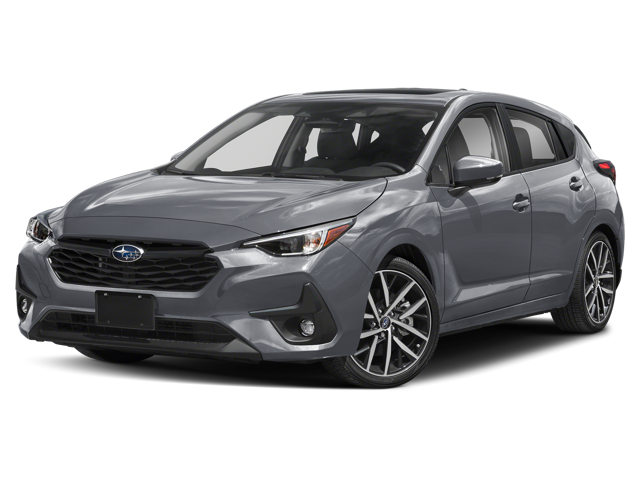
Subaru Crosstrek Wilderness, viewed from a side three-quarter angle.

How to Trade In a Car: A Simple Step-by-Step Guide

Get clear, practical tips on how to trade in a car, from preparing your vehicle to negotiating the best deal and finalizing your paperwork with confidence. Walking into a dealership to trade in your car can feel like a high-stakes test you didn't study for. It’s easy to feel overwhelmed by the process and unsure if you’re getting a fair deal. This guide is your cheat sheet. We’re going to demystify the entire experience so you can walk in with confidence. Knowing how to trade in a car is less about being a tough negotiator and more about being prepared. By understanding your car's value, getting it ready for appraisal, and knowing the right questions to ask, you can take control of the conversation and drive away feeling great about your decision. Key Takeaways Get Multiple Offers Before You Shop: Use online tools and visit different dealerships to get several trade-in appraisals. Having competing offers in hand is the best way to ensure you get a fair price for your car. Treat It as Two Separate Deals: Negotiate the price of the new car before you even mention your trade-in. This strategy keeps the numbers clear and prevents a salesperson from hiding a low trade-in value within a confusing monthly payment. Know Where Your Loan Stands: Figure out if you have positive or negative equity before you trade in. If you owe more than the car is worth, that debt gets added to your new loan, which means you'll pay more in the long run. How Does a Car Trade-In Work? Trading in your car sounds simple enough—you give the dealership your old car and get a credit toward a new one. And for the most part, it is! But understanding the moving parts of the process helps you stay in control and get the best possible deal. Think of it as a transaction within a transaction: the dealership is buying your car, and you're buying one of theirs. Let's walk through what you can expect, how long it takes, and how it stacks up against selling your car on your own. What to Expect During the Process The trade-in process starts before you even set foot in the dealership. Your first move is to figure out what your car is actually worth. Using an online tool to get a trade-in estimate gives you a solid baseline and a powerful negotiating tool. Next, gather all your important documents: the car’s title, registration, any loan information, and maintenance records if you have them. Having everything ready shows the dealer you’re serious and organized. Once at the dealership, they will inspect your car and make you an offer. This is where your research pays off, allowing you to confidently discuss the price. How Long Does a Trade-In Take? One of the biggest perks of trading in your car is the speed. Unlike selling privately, which can take weeks of advertising and meeting potential buyers, a trade-in can usually be completed in just a few hours. You can drive to the dealership in your old car and drive home in your new one on the same day. The dealership handles all the title transfers and paperwork on the spot, saving you a trip to the DMV and a lot of administrative headaches. This convenience is a major reason why so many people choose to trade in their vehicles. Trading In vs. Selling Privately Deciding whether to trade in your car or sell it yourself comes down to what you value more: convenience or cash. Trading in is the path of least resistance. It’s fast, secure, and the dealer manages all the paperwork. Plus, in most states, you only pay sales tax on the difference between your trade-in value and the new car’s price, which can lead to significant tax savings. On the flip side, selling privately will almost always get you more money. However, it requires more effort—you’ll need to list the car, field calls from strangers, and handle the final transaction yourself. It’s a classic trade-off between time and money. How to Determine Your Car's Trade-In Value Walking into a dealership without knowing what your car is worth is like going into a negotiation blindfolded. Taking the time to research your car’s value is the single most important step you can take to ensure you get a fair deal. This knowledge is your best tool for negotiating confidently and making sure you don’t leave money on the table. Think of it as doing your homework—a little prep work now can save you hundreds, or even thousands, of dollars later. Use Online Valuation Tools Your first stop should be an online valuation tool. Websites like Kelley Blue Book and Edmunds provide instant estimates based on data from millions of vehicle sales. To get started, you’ll need your car’s basic information: year, make, model, trim, and current mileage. Be honest about its condition—are there dents, scratches, or stains? These tools will give you a range of values, including what you might expect from a dealer trade-in versus a private sale. This number isn’t a guaranteed offer, but it gives you a solid, evidence-based starting point for your conversations with dealers. Key Factors That Affect Your Car's Value The estimate you get online is based on several key factors that dealers use to appraise a vehicle. Understanding them will help you see your car from a buyer's perspective. The most significant factors include your car's age, mileage, and overall condition—both inside and out. A detailed service history and a clean accident report also add significant value. Beyond the basics, things like your car's features (think sunroof or an upgraded sound system), color, and even the current market demand for that specific model in your area play a role. Why You Should Get Multiple Appraisals An online estimate is a great first step, but a real offer is what truly matters. Don’t rely on a single dealership to tell you what your car is worth. Before you even start shopping for a new car, get a few different trade-in offers. You can get instant online offers from companies like Carvana or take your car to a local CarMax for a free, in-person appraisal. Having multiple offers in hand gives you powerful leverage. When a dealer knows you have other options, they’re more likely to give you a competitive price. This simple step turns your car's value from a guess into a fact. Get Your Car Ready for Trade-In Putting in a little effort before you head to the dealership can make a big difference in your trade-in offer. Think of it like staging a house before you sell it—you want to present your car in the best possible light. A well-prepared car signals to the dealer that it’s been cared for, which can directly translate to a better value. It also streamlines the entire process, getting you into your new car faster. Taking these simple steps shows you’re an organized seller and sets a positive tone for the negotiation. Gather Your Essential Paperwork Walking into a dealership with your documents in order is a power move. It shows you’re prepared and helps the process move smoothly. Before you go, gather your car’s title, registration, and any loan information if you have a balance. It’s also smart to bring maintenance records to prove you’ve kept up with services. Don’t forget your driver’s license and all sets of keys for the car. Having everything ready can help you secure a better offer and avoid last-minute scrambling. Clean Your Car for a Better Offer First impressions count, and a clean car can significantly impact its perceived value. A thorough cleaning, inside and out, suggests the vehicle has been well-maintained. Start by washing the exterior. Inside, vacuum the carpets, wipe down all surfaces, and clear out personal items from the glove box and trunk. You don’t need to pay for a professional detail, but spending an hour cleaning it yourself can be one of the easiest ways to improve your trade-in appraisal. A spotless car simply looks like it’s worth more. Decide Which Repairs to Make (and Which to Skip) It can be tempting to fix every little scratch, but you need to be strategic. Major repairs rarely give you a dollar-for-dollar return, as dealers can often fix them for less. Instead, focus on small, inexpensive fixes with a big visual impact, like touching up paint or replacing a burnt-out headlight. Be honest with the dealer about any significant issues or accidents; transparency builds trust. The key is to weigh the cost of repairs against the potential increase in your car’s value. Trading In a Car with a Loan It’s completely normal to trade in a car that isn’t fully paid off. In fact, it’s one of the most common scenarios dealerships handle every day. The process is straightforward, but it helps to understand how your existing loan affects the deal. The key is knowing whether you have positive or negative equity in your car, as this will determine how the finances shake out when you sign the paperwork for your new vehicle. Knowing where you stand financially gives you the power to make a smart decision. What Is Negative Equity? You might hear the term "negative equity" or being "upside down" on your loan. It simply means you owe more on your car loan than the car is currently worth. For example, if you still owe $15,000 but your car’s trade-in value is only $13,000, you have $2,000 in negative equity. This situation can make a trade-in a bit more complex because that $2,000 debt doesn't just disappear. It’s a common issue, especially if you financed a new car with a small down payment or have a long-term loan, but it’s important to know how it will impact your next purchase. How the Loan Payoff Process Works When you trade in a car with an outstanding loan, the dealership manages the payoff for you. You’ll need to provide them with your lender’s information and account number. They’ll then get a payoff quote from your lender to determine the exact amount you still owe. Once the trade is finalized, they apply your car’s trade-in value directly to that loan balance. You don’t have to worry about sending the final payment yourself; it’s all handled as part of the transaction for your new car. This simplifies the process, letting you focus on the new vehicle while the dealership takes care of the old loan’s paperwork. How Debt Can Roll Into Your New Loan Here’s where your equity comes into play. If your car is worth more than you owe (positive equity), that extra money becomes a credit toward your new car, just like a down payment. For instance, if your trade-in is worth $10,000 and you owe $8,000, you have $2,000 to put toward your next vehicle. However, if you have negative equity, the amount you’re "upside down" gets added to your new car loan. Using our earlier example, that $2,000 in negative equity would be rolled into your new financing, increasing your total loan amount and your monthly payments. How to Negotiate the Best Trade-In Value This is where your preparation pays off. Walking into a dealership ready to negotiate can feel daunting, but it’s a standard part of the car-buying process. The key is to stay focused on getting a fair price for your trade-in and a good deal on your new car. With the right information and a clear strategy, you can confidently manage the conversation and walk away feeling great about the deal. It’s not about being confrontational; it’s about being an informed advocate for yourself. Negotiate the Trade-In and New Car Price Separately This is the most important rule of the game. Dealers often blend the two transactions into one monthly payment, which can obscure the real numbers. To avoid this, make it clear you want to agree on the price of the new car first, without mentioning your trade-in. Once you have a firm price for the new vehicle, introduce your trade-in and negotiate its value as a separate deal. This approach helps you see the true value of each transaction and prevents the dealer from moving numbers around to make the deal look better than it is. Use Smart, Research-Backed Strategies Confidence in negotiation comes from preparation. Before you step into the dealership, you should have a solid idea of what your car is worth. Use online tools like Kelley Blue Book or Edmunds to get a trade-in value range. Print your findings and bring them with you. When you start the negotiation, you can present your offer based on this research. Instead of asking, "What will you give me for my car?" you can say, "Based on my research, similar cars are trading for around $X." This shifts the dynamic and shows you’ve done your homework. Watch Out for Common Dealer Tactics Even when you negotiate separately, a salesperson might try to complicate things. A common tactic is offering a great price on your trade-in, only to inflate the new car's price with extra fees. To counter this, always focus on the "out-the-door" price of the new vehicle—the total cost including all taxes and fees. Asking for this number makes it difficult to hide costs. Also, be wary if you have negative equity. While you can roll this debt into your new loan, it increases your monthly payments and the total amount you pay over time. Finalizing the Deal You’ve done the research, prepped your car, and negotiated a great price. Now you’re at the finish line, and it’s time to sign the papers. This is the most critical part of the process, where all your hard work pays off. It’s easy to get excited and rush through the paperwork, but paying close attention to the details here ensures the deal you made is the deal you get. Let’s walk through the final steps to make sure everything is in order before you hand over the keys. Review the Trade-In Agreement This is your last chance to catch any errors. Before you sign anything, take a deep breath and read every document the finance manager puts in front of you. The numbers on the page should match the terms you agreed to, including the price of the new car, the value of your trade-in, and any additional fees. If you see a number you don’t recognize or a term you don’t understand, ask for clarification. It’s much easier to fix a mistake before the ink is dry. A good dealer will be happy to walk you through the car purchase agreement and answer your questions. Understand the Tax Benefits and Final Paperwork One of the biggest perks of trading in your car is the potential tax savings. In most states, you only pay sales tax on the difference between the price of your new car and the value of your trade-in. For example, if you buy a $35,000 car and your trade-in is worth $15,000, you’ll only be taxed on $20,000. This can save you hundreds, or even thousands, of dollars. You’ll also need to sign over the title of your old car to the dealership. Make sure all the final paperwork accurately reflects the sales tax credit and that the dealer has a clear plan to pay off your old loan, if you have one. When Is the Best Time to Trade In? Timing can play a role in how much you get for your trade-in. While you can trade in a car any time, some periods are better than others. Spring and early summer are often great times to sell a car because more people are shopping, partly thanks to tax refunds. Dealerships need quality used cars for their lots, which can work in your favor. You might also find more negotiating power at the end of the month, quarter, or year, as dealers are trying to hit sales goals. Knowing the best time to buy a car can often align with the best time for a trade-in, helping you maximize value on both ends of the deal. Avoid These Common (and Costly) Trade-In Mistakes Trading in your car should make your life easier, but a few simple missteps can turn a convenient process into a costly one. It’s easy to get swept up in the excitement of buying a new car and lose sight of the other major transaction happening: selling your old one. By being aware of the most common pitfalls, you can protect your wallet and feel confident you’re getting a fair deal. Let’s walk through the mistakes to avoid, from showing up unprepared to not knowing when it’s time to walk out the door. Forgetting to Prepare Your Car Walking onto a dealership lot without preparing your car is a guaranteed way to leave money on the table. The first impression your car makes matters, and a little effort can significantly impact the offer you receive. Before you even think about getting an appraisal, take the time to get your car ready. This means gathering all your essential paperwork, like the title and service records, and giving your car a thorough cleaning inside and out. You don’t need a professional detail, but clearing out personal items, vacuuming the floors, and running it through a car wash shows the dealer you’ve cared for the vehicle. This small investment of time signals that your car is well-maintained, which can lead to a better offer. Making Critical Negotiation Errors Negotiating can feel intimidating, but the biggest mistake is blending the trade-in value with the new car price. Dealers are masters at moving numbers around, and they often use this confusion to their advantage. A great strategy is to negotiate these two things separately. First, settle on a price for your trade-in. Then, begin the discussion about the price of the car you want to buy. While you should discuss them as separate transactions, always keep your eye on the final "out-the-door" price. This total cost is what truly matters. Don’t let a high trade-in value distract you from an inflated price on the new car, or vice-versa. Not Knowing When to Walk Away Your strongest negotiation tool is your willingness to walk away. If a dealer’s offer is significantly lower than the research and multiple appraisals you’ve gathered, don’t feel pressured to accept it. This is especially important if you still owe money on your car. Trading in a car with a loan is common, but if you have negative equity (meaning you owe more than the car is worth), that debt will be rolled into your new loan. A lowball trade-in offer will only make that problem worse. Be polite but firm, and if the numbers don’t make sense for your budget, thank them for their time and leave. There are always other cars and other dealerships. Frequently Asked Questions What should I do if the dealer's offer is much lower than the online estimates I received? It’s very common for a dealership's offer to differ from an online estimate, so don't be discouraged. Those online tools are a great starting point, but a real-world appraisal is what counts. This is why getting multiple offers is so important. Before you even start shopping, take your car to another dealer or a used car retailer like CarMax to get a firm, written offer. This gives you a powerful piece of leverage. You can then confidently tell the first dealer that you have a higher offer elsewhere, and if they can't match it, you're prepared to sell your car separately. Is it worth fixing minor issues like scratches or a cracked windshield before I trade in my car? You should always weigh the cost of a repair against the potential value it adds. As a general rule, skip any major mechanical repairs, as the dealership can almost always fix them for far less than you can. For small cosmetic issues, a deep clean and a little touch-up paint can go a long way. For something more noticeable like a cracked windshield, it's often best to just be transparent about it. The dealer will likely deduct its repair cost from your offer, but this is usually less than what you would pay out of pocket to fix it yourself. Do I have to trade my car in at the same dealership where I'm buying my new one? Not at all! You can absolutely sell your car to one dealership and buy from another. In fact, treating the sale of your old car and the purchase of your new one as two separate transactions is one of the smartest moves you can make. Getting a firm cash offer from a place that only buys used cars gives you a solid baseline. This prevents a dealership from giving you a high trade-in value just to inflate the price of the new car you're buying from them. How does the sales tax savings actually work with a trade-in? The sales tax benefit is one of the biggest financial perks of trading in your car. In most states, you only have to pay sales tax on the difference between the price of the new car and the value of your trade-in. For example, if you buy a new car for $35,000 and your trade-in is valued at $15,000, you only pay sales tax on the remaining $20,000. This can easily save you hundreds or even thousands of dollars compared to selling your car privately and then buying a new one. What happens if I have negative equity? Am I stuck with my car forever? You are definitely not stuck! Having negative equity, where you owe more on your loan than the car is worth, is a very common situation. The standard solution is to roll that remaining debt into your new car loan. While this is convenient, it's important to understand that it will increase your new loan amount and your monthly payment. If you have a lot of negative equity, it might be wise to wait a bit longer and pay down your current loan before trading up.


How to Find the Value of My Trade In Car

How to Find the Value of My Trade In Car

Get practical steps to find the value of my trade in car, from online estimates to dealership appraisals, so you can negotiate with confidence. The process of trading in a car can feel like a mystery box. You hand over your keys and wait for a number, hoping it’s a good one. But you have more control over that final offer than you might think. By treating your trade-in as a business transaction where you are the seller, you can take charge. This means doing your homework, preparing your car to make a great first impression, and walking in with a clear understanding of the value of my trade in car. This guide provides the actionable steps you need to get multiple quotes and negotiate effectively, ensuring you get the best possible price for your vehicle. Key Takeaways Establish your car's value beforehand: Use multiple online valuation tools to understand what your car is worth. This research gives you a realistic price range and serves as your foundation for a fair negotiation. Present your car as a solid investment: A thorough cleaning and a complete folder of maintenance records demonstrate responsible ownership. This proof of care gives the dealership confidence and can directly result in a stronger offer. Treat the trade-in as a separate transaction: Always agree on a firm price for your trade-in before you begin discussing the new car you want to buy. This strategy gives you clarity and control over the deal. What Determines Your Car's Trade-In Value? When you're ready to trade in your car, the big question is always, "What's it actually worth?" The answer isn't a single number pulled out of thin air. A dealership appraiser looks at several key factors to determine your car's value. Understanding these elements helps you set realistic expectations and gives you the knowledge you need to get a fair offer. Think of it like a report card for your car, where every category contributes to the final grade. Let's walk through exactly what they're looking for. Your Car's Make and Model Some cars are simply in higher demand than others. The make and model of your vehicle are a huge piece of the value puzzle because they speak to its reputation for reliability, fuel efficiency, and overall popularity. A dealership knows which cars sell quickly on their lot. Local market trends also play a big part. For instance, an all-wheel-drive SUV will likely fetch a better price in a state with heavy winters than in a sunny, southern climate. The dealership is always thinking about its next buyer, so a car that's a popular used model in your area will almost always get a stronger offer. Its Age and Mileage It’s no secret that age and mileage are two of the most significant factors in a car's valuation. Generally, the newer the car and the fewer miles on the odometer, the higher its trade-in value. Mileage is often used as a quick reference for a car's remaining lifespan and potential for near-future repairs. Most people drive between 12,000 and 15,000 miles per year, so if your mileage is well below that average, it’s a great selling point. However, a high-mileage car with an impeccable service history can sometimes be more appealing than a low-mileage car that has been neglected, so these two factors are always considered together. The Overall Condition A dealership appraiser will inspect your car from top to bottom, and its physical condition plays a major role in the final offer. They’ll walk around the exterior looking for dents, deep scratches, rust, and the condition of the tires. On the inside, they’ll check for stains on the seats, tears in the upholstery, and any lingering smells like smoke. They'll also test the electronics, from the radio to the power windows. A car that looks and feels well-cared-for gives the impression that it has also been mechanically maintained. A thorough car detailing can make a surprisingly big difference. Your Maintenance History Proof of care is powerful. A complete and organized folder of maintenance records can significantly improve your trade-in offer. These documents show the dealership that you’ve been a responsible owner, keeping up with routine tasks like oil changes, tire rotations, and other scheduled services. This history gives them confidence in the car's mechanical soundness, reducing the risk they take on by buying it. Before you head to the dealership, gather all your service receipts. This simple step demonstrates the car's reliability and shows that you’ve invested in its upkeep, making it a more attractive asset for them to resell. Any Accident Reports A car's history is an open book, thanks to vehicle history reports. The dealership will almost certainly run a report from a service like CarFax or AutoCheck to see if the car has been in any accidents. A clean report is a major plus. If your car has been in a collision, its value will likely decrease, even if the repairs were done perfectly. Structural damage can have a lasting impact on a car's integrity and safety. It’s always best to be transparent about any accident history. Being upfront builds trust and is much better than having the appraiser discover it on their own when they check the vehicle's history, which can make the rest of the negotiation feel tense. How to Get an Accurate Trade-In Estimate Getting a clear idea of your car's worth is the first step toward a successful trade-in. While you won’t know the final number until a dealer inspects your car, you can get a very solid estimate beforehand. This puts you in a much stronger position when you start negotiating. Your goal is to walk into the dealership armed with data and realistic expectations. By doing a little homework, you can feel confident that you’re getting a fair deal for your vehicle. Use Multiple Online Valuation Tools Start by gathering estimates from a few different online sources. Relying on just one tool can give you a skewed perspective, so it’s best to get a second or third opinion. Websites like Kelley Blue Book (KBB) are a great starting point because they provide several different values, including what you can expect for a trade-in versus a private sale. Another excellent resource is CARFAX, which uses your vehicle’s specific history to generate its estimate. Using a few of these free tools will give you a well-rounded picture of your car’s potential value based on national and regional data. Interpret the Valuation Range After you get your estimates, you’ll notice they are usually presented as a range, not a single number. Think of this as a ballpark figure. The Kelley Blue Book Trade-In Range, for example, shows the high and low ends of what dealers in your area are likely to offer for a car like yours. Where your car falls in that range depends on its specific condition, mileage, and features. This range is your guide for setting realistic expectations. It helps you understand what a fair offer looks like before you even start talking to a salesperson. Adjust for Your Car's Actual Condition Now it’s time for an honest look at your car. The estimates from online tools are based on the condition you report, so accuracy is key. A dealer will do a thorough inspection, and the final offer will reflect your car’s true physical and mechanical state. Walk around your car and note any dings, scratches, or interior wear and tear. Also, consider its mechanical health. If it needs new tires or has a check engine light on, a dealer will factor those repair costs into their offer, which will lower the value. Research Local Market Demand A car’s value can change quite a bit depending on where you live. Local market demand plays a huge role in what a dealer is willing to pay. For example, a convertible might fetch a higher price in a sunny state than in a colder one, while a four-wheel-drive SUV might be more popular in an area with heavy snowfall. Take a few minutes to browse local online listings for cars similar to yours. Seeing what they’re selling for in your specific area gives you a real-world sense of its current market value and helps you understand if local trends are working in your favor. What Documents Do You Need for a Trade-In? Walking into a dealership to trade in your car can feel intimidating, but being prepared is your best strategy. Having all your paperwork in order before you go not only makes the process faster but also shows the dealer you’re organized and serious. This simple step can save you a lot of time and potential headaches, letting you focus on getting a great deal. Think of it as setting the stage for a smooth and successful transaction. When you have everything ready, you’re in a much stronger position to negotiate and finalize the trade-in with confidence. The Essential Paperwork Checklist To make sure your trade-in goes off without a hitch, it’s smart to gather all your documents ahead of time. Having this paperwork on hand will streamline the entire process. Before you head to the dealership, double-check that you have these key items: Your car’s title Current vehicle registration Loan payoff information (if applicable) Service and maintenance records A valid driver’s license Keeping these documents together in a folder will make it easy to present them when needed. This level of organization signals to the dealership that you’re a prepared and serious seller, which can only help you during the appraisal and negotiation. Loan Payoff Information If you’re still making payments on your car, you’ll need to provide the loan payoff information. This is the total amount required to pay off your loan completely and own the car outright. It’s important to note that the payoff amount is often slightly different from the remaining balance you see on your monthly statement because it includes any accrued interest up to the day the loan is paid. The easiest way to get this figure is to call your lender and ask for a formal payoff quote, which is typically valid for 10 to 20 days. Having this document ready helps the dealership quickly calculate your car’s equity and process the transaction. Service and Maintenance Records A detailed history of your car’s service and maintenance can significantly improve its trade-in value. These records act as proof that you’ve taken good care of your vehicle, which reduces the risk for the dealership and can justify a higher offer. Gather all the receipts and invoices you have for routine work like oil changes, tire rotations, and brake service, as well as any major repairs. If you performed some of the basic car maintenance yourself, a neatly kept logbook detailing the dates and mileage for each service is also valuable. This documentation builds trust and shows that your car is a solid investment for its next owner. Your Car's Title and Registration The car title and registration are two of the most critical documents for a trade-in. The title is the legal document that proves you are the vehicle's owner. Without it, the dealership cannot legally purchase your car. If you’ve paid off your loan, you should have the physical title. If you can’t find it, you’ll need to request a duplicate from your state’s DMV. You can usually find instructions on how to replace a lost title on their website. The vehicle registration shows that your car is legally registered with the state. Make sure it’s current and in the vehicle. You’ll also need your driver’s license to verify your identity. Trade-In vs. Private Sale: Which Is Right for You? Deciding how to part with your old car is just as important as picking out your new one. The two main paths are trading it in at a dealership or selling it to a private buyer. Each option has its own set of benefits and drawbacks, and the right choice really comes down to what you value most: convenience or cash. Let's walk through what you can expect from each process so you can make a decision that feels right for you and your wallet. The Pros and Cons of Trading In Trading in your car is the path of least resistance. You drive your old car to the dealership and leave in a new one, with the value of your trade-in applied directly to the purchase. This is a smart and convenient way to lower the cost of your next vehicle. The best part? The dealer handles all the paperwork, from title transfers to loan payoffs. The trade-off for this simplicity is the price. You will almost always get a lower offer from a dealership than you would from a private buyer, as the dealer needs to account for reconditioning costs and their own profit margin. The Pros and Cons of Selling Privately If your top priority is getting the most money for your car, selling it yourself is usually the way to go. You get to set the asking price and negotiate directly with buyers, which often results in a higher final sale price compared to a trade-in offer. However, this route requires a significant investment of your time and effort. You'll be responsible for everything: cleaning and photographing the car, creating listings, responding to inquiries, scheduling test drives with strangers, and handling all the necessary DMV paperwork. It's a hands-on process that demands patience and a bit of sales savvy. Consider the Risks and Time Commitment When you trade in your car, the biggest risk is not getting what it's worth. It's easy to focus on the monthly payment for your new car and lose sight of how a low trade-in value affects the total price you pay. Small mistakes during the process can lead to a lower offer or unnecessary hassle. Selling privately comes with its own set of challenges. You’ll need to screen potential buyers to avoid scams, deal with lowball offers, and spend time on test drives that may not lead to a sale. The entire process can take weeks or even months, depending on your car and the local market. How to Decide Which Path to Take Your decision should balance your car's value against your available time and comfort level with the sales process. Start by getting an online valuation to understand the potential difference between the trade-in and private sale prices. If the gap is small, the convenience of a trade-in might be worth it. Your car's condition also plays a huge role; a well-maintained car is much easier to sell privately. If you're leaning toward a trade-in but want the best price, get quotes from a few different dealerships before you commit. This gives you a solid baseline and some negotiating power. How to Maximize Your Car's Trade-In Value Getting the best possible price for your trade-in isn't about luck; it's about preparation. A little effort before you head to the dealership can make a significant difference in the offer you receive. By focusing on presentation, smart repairs, timing, and research, you can put yourself in a much stronger position. These simple steps will help you show the dealership that your car is a valuable asset worth a top-dollar offer. Clean and Detail Your Car First impressions matter, and that’s especially true for your car. A quick exterior wash, interior vacuum, and wipe-down can go a long way in presenting your vehicle in the best light. A clean car signals to the appraiser that you've taken good care of it. Before you go to the dealership, remove all personal items, clean the windows inside and out, and vacuum the carpets and seats. You don't need to pay for a professional detail, but spending an hour on a thorough DIY car cleaning can directly influence the appraiser's perception and potentially improve your trade-in offer. Decide Which Repairs Are Worth It It can be tempting to fix every little issue before a trade-in, but not all repairs are created equal. Dealerships can often perform repairs for less than you can, so sinking a lot of money into your car isn't always a good investment. If your vehicle needs major service or expensive repairs, the dealership will subtract that cost from its expected resale price, which directly lowers your trade-in offer. Focus on small, inexpensive fixes like replacing wiper blades, touching up paint chips, or ensuring all lights work. Avoid major mechanical or cosmetic work, as you're unlikely to recoup the cost. The goal is to address minor issues without overspending on repairs that don't add value. Time Your Trade-In for the Best Offer The value of your car can change with the seasons. Dealerships see more foot traffic at certain times of the year, and higher demand can mean better offers for your trade-in. For example, tax refund season, which typically runs from March through April, consistently delivers strong market conditions for trade-ins as more people are looking to buy. Similarly, SUVs and all-wheel-drive vehicles might fetch a better price in the fall and winter, while convertibles are more desirable in the spring. If you have some flexibility, planning your trade-in around these peak times can help you get a more competitive offer. Get Quotes from Multiple Dealerships Never accept the first offer you receive. Just as you'd shop around for a new car, you should shop your trade-in around to different dealerships. One dealer might have a surplus of your car's model, while another might be actively looking for one to sell. This difference in inventory needs can lead to very different offers. Valuing a vehicle below the fair market rate can cause a dealership to lose trade-ins to competitors that offer a better price. Use your online valuation estimates as a starting point, then visit at least three different dealerships to see who gives you the best deal. This simple step ensures you’re getting a fair price based on current market conditions. How to Negotiate the Best Trade-In Deal Walking into a dealership to negotiate can feel intimidating, but it doesn’t have to be. The key to a successful negotiation isn’t about being aggressive; it’s about being prepared. When you know your car’s value and have a clear strategy, you hold the power. Think of it as a business transaction where you are the seller. With a little bit of prep work, you can confidently secure a fair price for your trade-in and drive away in your new car feeling great about the entire process. Let’s walk through the steps to get you the best possible deal. Negotiate the Trade-In and New Car Purchase Separately One of the most effective strategies you can use is to treat the trade-in and the new car purchase as two separate transactions. Dealerships often prefer to bundle them together, focusing on a single monthly payment. This can make it easy to hide a low offer for your trade-in within the larger deal. To prevent this, make your intentions clear from the start. Let the salesperson know you want to agree on a firm price for your trade-in before you discuss the price of the new vehicle. This approach simplifies the process and ensures you know exactly what you’re getting for your car. Use Online Offers as Leverage Knowledge is your best friend during a negotiation. Before you even set foot in a dealership, you should have a solid idea of your car's worth. Use online tools to find out what your used car is worth and get instant cash offers from companies like CarMax or Carvana. These online offers are more than just estimates; they are real, actionable numbers. Print them out and bring them with you. When the dealership makes an offer, you can present your other offers as leverage. This shows you’ve done your homework and gives you a powerful starting point for securing a better price. Highlight Your Car's Best Features When you’re trading in your car, you need to be its biggest advocate. Don’t expect the dealer to notice every great thing about it. You have to be the salesperson for your own vehicle. Did you recently buy new tires? Mention it. Does it have a premium sound system, a rare color, or a perfect maintenance history? Point these things out. Have your service records organized and ready to show as proof of how well you’ve cared for the car. Highlighting these positive features helps justify a higher value and shows the dealer that you know exactly what your car is worth. Avoid These Common Negotiation Mistakes Knowing what not to do is just as important as knowing what to do. One of the biggest mistakes is failing to research your car’s market value before visiting the dealership. Another common pitfall is complaining about your current car. Telling the salesperson you can’t stand the poor gas mileage or lack of tech gives them reasons to offer you less. Finally, don’t be afraid to walk away. If the offer isn’t fair and the dealer won’t budge, you can always sell your car elsewhere. Remembering these simple rules will help you avoid common car buying mistakes and stay in control of the negotiation. Frequently Asked Questions What if I still owe money on my car? Can I still trade it in? Yes, you absolutely can. The dealership handles this all the time. They will pay off your existing loan for you. If your car's trade-in value is more than what you owe, that extra amount (positive equity) is applied as a down payment for your new vehicle. If you owe more than the car is worth, you'll have to cover that difference, which can sometimes be rolled into your new car loan. Should I fix small dents or scratches before I go to the dealership? It's usually best to focus on small, inexpensive improvements. A thorough cleaning will give you the most return for your effort because it shows the car has been well-cared-for. For minor cosmetic issues like small scratches or dings, it's often better to leave them alone. Dealerships can typically fix these things for less than you can, so you likely won't get back the money you spend on professional cosmetic repairs. The dealer's offer is much lower than the online estimates I got. What should I do? This is a common situation, and it's exactly why you did your homework. Use your online estimates and any offers from other dealerships as a starting point for negotiation. Calmly show them your research and explain why you believe your car is worth more, highlighting its great condition and service history. If they won't offer a fair price, you always have the option to walk away and sell your car to another dealer or a private buyer. How much less should I expect from a trade-in compared to selling it myself? There isn't a fixed percentage, but you should generally expect a trade-in offer to be lower than what you could get from a private sale. The dealership has to account for the costs of reconditioning the car, marketing it, and making a profit. You are essentially paying for the convenience and speed of the transaction. The difference in price is the cost of avoiding the time and hassle of selling the car yourself. Do I have to trade my car in at the same place I'm buying my next one? Not at all. You can sell your car to any dealership, even if you aren't buying a car from them. In fact, getting offers from multiple places, like CarMax or other local dealers, is one of the best ways to make sure you're getting a competitive price. You can then take the best offer or use it as leverage at the dealership where you do plan to buy.

Best Place to Sell a Car: Max Profit or Quick Cash?

Best Place to Sell a Car: Max Profit or Quick Cash?

Find the best place to sell a car for max profit or quick cash. Compare private sales and instant offers to choose the right option for your needs. The right way to sell your car depends entirely on the car itself. A 15-year-old daily driver with high mileage requires a completely different sales strategy than a rare classic or a luxury SUV. Using a generic platform for a special vehicle means you’ll likely leave money on the table, while trying to auction a simple commuter car might be a waste of time. The secret to a successful sale is matching your vehicle to the right audience. Whether you have a pristine enthusiast car, a reliable family vehicle, or even a non-running project, there’s a perfect buyer out there. This guide will help you identify the best place to sell a car based on its unique type and condition. Key Takeaways Decide What Matters Most: The right way to sell your car comes down to a simple choice between time and money. Selling privately usually gets you the highest price but requires more effort, while an instant offer provides speed and convenience for a slightly lower payout. A Little Prep Work Goes a Long Way: You can significantly increase your final sale price with a few simple steps. A thoroughly cleaned car, great photos from every angle, and an honest, detailed listing build trust with buyers and make your car stand out from the competition. Sell with Confidence and Safety: Before you do anything, use online tools to find your car's true market value so you can price it correctly and negotiate effectively. When selling privately, always meet buyers in a safe, public location and insist on a secure payment method to protect yourself. Private Sale vs. Instant Offer: Which Is Right for You? When you decide to sell your car, you’re standing at a fork in the road. One path leads to the highest possible price, but it requires more of your time and effort. The other path is quick and straightforward, but you’ll likely leave some money on the table. This is the core choice between a private sale and an instant offer. Deciding which route is best for you comes down to one simple question: What do you value more right now, your time or your money? There’s no wrong answer, but understanding the trade-offs will help you choose your path with confidence. Let’s break down what each option really means for you. The Case for a Private Sale: Maximizing Your Profit A private sale is exactly what it sounds like: you sell your car directly to another person. This method almost always gets you the most money. You get to set the asking price, negotiate with buyers, and keep all the profit. You’re in complete control of the entire process, from taking photos and writing the listing to scheduling test drives and handling the final paperwork. The catch? That control comes with responsibility. Selling privately is a hands-on job that can take weeks or even months. You’ll need to advertise your car on various sites to sell your car online, respond to inquiries, and meet with potential buyers. It requires patience and a willingness to manage the sale yourself. If your main goal is to get top dollar for your car and you don’t mind putting in the work, a private sale is your best bet. The Case for an Instant Offer: Speed and Simplicity If the thought of managing a private sale sounds exhausting, an instant offer is your fast pass to a finished deal. Companies like CarMax, Carvana, and even local dealerships will buy your car directly from you. The process is incredibly simple: you submit your car’s information online, receive an offer (often in minutes), and if you accept, they handle the rest. They take care of the paperwork and pay you quickly, sometimes on the same day. This convenience comes at a price. The offer you receive will be lower than what you could get in a private sale. Essentially, you are paying for the company to take on the work and risk of reselling the car. For many people, this trade-off is well worth it. If you need cash quickly, are moving, or simply want to avoid the hassle of selling, an instant cash offer provides a secure and stress-free solution. Best Places to Sell Your Car for the Most Money If your top priority is getting the highest possible price for your car, selling it privately is almost always the way to go. This path connects you directly with the next owner, cutting out the dealership or third-party buyer who needs to make a profit. While it requires a bit more hands-on effort, like taking photos and meeting potential buyers, the extra cash in your pocket can make it well worth your time. The good news is that you don’t have to put a "For Sale" sign in your window and hope for the best. A number of online marketplaces are designed to connect private sellers with serious buyers. These platforms give you a massive audience and provide tools to help you create a compelling listing, price your car competitively, and manage inquiries. Each site has its own strengths, so let's look at the top contenders to find the best fit for you and your vehicle. Autotrader: Connect with Serious Buyers Think of Autotrader as a classic, trusted name in the car-selling world. It’s one of the most well-known platforms, which means your listing gets in front of a huge audience of people who are actively shopping for a car. While there's a fee to create your ad, it's an investment in reaching qualified buyers. Autotrader makes it easy to create a listing with up to 30 photos, and it includes a free vehicle history report for potential buyers, which helps build trust right from the start. If you’re looking for a reputable marketplace with a wide reach, Autotrader is a solid choice. Cars.com: A Trusted Marketplace for High Traffic If you want to cast a wide net without paying a listing fee, Cars.com is an excellent option. It’s a high-traffic site that lets you list your car for free, which is a major plus. One of its best features is that your listing can also appear on its partner sites, like Autolist and PickupTrucks.com, expanding your audience without any extra work. While the platform also provides instant offers from dealerships, its private-party marketplace is robust and easy to use. The combination of a massive audience and a free listing makes it a go-to for many private sellers. CarGurus: Use Data to Price Your Car Smarter Feeling unsure about what to ask for your car? CarGurus is designed to help you price it perfectly. The platform uses data analysis to compare your car to similar vehicles sold recently, telling you if your price is great, fair, or overpriced. This insight helps you find that sweet spot where you’re getting top dollar without scaring away potential buyers. It’s free to list your car privately, and the site’s focus on pricing transparency attracts savvy shoppers. CarGurus gives you the confidence that you’re entering the market with a competitive, data-backed price. Facebook Marketplace: Sell Locally with No Fees For a simple, local, and completely free option, it’s hard to beat Facebook Marketplace. Since most people already have an account, creating a listing is incredibly fast and straightforward. You can easily share your ad in local buy-and-sell groups or even specialized car enthusiast groups to reach a more targeted audience. A unique benefit is the ability to get a glimpse of a potential buyer's profile, which can offer a little more peace of mind. If you prefer to sell your car locally and want to avoid fees altogether, this is the perfect place to start. Craigslist: The Go-To for a Quick, Local Sale Craigslist is the original online classifieds site, and it remains a popular platform for selling a car locally. It’s completely free to post your vehicle, and the process is incredibly simple and fast. You’ll primarily reach buyers in your immediate area, which can be great for a quick transaction without the hassle of long-distance inquiries. While it has a no-frills interface, its effectiveness lies in its simplicity and local focus. Just be sure to follow safety best practices when meeting buyers, and you’ll find Craigslist is still a powerful tool for a straightforward sale. Want a Quick Sale? The Best Instant Cash Offers If the thought of writing a classified ad, fielding calls from strangers, and scheduling test drives makes you tired, you’re not alone. Sometimes, the goal isn’t to squeeze every last penny out of your car; it’s to get a fair price quickly and move on with your life. This is where instant cash offer companies shine. These services are built for speed and convenience, taking the hassle out of selling your car. They are a fantastic option if you're short on time, moving, or simply want to avoid the complexities of a private transaction. The process is usually straightforward: you enter your car’s information online (VIN, mileage, condition) and receive an offer, often in minutes. If you accept, they’ll arrange to verify your car’s condition and cut you a check. While you might get less than you would in a private sale, you’re paying for a service that saves you time, effort, and stress. Think of it as paying a premium for a guaranteed, fast, and secure sale. You won't have to worry about lowball offers from strangers, no-shows for test drives, or scams. For many sellers, that peace of mind is worth more than the extra cash they might get from a private sale. Let’s look at some of the most popular options that can get you paid in just a few days. CarMax: The Original Hassle-Free Sale CarMax has been in the game for a long time, and they’ve perfected the simple, no-haggle car selling experience. They are a great starting point because their offers are often competitive and transparent. You can start the process online to get an initial quote, but you will need to bring your car to a physical CarMax location for a final appraisal. The good news is that their appraisals are quick, and the offer they give you is valid for seven days. This gives you a no-pressure window to shop around and see if you can get a better deal elsewhere. It’s a reliable, straightforward way to get a guaranteed offer without the back-and-forth of a private sale. Vroom: Sell Your Car Entirely Online If your idea of a perfect sale involves never leaving your couch, Vroom is for you. Their entire process is designed to be handled from your computer or phone. You submit your vehicle’s information online, and they’ll email you a guaranteed offer. If you accept, they will arrange to have your car picked up right from your driveway, free of charge. After a quick inspection to confirm the car’s condition, they’ll send your payment via direct deposit. Vroom’s model is built on pure convenience, making it one of the easiest ways to sell your car online and get paid without ever stepping foot in a dealership. Carvana: Get an Online Offer and Home Pickup Similar to Vroom, Carvana offers a fully online experience that lets you sell your car from home. You can get a firm offer on their website in just a few minutes by answering some questions about your car’s features and condition. If you like the offer, you can schedule a time for a Carvana representative to come to your home, inspect the vehicle, and hand you a check on the spot. They handle all the paperwork and will take the car away for free. Carvana’s process is incredibly efficient, removing all the traditional friction points of selling a car and making it a popular choice for a quick and easy sale. Local Dealerships: Weighing Trade-In vs. Cash Offers Don’t forget about the dealerships in your own neighborhood. You can sell your car to a dealer for cash, even if you aren’t buying a new one from them. The smartest way to approach this is to do your homework first. Get online offers from CarMax, Vroom, and Carvana, and then take your best offer to a local dealership. Ask them if they can beat it. Having a firm offer in hand gives you powerful leverage. Some platforms even let you get offers from multiple dealers at once. This strategy takes a little more effort, but it can sometimes result in a higher price while still being much faster than a private sale. What's the True Cost of Selling Your Car? The final sale price is exciting, but it doesn't tell the whole story. Selling a car comes with its own set of costs, both in terms of money and your time. Before you decide on the best path forward, it’s smart to get a clear picture of what you’ll actually spend to get your car sold. From platform fees that chip away at your profit to the hours you’ll invest in the process, understanding these hidden costs will help you calculate your real takeaway and choose the selling method that truly works for you. Watch Out for Platform Fees and Hidden Charges Listing your car online isn't always free. Many of the best sites to sell a car charge fees that can impact your bottom line. For example, Autotrader has a flat $49 listing fee, while eBay Motors charges can range from $19 to $79. It's also important to look at the buyer's side. A platform like Cars & Bids might be free for you as the seller, but the buyer pays a 4.5% commission. This could influence how much they're willing to bid. Always read the fine print before you commit to a platform so you aren't surprised by unexpected charges that reduce your final profit. Your Time vs. Your Money: What's the Trade-Off? Deciding how to sell your car often comes down to a simple question: what do you value more, your time or getting the highest possible price? Selling to a private party yourself almost always yields the most money. However, it also requires the most effort. You'll be responsible for listing the car, taking photos, answering questions, and meeting with potential buyers. On the other hand, services like Carvana and CarMax offer instant cash offers that make the process incredibly fast and simple. The trade-off is that their offers are typically lower than what you could get in a private sale. Figuring out where to sell your car means being honest about how much time and energy you're willing to invest. How Much Does It Cost to Prep for a Private Sale? If you decide to sell your car privately, a little upfront investment can make a big difference in the final offer you receive. Start with a thorough cleaning, inside and out. While you can do this yourself, paying for a professional detail can be a worthwhile expense, especially if you need to tackle tough stains or odors. You should also gather all your maintenance records to show buyers you’ve taken good care of the vehicle. This builds trust and helps justify your asking price. While these prep steps require some effort and potentially a small budget, they signal to buyers that your car is a quality purchase, often leading to a faster sale at a better price. How to Get the Best Price for Your Car Getting top dollar for your used car isn’t about luck; it’s about strategic effort. Think of it like staging a house before a sale. A clean, well-presented car with a smart price tag will always attract better offers. By focusing on a few key areas, you can significantly increase your car's appeal and your final profit. The process comes down to three main steps: making your car look its best, creating an ad that grabs attention, and setting a realistic price. Investing a weekend in prep can add hundreds, or even thousands, to your selling price. Let's walk through how to do it. Prep Your Car to Impress Buyers First impressions are everything, and a sparkling clean car signals it’s been well-cared for. Start with a thorough wash and wax, and don't forget the wheels and windows. Inside, vacuum every corner, wipe down all surfaces, and clear out personal items. For stubborn stains or smells, a professional detailer is a worthwhile investment. Also, take care of small, inexpensive fixes. Replacing a burnt-out bulb or using a headlight restoration kit can make a huge difference in how the car presents itself. A well-maintained car simply looks more valuable. Take Great Photos and Write a Killer Listing Your online ad is your car’s first introduction to buyers, so make it count. Take dozens of photos in good, even lighting from every angle: exterior, interior, dashboard, odometer, engine, and trunk. More photos build more trust. When writing your description, be clear, honest, and detailed. Include the year, make, model, mileage, and any special features. Mentioning the number of owners and your reason for selling adds a personal touch. Always use correct grammar and spelling to show you’re a credible seller. A thoughtful, well-written ad helps your car stand out. Price It Right: How to Time the Market Setting the right price is a balancing act. Too high, and you’ll scare away buyers; too low, and you’ll leave money on the table. First, research your car’s true market value. Use online tools like Kelley Blue Book to get an accurate estimate based on your car’s VIN, mileage, and condition. It’s also smart to get offers from a few instant buyers to establish a baseline price. This gives you a floor for negotiations. When you set your asking price, leave a little room for haggling, but be prepared to stand firm on your lowest acceptable offer. How to Sell Your Car Safely Selling your car privately often means more money in your pocket, but it also means you’re in charge of the entire process, including your safety. While the idea of meeting strangers and handling a large transaction can feel a little intimidating, a few simple precautions can make all the difference. Being prepared helps you stay in control and ensures the sale goes smoothly from the first message to the final handshake. It’s not about being paranoid; it’s about being smart and proactive. The key is to think through the three main parts of the sale: where you meet, how you get paid, and how you handle the paperwork. When you have a plan for each of these steps, you can confidently manage the sale and protect yourself from potential risks. A little bit of planning goes a long way in turning what could be a stressful experience into a successful and secure transaction. From choosing a safe meeting spot to verifying payment and finalizing the title transfer, every step matters. Let’s walk through how to handle each stage of the sale safely so you can focus on getting a great price for your car without any unnecessary worry. Meet Buyers Without the Risk Your personal safety is the top priority when meeting a potential buyer. Instead of having someone come to your home, always choose a neutral, public, and well-lit location. The parking lot of a local police station is an excellent option, as many departments designate these as "safe exchange zones." A busy shopping center or the parking lot of your bank are also good alternatives. Bring a friend or family member with you, and always trust your gut. If a buyer seems overly pushy or makes you uncomfortable during your initial conversations, it’s perfectly fine to end the discussion and wait for another offer. During the test drive, ask to see their driver's license and snap a quick photo of it before you hand over the keys. Avoid Scams and Get Paid Securely When you’re dealing with a large sum of money, you need to be vigilant about scams. Be cautious of buyers who offer to pay more than your asking price or who want to use complicated payment methods. For local sales, the most secure options are cash or a cashier's check. If you accept a cashier's check, meet the buyer at their bank so you can watch the teller issue it and verify that it's legitimate. For buyers who aren't local, consider using a trusted escrow service. This third party holds the payment until the buyer has received the car and title, protecting both of you. A major red flag is a buyer insisting on using an escrow company you’ve never heard of; always choose a reputable service yourself. Handle the Paperwork and Protect Yourself Having all your documents in order not only makes the sale go faster but also protects you legally. Before you even list your car, gather the title, maintenance records, and a passed emissions test if your state requires one. It’s also a great idea to purchase a vehicle history report to show potential buyers. This transparency builds trust and can help you justify your asking price. Create a "bill of sale" that includes the car's VIN, the sale price, the date, and the names and signatures of both you and the buyer. This document proves you sold the car "as-is" and transfers ownership. After the sale, remember to remove your license plates and notify your DMV to release your liability. Need Cash Now? The Fastest Ways to Sell Your Car When you need cash in your hand yesterday, the definition of the "best" way to sell your car changes completely. The goal shifts from getting every last dollar to getting a fair price as quickly and simply as possible. This is where the classic dilemma comes into play: the slower, more profitable private sale versus the lightning-fast instant cash offer. If time is your most valuable asset right now, you’ll want to explore options that prioritize speed and convenience over maximum profit. While selling privately can put more money in your pocket, it’s a marathon, not a sprint. Instant offer services, on the other hand, are designed for speed. They cut out the lengthy process of finding a buyer, negotiating, and handling paperwork. Let’s break down what to expect from each timeline so you can make the right choice for your situation. The Private Sale Timeline Selling your car to a private party often gets you the highest price, but it’s a process that requires patience. Think of it as taking on a part-time job for a week or two. First, you need to get the car ready by cleaning it thoroughly and taking high-quality photos. Then, you’ll write a compelling listing and post it on multiple platforms. Once the listing is live, the real work begins. You’ll field calls, texts, and emails from potential buyers, answer the same questions repeatedly, and weed out the lowballers and scammers. Next comes scheduling test drives with strangers, negotiating a final price, and securely handling a large payment. Finally, you have to manage all the title and registration paperwork. Each step takes time, making it a poor fit if you need cash immediately. How Fast Are Instant Offers? If you need to sell your car in a matter of days, not weeks, an instant offer is your best bet. Online car buyers have streamlined the process to be incredibly efficient. You simply go to their website, enter your car’s VIN or license plate number, and answer a few questions about its condition. Within minutes, you’ll receive a real, actionable offer. If you accept the offer, the company will arrange a time to inspect the vehicle and pick it up, sometimes right from your driveway. Many people complete the entire process, from getting a quote to having cash in their account, in just a couple of days. Some services are so quick that the sale can be finalized in about ten minutes once they arrive for the pickup, and they often pay exactly what they quoted online. What Makes a Sale Convenient? The speed of an instant offer comes from its convenience. The entire model is built around removing the traditional hassles of selling a car. You don’t have to spend a weekend detailing your car or become a professional photographer overnight. There’s no need to write a persuasive ad or pay to list it on various sites. Most importantly, you get to skip the most stressful parts of a private sale. You won’t have to meet with strangers, go on nerve-wracking test drives, or haggle over the price. The company gives you a straightforward offer, and they handle all the logistics of getting the car to its next owner. This convenience is a major advantage, especially when you’re in a hurry and just want the process to be over with. You can find several of these services on lists of the best sites to sell your car online. Have a Special Car? Where to Sell It Not every car fits the mold for a typical private sale or instant offer. If you have something unique, like a vintage classic, a luxury vehicle, or even a car that's seen better days, you need a marketplace that attracts the right kind of buyer. Using a specialized platform ensures your car gets in front of people who understand its true value, which often means a better final price for you. These niche sites are designed to connect special cars with the perfect new owners. For Classic & Enthusiast Cars: Bring a Trailer If you own a rare classic or a special enthusiast car, your best bet is an auction site like Bring a Trailer. This platform is a community hub for serious car lovers, which means your vintage Mustang or limited-edition BMW will be seen by people who truly get it. Because Bring a Trailer vets its listings, buyers have a high level of trust. This creates a competitive auction environment where passionate enthusiasts are willing to pay a premium for a well-maintained and unique vehicle. It’s the perfect place to connect with a dedicated audience that appreciates quality and rarity. For High-Value Cars: eBay Motors When you're selling a high-value car, you need to cast a wide net to find the right buyer. With millions of visitors every month, eBay Motors gives your listing incredible exposure. You have the flexibility to set a fixed price or run an auction to let the market decide the final value. To help build buyer confidence for a big-ticket purchase, eBay Motors lets you upload plenty of photos and include a free vehicle history report. This combination of massive reach and trust-building features makes it a go-to platform for selling luxury, exotic, or other high-end vehicles. For Damaged or Non-Running Cars: Peddle What about a car that doesn't run or has significant damage? Don't send it to the scrapyard just yet. A service like Peddle specializes in buying cars in any condition. They give you an instant offer online, and if you accept, they’ll arrange to pick up the car for free, often within a couple of days. This is a fantastic option if you have a car with major mechanical issues, like a blown transmission, that would be nearly impossible to sell to a private party. It’s a simple, fast, and hassle-free way to get cash for a car that might otherwise be a total loss. Car Selling Myths, Busted When it comes to selling your car, there’s a lot of advice floating around, and not all of it is helpful. Some long-standing myths can make you feel like you have to choose between getting a good price and having a simple experience. These stories often play on our biggest fears: getting ripped off, wasting precious time, or dealing with sketchy buyers. But what if you didn't have to make that choice? The truth is, with a little bit of knowledge, you can get a great price for your car without all the stress. Let's clear up a few common misconceptions so you can approach your sale with confidence and a clear strategy. Understanding the difference between fact and fiction is the first step toward getting the best possible outcome for your car, putting you in the driver's seat of the entire process. We'll look at the real story behind dealership offers and the private selling process, and give you the tools to know exactly what your car is worth before you even start. Selling a car doesn't have to be a mysterious or frustrating process. By busting these myths, you can create a plan that works for you, your schedule, and your wallet. Myth: "Dealerships always offer a fair price." It’s easy to assume that a dealership, being in the car business, will give you a fair market price for your vehicle. While they offer a convenient, one-stop solution, their offer is often lower than what your car is actually worth. Dealerships have significant overhead costs, from showroom rent to staff salaries, and their goal is to buy your car for a low price so they can resell it for a profit. According to NerdWallet, you will almost always get less money from a dealership compared to a private sale. You’re paying for the convenience of a quick, simple transaction. Myth: "Selling privately is too risky and time-consuming." The idea of selling your car yourself can feel intimidating. You have to create a listing, field calls from strangers, and handle paperwork. While it’s true that a private sale requires more effort and carries some risks, it’s also the best way to get top dollar for your car. The key is to be prepared. You can easily avoid common scams by vetting potential buyers and insisting on secure payment methods. Platforms like Facebook Marketplace and Autotrader have made the process much more streamlined. The extra time you invest can translate directly into hundreds, or even thousands, of extra dollars in your pocket. How to Find Your Car's True Market Value Walking into a negotiation without knowing your car's value is like going into a test without studying. You’re at a major disadvantage. Before you even think about listing your car or visiting a dealership, you need a realistic idea of its worth. Use online valuation tools like Kelley Blue Book or Edmunds to get an instant estimate. For the most accurate price, enter your car’s vehicle identification number (VIN) or license plate number. This simple step gives you a powerful baseline, empowering you to price your car competitively for a private sale and confidently counter any lowball offers from a dealer. Frequently Asked Questions What's the first step I should take when I decide to sell my car? Before you do anything else, figure out what your car is actually worth. Use an online tool like Kelley Blue Book to get a solid market value based on your car's specific details. It's also a great idea to get a few instant cash offers from services like Carvana or CarMax. This gives you a real-world baseline price, so you know the lowest amount you should accept before you even start negotiating with private buyers. Is a private sale really worth the extra hassle compared to an instant offer? This completely depends on what you value more right now: your time or your money. Selling privately will almost always get you a higher price, but it requires you to manage the entire process yourself, from advertising to test drives. An instant offer is incredibly fast and simple, but you will get less money for your car. If your main goal is maximizing profit and you don't mind the work, a private sale is worth it. If you need a quick, stress-free solution, an instant offer is the better choice. How can I stay safe when meeting buyers for a test drive? Your safety should always come first. Never meet a buyer at your home. Instead, choose a busy, public location like the parking lot of a police station, which many departments designate as a safe exchange zone. It's also smart to bring a friend or family member with you. Before you let them drive, ask to see their driver's license and take a quick picture of it with your phone. Do I have to fix every little scratch and dent on my car before I sell it? You don't need to aim for perfection, but a little effort goes a long way. Focus on small, inexpensive fixes that make a big visual impact, like replacing a burnt-out lightbulb or using a headlight restoration kit. A thorough cleaning, inside and out, is the most important step. While you don't need to fix every cosmetic flaw, presenting a clean and well-cared-for car signals to buyers that it's a quality vehicle. What's the best way to handle payment in a private sale to avoid scams? For a local sale, the most secure options are cash or a cashier's check. If you accept a cashier's check, arrange to meet the buyer at their bank. This allows you to watch the teller issue the check, which confirms it is legitimate before you hand over the title. Be very wary of buyers who offer complicated payment plans or want to use a payment service you've never heard of.

Used Car Sales Toyota RAV4: A Buyer's Checklist

Used Car Sales Toyota RAV4: A Buyer's Checklist

Get expert tips for used car sales Toyota RAV4. Learn what to check, compare prices, and find the best deals with this practical buyer’s checklist. Shopping for a used car can feel overwhelming. You scroll through endless listings, trying to decipher which vehicles are genuinely good deals and which are just someone else's problems waiting to happen. It’s enough to make anyone feel uncertain. The Toyota RAV4, however, is one of those rare vehicles that helps cut through the noise with its stellar reputation for reliability and owner satisfaction. It’s a consistently solid choice that simplifies your decision-making process. When it comes to used car sales toyota rav4 options, knowing the key differences between model years and what common issues to look for can give you the confidence you need. This article is your step-by-step guide to making an informed, stress-free purchase. Key Takeaways Focus on long-term value: A used RAV4 is a smart financial decision because its reputation for reliability and strong resale value means you save money on repairs and get more back when you sell. A thorough inspection is non-negotiable: Always test drive to feel for transmission smoothness, check the infotainment system for glitches, and get a vehicle history report and a professional inspection to avoid costly surprises. Choose the generation that fits your priorities: Look for fourth-generation models (2013-2018) for a proven, budget-friendly option, or choose a fifth-generation model (2019+) for modern tech and advanced safety features. Why Buy a Used Toyota RAV4? The Toyota RAV4 has been a superstar in the compact SUV world for decades, and for good reason. It’s one of those vehicles that just gets it right, blending practicality, comfort, and a reputation for being incredibly dependable. If you’re looking for a used SUV that you can count on for daily commutes, family road trips, and weekend adventures, the RAV4 is a fantastic choice. It’s a smart investment that delivers peace of mind without sacrificing modern features or a comfortable ride. Buying used lets you get all the benefits of a RAV4 without the new-car price tag. Because they are built to last, a well-maintained RAV4 with a few years on it can feel almost as good as new. From its excellent resale value to its impressive safety record, there are plenty of solid reasons to put a used RAV4 at the top of your shopping list. It consistently ranks high in owner satisfaction, which speaks volumes about its long-term performance. Whether you need cargo space for sports gear, a safe ride for your family, or just a reliable vehicle that won’t let you down, the RAV4 checks all the boxes. Let’s walk through exactly what makes this SUV such a consistently smart buy. Check Its Reliability and Resale Value One of the biggest perks of buying a used RAV4 is its stellar reputation for reliability. These vehicles are known for running for hundreds of thousands of miles with just routine maintenance, which means less time and money spent on unexpected repairs. This dependability also contributes to another major benefit: strong resale value. When you buy a RAV4, you can feel confident that it will hold its value better than many of its competitors, making it a sound financial decision. For buyers looking for the perfect blend of affordability and modern features, the 2016 to 2018 models are often considered the "sweet spot." These later years of the fourth-generation RAV4 are praised for their solid build quality and have a proven track record of reliability. Review Safety Ratings by Model Year Safety is always a top priority, and the RAV4 consistently performs well in this area. Toyota has a long-standing commitment to safety, and it shows in the RAV4’s design and features. Most model years have earned high marks from organizations like the Insurance Institute for Highway Safety (IIHS) and the National Highway Traffic Safety Administration (NHTSA). You can easily check the safety ratings for the specific year you're considering to see detailed crash-test results. Many recent used models also come equipped with the Toyota Safety Sense suite, which includes advanced driver-assistance features like pre-collision warning, lane departure alert, and adaptive cruise control. It’s no wonder owners give the RAV4 high marks for feeling secure on the road. Compare Fuel Efficiency and Hybrid Options The RAV4 offers great fuel economy for an SUV, helping you save money at the pump. If you’re especially focused on MPG, look for hybrid models, which Toyota introduced in 2016. The RAV4 Hybrid delivers an impressive combination of power and efficiency, making it a popular choice for eco-conscious drivers and anyone looking to reduce fuel costs. For example, the 2017 RAV4 Hybrid gets an EPA-estimated 32 miles per gallon combined. Even the standard gasoline models are efficient. The fifth-generation models (2019 and newer) feature a powerful yet economical 2.5-liter four-cylinder engine. You can compare the fuel economy of different RAV4 models to find the one that best fits your driving habits and budget. How Much Does a Used Toyota RAV4 Cost? Figuring out your budget is one of the first steps to buying a car, and the good news is that there’s a used Toyota RAV4 for almost every price point. The cost depends heavily on the model year, mileage, trim level, and overall condition. While you can find older, high-mileage RAV4s for under $10,000, newer models with low mileage will naturally cost more. In a major market like San Jose, for example, prices can range from around $5,000 to over $42,000. This wide spectrum shows just how much variety is out there. To narrow it down, let’s look at what you can expect to pay for some of the more recent and popular models. See Price Ranges for 2019-2024 Models The fifth-generation RAV4, which kicked off with the 2019 model year, brought a fresh design and updated technology. Because these are newer vehicles, they command higher prices. You can generally expect to find models from this generation starting in the low $20,000s and going up to $40,000 or more for recent, low-mileage examples with premium features. The final price tag will swing based on whether you’re looking at a base LE trim, a rugged Adventure model, or a top-of-the-line Limited. You can always check current listings to get a feel for prices in your area. Find Pricing for Popular 2021-2023 Models Models from 2021 to 2023 are in a sweet spot for many buyers, offering modern tech without the brand-new sticker price. These are some of the most sought-after used RAV4s on the market. If these models are stretching your budget, consider looking at the final years of the previous generation. For instance, the 2018 model year is widely praised as one of the most reliable RAV4s ever made. You can often find a well-maintained 2018 model for between $15,000 and $24,000, giving you a fantastic and dependable SUV for a lower price. Compare the RAV4's Value to Competitors The RAV4 isn't just popular; it's a leader in its class. For years, it has consistently outperformed top competitors like the Honda CR-V, Nissan Rogue, and Subaru Forester. This popularity translates directly into a strong resale value, which is great news for you as a buyer. While you might pay a little more for a RAV4 upfront compared to some rivals, it’s likely to be worth more when you decide to sell it later on. This staying power in the market makes the RAV4 a solid and sensible investment for anyone looking for a compact SUV they can count on. What Are the Differences Between RAV4 Model Years? The Toyota RAV4 has gone through several transformations, and knowing the key differences between model years will help you find the perfect fit for your needs and budget. Most used RAV4s you’ll find fall into two recent generations, each with its own distinct personality, technology, and design. Deciding between them often comes down to balancing your desire for modern features with your budget. The Fourth Generation (2013-2018): A Reliable Classic If you’re looking for a great deal on a dependable SUV, the fourth-generation RAV4 is often considered the sweet spot. These models are known for their practicality and solid performance. While they lack some of the modern tech found in newer versions, like standard Apple CarPlay, they make up for it with proven reliability. As you get to the later years of this generation, like the 2017 and 2018 models, you’ll find more advanced safety features became available. For buyers who prioritize a lower price point and a vehicle with a long-standing reputation for quality, this generation is an excellent choice. The Fifth Generation (2019+): Modern Tech and Connectivity The fifth-generation RAV4 marked a major redesign, introducing a tougher, more angular exterior and a completely updated interior. This is the generation where modern tech became standard. Starting in 2019, every RAV4 came equipped with features like Apple CarPlay and the Toyota Safety Sense 2.0 suite, which includes pre-collision warnings and lane departure alerts. If seamless smartphone integration and advanced driver-assistance features are high on your list, starting your search with the 2019 model year is the way to go. These models feel much more current and offer a significant upgrade in both style and technology. The Latest Models: Advanced Safety and Premium Sound For those who want a nearly new vehicle, the latest used RAV4s from 2022 and onward offer the most cutting-edge features. These models come with a powerful and efficient 2.5-liter four-cylinder engine and a smooth eight-speed automatic transmission. The infotainment systems are sharp and responsive, with standard Apple CarPlay and Android Auto integration on a crisp touchscreen display. You can also find models with premium upgrades like a JBL audio system for incredible sound quality. A detailed 2023 RAV4 review highlights these refinements, making these later models ideal for buyers who want the latest comforts and safety tech without the full sticker price of a brand-new car. What Common Problems Should You Look For? While the Toyota RAV4 has a stellar reputation for reliability, no used car is completely free of potential issues. Knowing the specific quirks and common problems for the model years you’re considering can save you from costly repairs later on. Before you get serious about a particular RAV4, it’s smart to go in with a clear checklist of things to inspect. Paying close attention to the engine, electronics, and any outstanding recalls will help you make a confident and informed purchase. This isn't about finding a perfect car, but about finding the right car for you, with a full picture of its condition. Watch for Transmission and Oil Consumption Issues Certain RAV4 models have known issues with the transmission and engine oil consumption. Some owners of fourth-generation models (2013-2018) have reported a shudder or hesitation when the transmission shifts, particularly at low speeds. During your test drive, pay attention to how smoothly the car accelerates and changes gears. Any jerking or delayed shifting could be a red flag. Additionally, RAV4s with the 2.4L engine, found in earlier models, were known for excessive oil consumption. Before you start the engine, check the oil dipstick to ensure the level is adequate and the oil looks clean. Test for Infotainment System Glitches As cars get more technologically advanced, their infotainment systems can become a source of frustration. Some fourth-generation RAV4s, in particular, have been known to have buggy systems. These glitches can show up as a frozen or unresponsive touchscreen, problems with Bluetooth connectivity, or the system randomly rebooting itself. When you inspect the car, take a few minutes to thoroughly test the entire system. Connect your phone, make a call, play some music, and tap through all the menus and settings. A system that’s laggy or non-functional during a test can be a sign of recurring electrical problems that are often expensive to fix. Check for Electrical Faults and Recalls Beyond the infotainment system, it’s a good idea to check for other potential electrical issues. Test all the power features, including the windows, door locks, sunroof, and interior lights, to make sure everything works as it should. More importantly, you should always check for any open recalls on the specific vehicle you’re considering. Recalls are issued for safety-related defects and are repaired by the dealership for free. You can easily check for recalls using the car’s Vehicle Identification Number (VIN). This simple step ensures the car is up-to-date on all its necessary safety fixes before you buy it. How to Inspect a Used RAV4 Before You Buy Once you’ve found a promising RAV4, it’s time to get up close and personal. A thorough inspection can save you from future headaches and unexpected repair bills. Don’t just kick the tires; go through the car with a critical eye and a clear checklist. This is your chance to confirm that the vehicle is as good as it looks on paper. Pay attention to the big mechanical components, test all the gadgets, and ask for proof of its upkeep. Spot Engine and Transmission Red Flags The engine and transmission are the heart and soul of any car, so start your inspection here. During the test drive, pay close attention to how the RAV4 shifts gears. A healthy transmission should feel smooth and responsive. If you notice any hesitation, delays, or harsh shifts, it could signal serious internal issues. Some 2.4L engines in older models were also known for excessive oil consumption, so be sure to check the oil level and ask the seller about its oil-change history. A test drive is the best way to feel out any potential transmission smoothness problems before you commit. Test Every Tech Feature Modern cars are packed with technology, and you want to make sure everything works as it should. Fourth-generation RAV4s, in particular, are known for experiencing issues with their infotainment systems, like an unresponsive touchscreen or system crashes. Spend a few minutes tapping through the menus, connecting your phone via Bluetooth, and testing the navigation. Don’t forget to check the advanced safety systems, either. Make sure features like adaptive cruise control and lane departure warnings are functioning correctly. A glitchy screen might seem like a small annoyance, but it can be a sign of deeper electrical problems. Ask for Maintenance Records and Service History A car’s history tells a story, and you want to read every chapter. Always ask the seller for maintenance records. A thick folder of receipts for oil changes, tire rotations, and other routine services is a great sign that the vehicle was well-cared for. These documents can also give you a heads-up about any recurring issues the car has had. A well-documented service history provides valuable insight into how the previous owner treated the vehicle and what you can expect in the future. If the seller can’t provide any records, proceed with extra caution and consider getting a professional inspection. Is a Certified Pre-Owned (CPO) RAV4 Worth It? When you're browsing used car listings, you'll likely see the term "Certified Pre-Owned" or "CPO." So, what does that actually mean, and is it worth the often higher price tag? A CPO vehicle isn't just any used car. It's a pre-owned car that has been inspected, refurbished, and certified by the manufacturer to meet a specific set of standards. For a RAV4, this means it's a " Toyota Certified Pre-Owned " vehicle, which comes with a level of quality assurance you won't find with a standard used car from a private seller or an independent lot. Think of it as the best of both worlds: you get the lower price of a used car combined with the confidence and protection that usually comes with buying new. These programs are designed to take the guesswork out of buying used. While the initial cost is higher than a comparable non-certified used RAV4, the included benefits like extended warranties and a thorough inspection can save you from unexpected repair bills down the road. Deciding if a CPO RAV4 is right for you comes down to balancing your budget with your desire for peace of mind. Understand CPO Benefits and Warranties One of the biggest draws of a CPO RAV4 is the extra protection it offers. These vehicles come with extended warranties directly from Toyota, which can cover major components like the engine and transmission long after a standard used car warranty would have expired. This factory-backed coverage means that if something goes wrong, you can take it to any Toyota dealership for repairs, which is a huge relief. Beyond the warranty, CPO programs often include other perks like roadside assistance, special financing rates, and a detailed vehicle history report. These added benefits are designed to make the ownership experience as worry-free as possible. It’s this comprehensive package of assurances that provides real peace of mind for buyers who are hesitant about the potential risks of buying a used vehicle. Learn About the CPO Inspection Process Before a RAV4 can earn the "Certified Pre-Owned" title, it has to pass a comprehensive multi-point inspection conducted by a Toyota-trained technician. This isn't just a quick look under the hood. The rigorous inspection process covers everything from the engine and transmission performance to the condition of the brakes, tires, and even the paint. Every button, switch, and feature is tested to ensure it works correctly. If any part doesn't meet Toyota's high standards, it's reconditioned or replaced with genuine Toyota parts. This meticulous process ensures that the vehicle is in top-notch mechanical and cosmetic shape, helping you feel much more confident that you're buying a quality car, not someone else's problems. Compare CPO vs. Standard Used Prices It’s no secret that a CPO RAV4 will cost more than a similar non-certified model. You're paying a premium for the inspection, reconditioning, and the included warranty. However, it's important to look at the total value, not just the sticker price. While the average price of used RAV4s has been trending down, you should still carefully compare CPO prices with standard used prices to see if the extra cost makes sense for you. Consider what you're getting for that higher price: a thoroughly vetted vehicle and a warranty that could save you thousands in potential repair costs. For many buyers, that built-in protection justifies the upfront investment. It’s a trade-off between paying more now for security or paying less now and accepting a bit more risk. How to Verify a Used RAV4's History Once you’ve found a RAV4 that looks promising, it’s time to do some digging. A car’s past can tell you a lot about its future reliability, so verifying its history is a step you can’t afford to skip. This isn’t just about checking for major accidents; it’s about getting a complete picture of how the vehicle was maintained and if there are any hidden issues. Taking these extra steps can save you from unexpected repairs and give you confidence in your purchase. Get a Vehicle History Report and Check for Recalls Think of a vehicle history report as the car's official background check. Services like CarFax or AutoCheck use the car's Vehicle Identification Number (VIN) to pull records on its title history, accident reports, service logs, and previous owners. This report is your first line of defense against cars with salvage titles or undisclosed damage. At the same time, you should check for any open recalls. You can look up recalls for free on the National Highway Traffic Safety Administration (NHTSA) website using the VIN. A seller should have taken care of any safety recalls, so an open one could be a red flag. Schedule a Professional Inspection Even with a clean history report, you should always get a pre-purchase inspection (PPI) from a qualified, independent mechanic. They can spot underlying issues that won’t show up on paper, like subtle transmission hesitation or early signs of oil consumption. A mechanic will put the RAV4 on a lift to check for frame damage, leaks, and worn-out parts. They can also identify potential electrical malfunctions or other common problems that you might miss during a test drive. The small cost of an inspection is well worth the peace of mind and can give you powerful leverage for negotiations. Find the Sweet Spot for Mileage and Value A car’s history isn’t just about problems; it’s also about value. When it comes to a used RAV4, you want to find the perfect balance of age, mileage, and features for your budget. Many experts agree that the best used RAV4 models are often from the fourth generation (2013-2018). These vehicles offer modern reliability without the higher price tag of the newest models. Consider what’s most important to you. A newer model might have more tech, but a slightly older one with lower mileage and a solid service history could be the smarter long-term buy. Where to Find the Best Deals on a Used RAV4 Finding the right used RAV4 is exciting, but finding it at a great price is even better. Your search strategy plays a huge role in the final price you pay. The key is knowing where to look, what to look for, and when to make your move. Whether you prefer browsing from your couch or walking the lot at a dealership, a little preparation can lead to significant savings and help you drive away in a car you love. Weigh Online Marketplaces vs. Dealerships Your first decision is where to focus your search: online or in person. Online marketplaces like CarGurus offer a massive inventory right at your fingertips. You can compare dozens, or even hundreds, of RAV4s in your area without leaving home. These sites provide a transparent look at market prices, often showing you what similar cars are selling for. This gives you a strong sense of what a fair price is before you even start talking to sellers. Dealerships, on the other hand, offer the benefit of seeing, touching, and test-driving multiple cars in one visit. You also get a dedicated salesperson to answer your questions, which can be helpful if you’re new to the process. Research Strategies to Find a Great Vehicle Once you know where you’re looking, it’s time to get strategic. The best online platforms have powerful search filters that let you zero in on your perfect RAV4. You can narrow your options by year, mileage, color, trim level, and even specific features. This saves you from scrolling through cars that don’t meet your criteria. The single most important research tool, however, is the vehicle history report. Always get a CARFAX Vehicle History Report to see details on past accidents, the number of owners, and service records. This report is like the car’s official biography, and it’s essential for making a smart, informed decision. Know the Best Time to Buy Timing your purchase can make a real difference to your wallet. The used car market changes, and prices can go up or down based on supply and demand. For example, recent data shows that the average price for a used RAV4 has dropped, creating a favorable market for buyers. Keep an eye on listings marked as a "Good Deal" or "Great Deal," as these are often priced below the market average. While there’s no magic day to buy a car, being patient and watching market trends can help you spot an opportunity. When you see prices start to dip, it might be the perfect time to start negotiating. How to Negotiate a Great Price on a Used RAV4 Walking into a negotiation can feel intimidating, but with the right preparation, you can feel confident and secure a fair price. The key is to separate the process into clear, manageable steps. By doing your research, arranging your finances, and handling the final details with care, you put yourself in the driver's seat. Think of it less as a confrontation and more as a business transaction where you are fully prepared. Do Your Homework and Prepare to Negotiate Knowledge is your greatest asset in any negotiation. Before you talk to a seller, you should know the market value of the specific RAV4 you’re interested in. Use online resources to find used Toyota RAV4 cars in your area and see what they’re selling for. You can filter your search by year, mileage, and trim level to find comparable vehicles. This research gives you a realistic price range to work with. When you make an offer based on real-world data, you’re starting a fact-based conversation that’s much harder for a seller to dismiss. Line Up Your Financing and Payment Plan Decide how you’re going to pay for the car before you start negotiating. If you need a loan, get pre-approved by your bank or a credit union first. Walking in with your financing secured makes you a much stronger negotiator. It effectively makes you a cash buyer, which simplifies the process and lets you focus solely on the vehicle's price, not a confusing monthly payment plan. Some sites even point out which listings are a good deal, giving you an extra data point. When you separate financing from the price negotiation, you maintain control over the deal. Handle the Final Inspection and Paperwork Once you’ve settled on a price, there are a few final but crucial steps. Always review the CARFAX Vehicle History Report for details on past accidents, service records, and previous owners. This report gives you a clear picture of the car’s past. Before you head to the dealership, it’s a good idea to call and confirm availability to make sure the car is still there. Finally, read every document carefully before you sign. Ensure the price on the contract matches what you agreed upon and watch for any last-minute fees. This final check ensures there are no surprises. Frequently Asked Questions What's the best model year to buy for a used RAV4? For the best balance of value and reliability, look at the 2016 to 2018 models. These are from the end of the fourth generation and have a fantastic reputation for being workhorses. If modern tech like Apple CarPlay and advanced safety features are a priority for you, start your search with the 2019 model year, which kicked off the redesigned fifth generation. How many miles is too many for a used RAV4? Because RAV4s are built to last, mileage isn't the only factor to consider. A well-maintained RAV4 can easily run for over 200,000 miles. Instead of focusing strictly on the odometer, pay close attention to the vehicle's service history. A car with higher mileage but a complete record of regular maintenance is often a better bet than a lower-mileage car with a questionable past. Is a Certified Pre-Owned (CPO) RAV4 really worth the extra cost? A CPO RAV4 is a great option if you want extra peace of mind. You'll pay a bit more upfront, but you're getting a vehicle that has passed a rigorous inspection by a Toyota technician and comes with a factory-backed warranty. If the thought of unexpected repair bills makes you nervous, the security that a CPO vehicle provides can be well worth the investment. Should I get a RAV4 Hybrid instead of the regular gas model? The RAV4 Hybrid is an excellent choice if you do a lot of city driving or simply want to maximize your fuel savings. The hybrid system really shines in stop-and-go traffic. However, the standard gasoline engine is still very efficient for an SUV. Your decision should come down to your driving habits and whether the hybrid's higher initial price fits your budget. What is the single most important step before I buy? Always get a pre-purchase inspection (PPI) from a trusted, independent mechanic. A vehicle history report is essential for checking the car's past, but a professional inspection can uncover current or potential issues that aren't on paper. This step can save you from costly surprises and gives you the most accurate picture of the car's true condition.

Subaru Impreza hatchback, viewed from the front right, parked on a black background.

5 Best Sites to Sell My Car Online (Get Paid Fast)

Looking to sell my car online? Compare the 5 best sites for a quick, hassle-free sale and learn how to get paid fast with simple, secure steps. Deciding to part with your car is one thing; figuring out the best way to do it is another. For years, the choice was simple: accept a lowball trade-in offer from a dealership for convenience or deal with the hassle and uncertainty of a private sale. Now, there’s a much better path. The process to sell my car online has completely changed the game, offering a perfect middle ground that combines competitive pricing with surprising ease. This guide will walk you through everything you need to know, from choosing the right platform to prepping your car for a top-dollar offer and handling the paperwork like a pro. Key Takeaways Decide Your Priority: Speed or Price: For a fast, hassle-free sale, instant offer sites like Carvana or Vroom are your best bet. If you're willing to manage the sale yourself for a potentially higher payout, list your car on a marketplace like AutoTrader or Cars.com. Preparation Directly Impacts Your Offer: A deep clean, a complete folder of maintenance records, and clear, well-lit photos are non-negotiable. This effort builds buyer confidence and gives you the leverage to ask for a better price. Streamline the Final Sale for Safety and Ease: Have your title, registration, and loan details ready before you even list your car. When meeting buyers, always choose a safe, public location to ensure a smooth and secure transaction. The 5 Best Places to Sell Your Car Online Carvana If you’re looking for a completely hands-off experience, Carvana is a fantastic choice. The entire process happens online, from getting an offer to scheduling the pickup. You simply enter your car’s details on their website or app and receive a firm offer in minutes. If you accept, you can schedule a time for them to come to your home, inspect the vehicle, and tow it away for free. You’ll get paid on the spot, usually through direct deposit or a check. It’s one of the most convenient ways to sell a car without the stress of haggling or meeting up with strangers. Vroom Vroom operates on a similar model to Carvana, offering a fully online platform designed for speed and convenience. You can get a guaranteed offer for your car that’s valid for seven days, giving you some time to think it over without pressure. Once you accept, Vroom arranges to pick up your vehicle right from your location at no cost to you. After a quick inspection to confirm the car’s condition, they’ll process your payment via check or direct deposit. Vroom is another excellent option for anyone who values a straightforward, hassle-free sale and wants to avoid the dealership altogether. AutoTrader AutoTrader is one of the oldest and most trusted names in the game, connecting private sellers with a huge network of potential buyers. Listing your car here gives you access to millions of shoppers each month. You have control over your asking price and can create a detailed listing with plenty of photos to attract interest. While you’ll be responsible for communicating with buyers and arranging test drives, this approach can often result in a higher sale price. AutoTrader also provides helpful resources, like vehicle history reports, to build trust with buyers. CarMax CarMax offers a flexible hybrid model that combines online convenience with in-person service. You can get a real, no-haggle offer online that’s good for seven days. Then, you can either complete the sale at home in select markets or bring your car to one of their 240+ locations nationwide. An appraiser will quickly confirm your car’s condition, and you can leave with payment in hand the same day. This process is ideal if you want the security of a well-known brand and prefer to finalize the deal face-to-face. Cars.com Cars.com is another major online marketplace that lets you list your vehicle for a large audience of active car shoppers. You can choose from different listing packages, including a free option, to match your needs. The platform provides tools to help you price your car competitively and communicate safely with potential buyers. Like AutoTrader, selling on Cars.com puts you in the driver’s seat, allowing you to manage the sale yourself. It’s a great platform for sellers who are willing to put in a little more effort to potentially secure a better price. How Selling Your Car Online Actually Works Selling your car online might sound complicated, but it’s surprisingly straightforward. Most online car-buying services have streamlined the process into a few simple steps. While the exact details can vary slightly from one site to another, the core journey is pretty much the same. It’s designed to be fast, convenient, and take the guesswork out of getting a fair price for your vehicle. Here’s a breakdown of what you can expect from start to finish. Get Your Instant Offer The first step is finding out what your car is worth. Nearly every online car buyer has a tool that gives you a real offer in minutes. You’ll just need to enter some basic information about your car, like its Vehicle Identification Number (VIN), mileage, and overall condition. The platform then uses this data to generate a competitive, no-obligation offer. This is a fantastic way to check your car's value without any pressure. If you like the number you see, you can move forward. If not, you can simply walk away. It’s that easy. Gather the Right Paperwork Once you accept an offer, you’ll need to get your documents in order. Having everything ready ahead of time is the secret to a quick and painless sale. You’ll typically need the vehicle’s title. If you still have a loan, you’ll need your lender’s information for the loan payoff. You’ll also want to have your current vehicle registration and a valid, government-issued photo ID for anyone listed on the title. Don’t forget to gather all your keys and remotes, too. Getting these items together now will save you a lot of time later. Ace the Inspection and Pickup After your paperwork is sorted, it’s time to schedule the final check. The company will arrange for a quick, on-site inspection to confirm your car’s condition matches the details you provided online. This can often happen right in your driveway, at your office, or at one of their local hubs—whatever is most convenient for you. An inspector will do a quick walk-around and maybe a short test drive. As long as there are no major surprises, they’ll confirm the offer on the spot. From there, they’ll handle the vehicle pickup, often at no extra charge. Get Paid and Transfer the Title This is the final and most rewarding step. Once the inspection is complete, you get paid. Many online services pay you on the spot with a check or initiate an electronic transfer that hits your account quickly. You won’t have to wait weeks for your money. Even better, the company handles the dreaded DMV paperwork. They’ll take care of the title transfer and all the related forms, officially taking ownership of the car. This protects you from any future liability and saves you from a long wait at the DMV. You just sign a few documents, collect your payment, and you’re done. Selling Online vs. The Dealership: Which Is Right for You? Deciding where to sell your car often comes down to what you value most: the highest possible price or the fastest, simplest process. Selling online and trading in at a dealership are two very different paths, and each has its own set of benefits and drawbacks. Understanding these differences will help you choose the route that best fits your goals and comfort level. Think about how much time you’re willing to invest and what you want to get out of the sale before you hand over the keys. The Pros of Selling Online The biggest advantage of selling your car online is the potential to earn more money. By cutting out the middleman (the dealership), you’re selling directly to the next owner or a large online retailer, which often means a better offer. The process can also be incredibly convenient. Many online platforms allow you to get a quick offer for your car in minutes, and some will even pick it up right from your driveway. Companies like Carvana have built their entire business around a streamlined digital experience, handling everything from the initial quote to the final pickup without you ever having to leave home. This combination of a potentially higher payout and at-home convenience makes selling online a compelling option. The Cons to Consider While selling online can be profitable, it also comes with more responsibility. You’ll need to do some homework to determine your car's fair market value, take high-quality photos, and write a compelling description to attract buyers. This prep work can be time-consuming. More importantly, selling online opens you up to certain risks. You have to screen potential buyers, which means dealing with strangers and watching out for scams or fraudulent payment methods. While reputable sites have safeguards in place, the process requires you to be more vigilant than you would be at a dealership. When a Traditional Sale Makes More Sense If your main goal is to get rid of your car with minimal fuss, heading to a dealership is often the best choice. The entire process is designed to be easy and stress-free. You don't have to find buyers, advertise your car, or schedule test drives with strangers. You simply drive to the lot, get an offer, and if you accept, you can walk away with a check that same day. While you might not get the absolute highest price for your car, you’re paying for the convenience and security of a quick, guaranteed sale. This is a great option if you’re in a hurry or just don't want to deal with the logistics of a private sale. How to Get the Best Price for Your Car Getting the highest offer for your car isn't about luck—it's about preparation. A little effort upfront can make a huge difference in your final payout. Whether you're selling to an online retailer or a private party, presenting your car in the best possible light is key. Think of it like staging a home for sale. You want potential buyers to see its full potential and feel confident they're making a smart purchase. By focusing on a few key areas, you can stand out from other sellers and justify a higher asking price. Prep Your Car for a Top-Dollar Offer First impressions matter, so start with a deep clean. A thorough wash, wax, and interior detail can make an older car look years younger. Don't forget to clear out all your personal belongings. Beyond aesthetics, gather all your maintenance records. A folder showing consistent oil changes, tire rotations, and timely repairs demonstrates that you've been a responsible owner. This paper trail builds trust and shows buyers you’re being honest about the car’s history. If there are any minor, inexpensive fixes you can make, like replacing a burnt-out taillight or touching up paint scratches, it’s often worth the small investment to get your car ready for sale. Take Photos That Sell Your photos are your first and best sales tool. Skip the blurry, poorly lit pictures and aim for quality shots that showcase your car's best features. Wait for a clear day and find a clean, uncluttered background. Take a wide variety of photos—at least 15 to 20—covering every angle of the exterior, the front and back seats, the dashboard, the trunk, and even the engine. Be sure to also photograph the tires to show the tread depth. If there are any dings or scratches, take a clear picture of them. Being transparent about imperfections builds credibility with potential buyers and prevents surprises later on. Write a Stand-Out Description A great description goes beyond a simple list of features. Tell a story about your car and what makes it special. Was it the perfect, reliable commuter? Did it handle snowy winters like a champ? Mentioning these details helps a buyer imagine themselves owning it. Be sure to include all the essential information: year, make, model, mileage, trim level, and any recent upgrades or repairs. Use clear, concise language and break up the text with bullet points to make it easy to read. A compelling and honest car ad can be the deciding factor for a buyer choosing your vehicle over another. Know Your Car's Value and When to Sell Pricing your car correctly is a balancing act. Price it too high, and you’ll scare off buyers. Price it too low, and you’ll leave money on the table. Start by using online tools to get a solid understanding of your car's market value. Be honest about its condition, mileage, and any special features. If your car has low mileage and is in great shape, you're in a strong position to ask for a higher price. Consider the demand for your specific model in your area. Setting a fair, well-researched price from the start will attract serious buyers and help you close the deal faster. What to Expect When You Sell Your Car Online Selling your car online is a fantastic way to reach a wide audience and get a great price, but it helps to know what the process involves. From fees and taxes to safety and negotiations, being prepared will make the experience much smoother. What Are the Fees and Hidden Costs? Selling your car online is convenient, but it's smart to go in with your eyes open about potential costs. Each online marketplace has its own fee structure, and these charges can directly impact how much money you walk away with. Some platforms might charge a listing fee, while others take a percentage of the final sale price. It's worth taking a few minutes to read the fine print before you commit. Understanding the benefits and costs of different sites helps you choose the best option for your car and your wallet, ensuring there are no surprises when it's time to get paid. Do You Owe Taxes on Your Car Sale? The question of taxes always comes up, and thankfully, the answer is usually simple. In most cases, you won't owe taxes when you sell your car privately. That's because you're likely selling it for less than what you originally paid for it, meaning there's no profit to tax. However, it's good to know that if you trade in your car at a dealership when buying a new one, you can often get a sales tax reduction on your new purchase. This tax break is a nice perk of trading in, but it doesn't apply if you're just selling your car outright to an online buyer or private party. How to Stay Safe and Avoid Scams Your safety is the top priority when selling anything online, and cars are no exception. To protect yourself, stick to the platform's official messaging system to communicate with potential buyers. This creates a record of your conversations and keeps your personal contact information private. Avoid giving out your phone number or email address until you feel confident the buyer is legitimate. When it's time for a test drive or the final exchange, always pick a safe, public location. Many people use the parking lot of a local police station. These simple steps can help you avoid scams and ensure the entire process is smooth and secure from start to finish. Handle Common Roadblocks Like a Pro Selling a car isn't always a straight line from listing to payment, but knowing the potential bumps in the road helps you handle them with confidence. Some of the most common challenges include setting the right price, getting all the legal paperwork in order, and negotiating with buyers. You can get ahead of these issues with a little preparation. Avoid common mistakes like taking low-quality photos for your listing or having an unrealistic price in mind from the start. By preparing your car and your paperwork ahead of time, you can make the selling process much simpler and more successful. Frequently Asked Questions How long does it typically take to sell a car online? The timeline really depends on which path you choose. If you go with an instant buyer like Carvana or Vroom, the entire process can be wrapped up in just a few days. You can get an offer in minutes and schedule a pickup shortly after. If you decide to list your car on a marketplace like AutoTrader, it might take a few weeks to connect with the right buyer, arrange test drives, and finalize the sale. What happens if I still have a loan on my car? Selling a car with an outstanding loan is a very common situation, and online buyers are well-equipped to handle it. You'll simply provide them with your lender's information and the loan account number. The company will pay off the remaining balance for you and then pay you any difference. If you happen to owe more than the car is worth, you will need to cover that difference to complete the sale. Should I use an instant cash offer site or a marketplace where I find my own buyer? This choice comes down to what you value most: speed or the highest possible price. Instant cash offer sites are designed for maximum convenience and can get you paid in a matter of days, though the offer might be slightly lower. A marketplace puts you in control, giving you the potential to earn more money, but it requires more of your time to manage the listing and interact with potential buyers. Do I have to take the first offer I receive online? Absolutely not. One of the biggest benefits of starting the process online is that getting an offer is free and comes with no strings attached. I always recommend getting quotes from at least two or three different services. This gives you a clear understanding of your car's current market value and puts you in a strong position to accept the best deal. What's the most important thing to do to get a good price? While a deep clean and great photos are essential, the most critical step is knowing your car's value before you start. Researching what similar models are selling for in your area gives you a realistic baseline and prevents you from pricing your car too high or too low. A fair, well-supported price attracts serious buyers and makes the entire negotiation process much smoother.

How to Find an ASE Certified Auto Repair Shop

How to Find an ASE Certified Auto Repair Shop

Find an ASE certified auto repair shop with confidence. Get tips on verifying credentials, asking the right questions, and choosing a shop you can trust. Let’s be honest, the world of auto repair can be confusing. For those of us who don't know a carburetor from a catalytic converter, finding a trustworthy mechanic feels like a shot in the dark. That’s where the ASE certification comes in. It’s a straightforward way to identify technicians who have met a high national standard for their skills and knowledge. An ase certified auto repair shop is committed to having these qualified professionals on staff. This article will demystify the certification process, explaining what it takes to earn that seal and what you can expect when you hand your keys over to a true professional. Key Takeaways ASE Certifies the Technician, Not the Shop: Remember that individual mechanics earn the certification through rigorous testing and hands-on work. A shop advertising this credential employs these skilled pros, which is a strong sign of their commitment to quality. Do Your Homework to Confirm Expertise: Start your search with the official ASE Shop Locator to find legitimate shops in your area. Before booking, ask if the technician assigned to your car is certified for the specific repair you need. A Certificate is Just the Start: True quality combines technical skill with great customer service. Look for a shop that offers clear explanations, provides detailed written estimates, and stands behind their work with a solid warranty. What is an ASE-Certified Auto Shop? When you see that familiar blue and white ASE logo at a repair shop, it’s a sign of quality you can trust. An ASE-certified auto shop is a business that employs technicians who have passed tough exams from the National Institute for Automotive Service Excellence (ASE). This non-profit organization has been the industry standard for decades, making sure technicians have the proven knowledge and skills to handle everything from routine maintenance to complex vehicle repairs. Think of it as a professional credential for car mechanics. Just like doctors and accountants have boards that certify their expertise, the ASE does the same for auto technicians. When a shop invests in hiring and keeping these certified professionals on staff, it shows a real commitment to providing high-quality, reliable service for your vehicle. It’s a straightforward way to know you’re putting your car in capable hands. The ASE Blue Seal: A Mark of Quality If an ASE certification is a mark of a great technician, the ASE Blue Seal of Excellence is the sign of a truly exceptional shop. This special recognition is awarded to businesses that have a very high percentage of ASE-certified professionals on their team. To earn this seal, a shop must not only employ certified techs but also have them covering every single service area they offer. This demonstrates a shop-wide commitment to quality service and expertise. When you see the Blue Seal, you can feel confident that you’re dealing with a business dedicated to the highest standards in the industry. Shop vs. Mechanic Certification: What's the Difference? Here’s a key point that can be a little confusing: auto shops themselves don’t get certified by the ASE. Instead, the individual mechanics earn the certifications. When a business calls itself an "ASE-certified shop," it means it employs technicians who have successfully passed ASE tests. To achieve ASE certification, a mechanic must pass a challenging specialty exam and have at least two years of relevant, hands-on work experience. This combination of testing and practical experience ensures they have both the theoretical knowledge and the real-world skills to do the job right. How to Find an ASE-Certified Shop Near You Finding a trustworthy, certified auto shop can feel like a big task, but it doesn't have to be. With the right tools and a few smart questions, you can confidently find a local shop staffed with qualified technicians who will take great care of your car. Think of it as a simple, three-step process: start with an official search, gather some local intel, and then ask the right questions before you commit. This approach helps you find a shop that’s not just certified, but is also the right fit for you. Use the Official ASE Shop Locator Your best first step is to go straight to the source. The National Institute for Automotive Service Excellence (ASE) has a fantastic tool on its website to help you find certified shops. The official ASE Shop Locator lets you search by your city, state, or zip code to pull up a list of nearby facilities that meet their high standards. This takes the guesswork out of your search and ensures you’re starting with a list of credible options. It’s the quickest way to confirm a shop is committed to employing certified professionals. Ask for Local Recommendations Sometimes, the best recommendations come from people you already trust. Ask friends, family members, or coworkers where they take their cars. You can also check local community groups online for suggestions. Another great resource is the AAA Approved Auto Repair network, which includes thousands of shops across the country that have already been inspected and approved. Getting a personal referral or using a trusted network gives you an extra layer of confidence that you’re choosing a shop known for quality work and good customer service. Key Questions to Ask Before You Book Once you have a few shops in mind, a quick phone call can help you make your final decision. Before you book an appointment, it’s smart to ask a couple of questions to gauge their professionalism and expertise. You can ask if the shop belongs to any other auto repair groups or, more importantly, if the specific technician who will be working on your car is ASE-certified in the area you need help with. A certificate on the wall is great, but you want to be sure the person actually fixing your vehicle has the right qualifications. Why Choose an ASE-Certified Auto Shop? When your car needs repairs, you want to know it’s in good hands. Choosing an auto shop with ASE certification is one of the best ways to ensure you’re getting quality service from a true professional. This certification isn’t just a piece of paper; it’s a sign of a shop’s commitment to high standards, which translates into real benefits for you and your vehicle. From ensuring the repair is done right the first time to providing clear communication, an ASE-certified shop offers a higher level of service and accountability. Get Peace of Mind with Expert Repairs Let’s be honest, car trouble is stressful. A big part of that stress comes from not knowing who to trust. The ASE certification helps take the guesswork out of finding a qualified mechanic. Technicians must pass difficult exams and have hands-on work experience to earn their credentials, which means they have proven skills and knowledge. For those of us who don't know the difference between a timing belt and a serpentine belt, this certification is a reliable signal of expertise. It gives you the confidence that the person working on your car is a capable professional who has met a national standard of excellence. Save Money and Avoid Future Breakdowns Choosing a certified technician can also be a smart financial move. Modern vehicles are incredibly complex, and a misdiagnosis can lead to expensive, unnecessary repairs and repeat visits to the shop. ASE-certified mechanics have the training to accurately pinpoint problems, especially tricky electronic or engine issues. Getting the diagnosis right the first time saves you money on labor and parts you didn’t actually need. More importantly, a quality repair prevents a small issue from turning into a major breakdown, helping you avoid much larger and more expensive problems down the road. Experience Better Customer Service While a certificate on the wall doesn’t automatically guarantee a friendly attitude, it does reflect a certain level of professionalism. Technicians who invest the time and effort to become ASE-certified are serious about their careers and their reputation. This dedication often extends to how they treat their customers. You can generally expect clearer communication about what’s wrong with your car, transparent explanations of the necessary repairs, and a commitment to getting you back on the road safely. They understand that trust is built on both technical skill and a positive customer experience. What Does It Take to Become an ASE-Certified Mechanic? Earning that blue and white ASE patch is no small feat. It’s a mark of distinction that a mechanic earns through a combination of proven knowledge, real-world experience, and a commitment to staying current in a rapidly changing industry. Unlike a simple certificate of completion, ASE certification is a rigorous process that separates the best from the rest. It tells you that the person working on your car has met a high national standard for automotive service excellence. Let’s break down exactly what it takes. The Rigorous Testing Process The first step for any technician is to pass a challenging ASE certification test. And it’s not just one single exam. The National Institute for Automotive Service Excellence (ASE) offers a whole suite of specialty exams covering everything from engine repair and brakes to electrical systems and heating and air conditioning. Each test is designed to be tough, requiring a deep understanding of complex automotive systems. Passing proves a mechanic has the technical knowledge to diagnose and repair vehicles correctly, so you can feel confident they know what they’re doing under the hood. Required Hands-On Experience Passing the test is only half the battle. ASE also requires technicians to have solid, practical experience. To become certified, a mechanic needs to document at least two years of hands-on work experience in the field. Alternatively, they can combine one year of experience with a two-year degree in automotive repair. This requirement ensures that an ASE-certified mechanic isn’t just good on paper. They’ve spent significant time in a garage, applying their knowledge to solve real-world car problems. This blend of theoretical knowledge and practical skill is what makes them truly effective professionals. Staying Up-to-Date with Recertification Cars are always evolving, with new technologies and complex computer systems introduced every year. That’s why ASE certification isn’t a one-and-done deal. Technicians must recertify every five years to keep their credentials current. This process requires them to stay on top of the latest industry trends and advancements, from hybrid vehicle technology to advanced driver-assistance systems. This commitment to ongoing education means an ASE-certified mechanic’s skills are always sharp and relevant, which is exactly what you want when you hand over your keys. Does an ASE-Certified Shop Mean Every Mechanic is Certified? Seeing "ASE-Certified" on a sign is a great start, but it’s helpful to know exactly what that means for you and your car. The certification applies to individual technicians, not the entire business, so the experience can vary. Here’s how to understand what’s going on behind the garage door. How Shop-Level Certification Works This is a common point of confusion, so let's clear it up. A repair shop itself doesn't technically get ASE certified. Instead, individual mechanics are the ones who pass the rigorous tests and earn their own certifications. When a shop advertises that it's an "ASE-Certified Shop," it means they employ at least one ASE-certified technician. While this is a positive indicator of quality, it doesn't guarantee that every single person who might work on your car holds that same credential. Think of it as a team's achievement, where the certification reflects the proven skill of at least some of its key players. What to Ask About Your Technician's Credentials Since not every mechanic at a certified shop may be certified, it's smart to ask a few questions. When you call or visit, you can simply ask, "Are the technicians who will be working on my car ASE-certified?" This shows you're an informed customer. Having ASE-certified mechanics on staff means they have proven their skills, which is a huge relief if you don't know much about cars yourself. You can also ask if the shop is part of any other programs, like being a AAA Approved Auto Repair facility, as these affiliations often point to a higher standard of service and reliability. How to Verify a Shop's ASE Certification Seeing an ASE sign hanging in a shop is a great start, but it’s always smart to do a quick check to confirm their credentials. Taking a few extra minutes to verify a shop's certification can give you total confidence that your car is in capable hands. Think of it as doing your due diligence before you hand over the keys. This process is straightforward and helps you avoid shops that might make false claims. After all, you want to be sure you’re getting the expertise you’re paying for. Check the Official ASE Database The most reliable way to confirm a shop’s status is to use the official ASE database. The National Institute for Automotive Service Excellence maintains a handy online tool that lets you search for certified shops in your area. You can simply enter your location to see a list of recognized businesses. If a shop claims to be certified but doesn’t appear in the search, it’s a good idea to ask them about it directly. You can also ask if their technicians hold individual ASE certifications, which shows a commitment to ongoing training and high standards. Spotting Red Flags and False Claims Beyond checking the database, trust your instincts. A reputable shop will be transparent about its qualifications. If a shop is hesitant to provide proof of certification or you can't find any solid customer reviews, consider it a red flag. A certificate on the wall is one thing, but the real proof is in the quality of their work and how they treat their customers. Pay attention to how they communicate with you. A professional shop should be able to explain the necessary repairs clearly and provide a detailed estimate without pressure. If something feels off, it probably is. What to Expect at an ASE-Certified Shop Finding a shop with the ASE Blue Seal of Excellence is a great first step, but what does that mean for your actual experience in the service bay? A certification is more than just a piece of paper on the wall; it’s a promise of professionalism and quality. When you walk into an ASE-certified shop, you should feel confident that you and your car will be treated with respect. This commitment shows up in two key areas: how they communicate with you and how they handle your money. Professional Service and Clear Communication At the end of the day, you want your car fixed correctly and safely. A quality ASE-certified shop understands this. Their goal is to provide expert service that gives you confidence on the road. A huge part of that service is clear, honest communication. In fact, the ASE itself notes that most repair disputes happen because of poor communication. A professional technician or service advisor will take the time to explain the issue with your vehicle in simple terms, lay out your repair options, and answer your questions. They should always get your approval before starting any work, ensuring you’re in control of the process from start to finish. Transparent Pricing and Fair Warranties Concerns about cost are completely normal when it comes to car repairs. A trustworthy ASE-certified shop addresses this by being upfront about pricing. Before any wrenches are turned, you should receive a detailed written estimate that breaks down the costs for parts and labor. This transparency helps you make an informed decision without any pressure. Furthermore, a great shop stands by its work with a fair warranty. Don’t hesitate to ask about the warranty policy, which should cover both the parts installed and the labor performed. This is a key sign that the shop is confident in the quality of its repairs and is committed to your satisfaction. A Look at ASE Certification Specialties The ASE doesn't just offer one general certification. Instead, it provides a whole series of specialty tests covering virtually every system in your car, from the engine to the air conditioning. This is great news for you as a car owner. It means you can find a technician who isn't just a generalist but a true specialist in the area where your car needs help. Think of it like visiting a cardiologist for a heart issue instead of a general family doctor. Let's look at a few of the most common and critical specialties. Engine Repair and Performance This is one of the most common and crucial certifications. A technician certified in engine repair and performance has proven their expertise in diagnosing and fixing the core of your vehicle. They understand everything from fuel and ignition systems to complex computer diagnostics. If your "check engine" light is on or your car is running rough, you want someone with this specialty looking under the hood. The ASE A8 Engine Performance certification is a key credential that shows a mechanic has the skills to keep your engine running smoothly and efficiently. Brakes and Safety Systems Nothing is more important than your car's ability to stop safely. This certification focuses entirely on the brake system, one of the most critical safety features of any vehicle. An ASE-certified brake specialist knows the ins and outs of brake pads, rotors, hydraulic systems, and modern anti-lock braking systems (ABS). They are trained on the latest technologies and safety standards, giving you confidence that any brake repairs are done correctly. Choosing a technician with this specialty ensures your car's most important safety systems are in expert hands. Electrical Systems and Diagnostics Modern cars are packed with complex electronics, from the dashboard display and power windows to the intricate network of sensors that keep everything running. When something goes wrong, it can be incredibly tricky to diagnose. That's where a specialist in electrical systems comes in. This certification proves a technician can read wiring diagrams, troubleshoot battery and charging issues, and work with the advanced electronic control systems in your vehicle. They have the specialized knowledge needed to find and fix those frustrating, hard-to-pinpoint electrical gremlins, providing a truly comprehensive service. Potential Hurdles in Your Search Finding the right auto shop can feel like a quest, and even with a clear goal like finding an ASE-certified facility, you might run into a few roadblocks. The two most common challenges are geography and budget. If you live in a smaller town, your options might be limited, making it harder to find a shop with the exact credentials you’re looking for. On the other hand, even in a city full of options, you have to consider the cost. Certified expertise often comes with a higher price tag, and it’s important to find a balance between quality repairs and what you can afford. Let’s walk through how to handle these common situations so you can make the best choice for your car and your wallet. Finding a Certified Shop in a Rural Area If you live outside a major metro area, you already know that finding specialized services can be tough, and auto repair is no exception. With fewer shops to choose from, it can be difficult to find one with an ASE certification. This scarcity can also make it harder to check a shop's qualifications and read through customer reviews, since there’s simply less information available. If the official ASE locator comes up empty near you, try expanding your search radius. A 30-minute drive might be worth it for peace of mind. You can also lean on local word-of-mouth. Ask for recommendations in community social media groups or from trusted neighbors. If a certified shop isn't an option, focus on finding an experienced mechanic who can clearly explain their process and has a great reputation for standing by their work. Balancing Your Budget with Quality Service It’s true that shops employing ASE-certified technicians may have higher labor rates. This reflects the investment in training, testing, and equipment required to maintain those credentials. While it’s tempting to go with the cheapest quote, remember that the ultimate goal is a safe and reliable repair. As one industry expert put it, car owners want results that show their vehicle is fixed correctly, not just a certificate on the wall. An ASE certification is a powerful indicator that a technician has the skills to deliver those results. A quality repair from a certified professional can prevent a more costly breakdown later on. To manage costs, always ask for a detailed written estimate before approving any work. If the total is more than you expected, ask the service advisor to prioritize the repairs. Some issues may need immediate attention for safety, while others can wait. Making the Best Choice for Your Car Choosing the right auto repair shop can feel like a big decision, but you're already equipped with the most important tool: knowing what to look for. While an ASE certification is a fantastic starting point, it's one part of a larger picture. The best choice combines proven expertise with great communication and a professional environment. Think of it as finding a long-term partner for your car's health, not just a one-time fix. By looking for a few key indicators, you can feel confident that you're leaving your vehicle in capable hands. Look for Layers of Trust A certificate on the wall is a great sign, but look for other indicators of quality, too. For example, many top-tier shops are also part of the AAA Approved Auto Repair network. This means they’ve passed another layer of inspection and are held to high standards for service and reliability. These affiliations show a shop is committed to excellence beyond just passing a test. They signal that the business invests in its reputation and cares about providing a trustworthy experience for every customer who walks through the door. Prioritize Clear Communication Technical skill is essential, but it doesn't mean much if you can't understand what's wrong with your car. A great technician can explain the issue and the repair plan in a way that makes sense to you. Don't hesitate to ask questions. If you feel rushed or your concerns are dismissed, that's a red flag. Most problems between customers and shops happen because of a simple breakdown in communication. A quality shop will welcome your questions and ensure you feel comfortable with the work before they even pick up a wrench. Trust Your Instincts At the end of the day, you should feel good about where you take your car. Is the shop clean and organized? Is the staff friendly and professional? Do they listen to you? An ASE certification gets a shop on your shortlist, but your personal experience seals the deal. If something feels off, it’s perfectly fine to thank them for their time and check out another option. The goal is to find a reliable, certified shop that also earns your trust and gives you peace of mind. Related Articles ASE Certified Technicians vs. Regular Mechanics: What’s the Difference? What is ASE Certified Mechanic and Benefits for Auto Repair AAA Approved Auto Repair What is the Meaning of ASE? Auto Repair Basics Frequently Asked Questions Is an ASE-certified shop always more expensive? Not necessarily, especially when you consider the total cost. While a shop that invests in certified technicians might have a higher hourly labor rate, their expertise can save you money in the long run. Certified pros are trained to diagnose problems accurately the first time, which means you avoid paying for unnecessary parts or repeat visits. A quality repair from an expert can prevent a small issue from becoming a major, expensive breakdown later on. What's the difference between an ASE-certified shop and one with the "Blue Seal"? Think of the Blue Seal as the next level of excellence. A shop can call itself "ASE-certified" if it employs at least one technician who has passed the ASE exams. The ASE Blue Seal of Excellence, however, is a special recognition for shops that have a very high percentage of certified professionals on staff, with certifications covering every type of service they offer. It signals a deep, company-wide commitment to expertise. Does "ASE-certified shop" mean every single mechanic there is certified? This is a great question, and the answer is no. The certification is earned by individual mechanics, not the business itself. A shop can advertise as ASE-certified even if only one of its technicians holds the credential. That's why it's always a smart move to ask if the specific technician who will be working on your vehicle is certified in the area of repair you need. How do I know which ASE specialty my car needs? You don't have to be a car expert to figure this out. Your job is simply to describe the problem as clearly as you can. If your brakes are making a strange noise, the shop should assign a brake specialist. If your check engine light is on, you'll want a technician certified in engine performance and diagnostics. A good service advisor will listen to your concerns and make sure your car gets to the right specialist. Besides certification, what else signals a trustworthy shop? An ASE certification is a fantastic sign, but it's just one piece of the puzzle. Also look for other indicators of quality, like an affiliation with the AAA Approved Auto Repair network. Pay attention to the environment: is the shop clean and professional? Most importantly, focus on communication. A great shop will have staff who listen to you, explain things clearly, and provide a written estimate before starting any work.

What Is NADA Car Value? A Complete Guide

What Is NADA Car Value? A Complete Guide

Get the facts on NADA car value, how it’s calculated, and why it matters when buying, selling, or trading in your vehicle. Walking into a dealership to trade in your car can feel intimidating. You have a price in mind, but what number are they looking at? More often than not, they’re referencing NADA. The National Automobile Dealers Association provides values that are a cornerstone of the auto industry, trusted by lenders and dealers to set fair prices. Knowing your NADA car value gives you a huge advantage, turning a potentially stressful negotiation into a straightforward conversation. We’ll pull back the curtain on how these values are determined, show you how to find yours, and explain how to use that information to get the best possible deal on your vehicle. Key Takeaways NADA gives you the dealer's perspective: Because its values are based on wholesale and auction data, NADA shows you the baseline price that dealerships and banks use, which is essential for negotiating trade-ins and financing. Choose your tool based on your goal: Use Kelley Blue Book for a realistic private party sale price, but consult NADA to understand what a dealer will likely offer for a trade-in. Checking both gives you the strongest negotiating position. Simple prep work pays off: You can directly increase your car's appraised value with easy steps like a deep clean, fixing small scratches, and organizing your service records. A well-presented car almost always gets a better offer. What is NADA and How Does It Value Cars? When you’re trying to figure out what a car is worth, you'll likely hear two names: Kelley Blue Book and NADA. While both are helpful, NADA holds a special place in the auto industry, especially with dealers and lenders. It’s a powerful tool that can help you understand the true market value of a vehicle, whether you’re buying, selling, or just curious. Let's break down what NADA is, how it comes up with its numbers, and why it’s so respected. Meet the National Automobile Dealers Association The name says it all: the National Automobile Dealers Association (NADA) started back in 1933 as an organization for car dealers. Its main goal was to represent their interests. Over the decades, however, NADA has grown into something much bigger. Today, its guides and values are a go-to resource for everyone, from dealership managers to everyday car buyers and sellers. This long history has cemented its reputation as a trusted source for figuring out what a vehicle is really worth. How NADA Calculates Car Values NADA doesn't just pull numbers out of thin air. Its valuation process is based on a massive amount of real-world data. The organization analyzes information from a variety of sources, including wholesale auctions, dealership sales figures, and data from major online car-selling sites. From there, it considers key details about the specific vehicle, like its original sticker price, current mileage, and overall condition. NADA also keeps a close eye on the market, adjusting values based on current supply and consumer demand to give a well-rounded picture of a car's price. Why Dealers and Lenders Trust NADA You'll find that many dealers and lenders lean on NADA values, and for good reason. They are seen as a reliable benchmark in the industry, partly because they tend to assume a car is in good, clean condition. This perspective is useful for lenders who need to determine a vehicle's worth for a loan. NADA's reach is also impressive; it provides valuations for everything from standard cars and trucks to motorcycles, RVs, and even manufactured homes. Ultimately, both dealers and consumers use NADA values to find a fair price, making it a fundamental tool for car negotiations and financing. How to Find Your Car's Value with NADA Finding out what your car is worth with NADA is a smart move, and thankfully, it’s a pretty simple process. Just like you’d research the price of a car before buying it, you should definitely research the value of your current vehicle before selling or trading it in. This knowledge gives you a powerful starting point for any negotiation. Let’s walk through how to get your NADA value and make sense of the report. A Step-by-Step Guide Ready to find your car's value? It only takes a few minutes. First, head over to the J.D. Power website, the new home for NADA Guides. You’ll be prompted to enter your car’s year, make, and model, then select its specific version, or “trim.” Next, enter your current mileage and zip code, as location can affect value. The final step is to assess your car’s condition honestly—think about its overall shape, from the engine to the interior. Once you’ve entered all the details, the tool will generate a valuation report with different price points for your car. What Information You'll Need for an Accurate Value To get the most accurate NADA value, you’ll need a few key details. Be prepared with the exact make, model, year, and trim level. The trim is important because it determines standard features like engine size or interior finishes. You’ll also need the current mileage and any optional features your car has, like a sunroof or an upgraded tech package. Finally, make an honest assessment of its condition, noting any dings, scratches, or mechanical issues. Providing complete and accurate information ensures the value you receive is a true reflection of your car. How to Read Your NADA Value Report Your report will show a few different numbers, which are trusted by dealerships and lenders to set fair prices. The "Trade-In" value is what you can expect a dealer to offer, often broken down by condition (Rough, Average, and Clean). The "Retail" value is the price a dealer would likely sell that same car for on their lot. You might also see a "Loan" value, which is what a bank would typically finance for that vehicle. Understanding these figures helps you set realistic expectations and gives you a solid foundation for negotiating a fair price, whether you're selling, buying, or insuring your car. NADA vs. Kelley Blue Book: What's the Difference? When you’re trying to figure out what a car is worth, NADAguides and Kelley Blue Book (KBB) are the two biggest names you’ll encounter. While both provide trusted vehicle valuations, they arrive at their numbers in different ways. Think of them as two experts offering slightly different opinions based on their unique perspectives. Understanding their methods helps you know which guide to turn to and when, ensuring you have the most accurate information for your specific situation, whether you're buying, selling, or trading in. How Their Valuation Methods Differ The main distinction between NADA and KBB lies in the data they prioritize. NADAguides primarily pulls wholesale data from sources like dealership sales and auto auctions. Its calculations heavily consider the car's original sticker price and assume the vehicle is in good shape from the start. This is why NADA values can sometimes appear higher. On the other hand, Kelley Blue Book uses a more dynamic algorithm. It analyzes a huge amount of data, including current market trends, regional demand, and even seasonality. KBB’s model puts a stronger emphasis on the car’s actual condition, its popularity, and what similar cars are selling for in your specific area, which can lead to a more localized and condition-specific valuation. Common Myths About Car Valuations A common misconception is that one guide is always more "accurate" than the other. The truth is, they serve slightly different audiences. Kelley Blue Book is incredibly well-known among consumers and is often the first stop for everyday car buyers and sellers. Its values are widely trusted because they account for so many variables, including the nuances of a private car sale. NADAguides, while also available to the public, is a go-to resource for industry professionals like car dealers and lenders. Because its data is rooted in actual dealership transactions, it gives insiders a solid baseline for trade-ins and retail pricing. So, it’s not that one is right and one is wrong; they simply offer different, valuable perspectives. When to Use NADA vs. KBB Choosing between NADA and KBB depends on what you’re trying to do. If you're planning to sell your car to another person, KBB is the clear choice because it provides a specific "Private Party" value, which NADA does not. This gives you a realistic target price for your listing. If you’re trading in your vehicle at a dealership, it’s smart to check both. NADA gives you a great idea of the wholesale value a dealer might be looking at, which is their starting point for your trade-in offer. KBB provides a trade-in value based on local market conditions. Walking into the dealership with both numbers gives you a well-rounded view and puts you in a stronger negotiating position. How to Maximize Your Car's NADA Value Getting a NADA value for your car is one thing, but making sure that number is as high as possible is another. A little effort can go a long way in increasing what your car is worth, whether you're trading it in, selling it privately, or using its value for a loan. It all starts with understanding how your car is graded and then taking simple, practical steps to present it in the best possible light. Decoding Trade-In Values: Rough, Average, and Clean When you get your NADA report, you won’t just see one number. Instead, you’ll see a few different trade-in values that reflect the car's condition. NADAguides offers categories like "Rough Trade-In," "Average Trade-In," and "Clean Trade-In" to help you and potential buyers understand how the vehicle's shape affects its price. A "Clean" car has a straight body, a spotless interior, and tires that don't need replacing. "Average" might have some minor dings or scratches, while "Rough" usually indicates significant mechanical or cosmetic issues. Being honest about your car's condition helps you set realistic expectations for its value. What Is NADA Retail Value? You might also notice a "NADA Retail Value" on your report, which is typically higher than any trade-in figure. So, what’s the difference? The retail value is the price a dealer would likely list the car for on their lot. This price accounts for the costs the dealership incurs to inspect, recondition, and market the vehicle, plus their profit margin. While you probably won't get the full retail price in a private sale, it’s a great benchmark to have. It shows you the top end of your car's market value and gives you a better sense of what it's truly worth to a final buyer. Simple Steps to Increase Your Car's Value You don't need to be a mechanic to improve your car's NADA value. Taking a few simple steps can make a huge difference in its appraisal. Start with a deep clean, inside and out. A professional detail is often worth the investment, as it can make an older car look years younger. Next, address any minor cosmetic issues like paint scratches or small dents. Compiling your maintenance records also shows prospective buyers that you’ve taken good care of the vehicle. A car that looks and feels well-maintained will almost always appraise higher, making it a more attractive option for anyone looking to buy your vehicle. How to Use Your NADA Value for Loans and Insurance Your car's NADA value is more than just a sales tool; it's also a key number for financing and insurance. When you apply for an auto loan or want to refinance, lenders look at the car's value to determine how much they're willing to lend. This is a crucial part of the Loan-to-Value (LTV) ratio, which compares the loan amount to the car's actual worth. A higher NADA value can help you secure a better loan. Similarly, insurance companies use this valuation to determine coverage limits and payouts in the event of an accident or theft. Knowing your car's value ensures you're properly insured and not paying for more coverage than you need. Frequently Asked Questions Why is the NADA value for my car different from the Kelley Blue Book value? The two guides simply prioritize different information. NADA leans heavily on wholesale data from sources like dealer auctions, giving you a strong sense of what your car is worth within the auto industry. KBB uses a wider range of data, including current retail sales and local market demand. Think of it this way: NADA tells you the industry baseline, while KBB gives you a snapshot of the current consumer market. Is the NADA "Trade-In" value the exact amount a dealership has to offer me? Not necessarily. You should treat the NADA value as a powerful reference point for your negotiation, not a guaranteed price. A dealer will use that value as a starting point, but their final offer will also depend on their own physical inspection of your car, the demand for that model in your area, and their current inventory. What's the difference between "Clean Trade-In" and "NADA Retail" value? The "Clean Trade-In" value is the estimated price a dealer might pay you for your car, assuming it's in great shape. The "NADA Retail" value is the price that same dealer would likely list the car for on their lot. The difference between those two figures covers the dealership's costs for inspecting, reconditioning, and marketing the car, along with their profit. Besides a deep clean, what's one simple thing I can do to improve my car's value? Gathering all of your service and maintenance records can make a real difference. A complete service history is proof that the car has been well-cared for, which builds trust with a potential buyer or dealership. It shows you've been responsible with oil changes, tire rotations, and other upkeep, which can help you secure a better offer. Can I use my NADA value for anything other than selling my car? Yes, absolutely. Your car's NADA value is also important for financing and insurance. Lenders use it to determine how much they’re willing to loan for a vehicle purchase or a refinance. Likewise, insurance companies refer to this value to set coverage limits and calculate a payout if your car is ever declared a total loss.

Pre Owned Vehicles to Buy for Max Value

15 Best Pre Owned Vehicles to Buy for Max Value

Find the best pre owned vehicles to buy with this practical guide to reliable models, smart inspection tips, and advice for getting the most value. The most important part of buying a used car happens long before you take a test drive. It happens at your kitchen table, with a laptop and a bit of detective work. A car’s past is the best predictor of its future, and your research is the only way to uncover the full story. From vehicle history reports that reveal past accidents to owner reviews that expose common problems, this groundwork is non-negotiable. This guide will show you exactly what to look for and where to find it. We’ll give you the tools to become an expert on any model you’re considering, making it easy to filter out the duds and identify the best pre owned vehicles to buy. Key Takeaways Focus on long-term value, not just a low price: A truly great deal is a car that remains dependable for years. Prioritize brands known for reliability and look for a solid maintenance history over flashy, non-essential features. Become a car detective before you buy: Never skip your homework. Combine a vehicle history report with a thorough test drive and a professional inspection to uncover any hidden issues and confirm the car was well-maintained. Negotiate from a position of strength: Research the car’s fair market value using tools like KBB before you start talking numbers. This data is your best tool for making a reasonable offer and focusing the conversation on the final "out-the-door" price. What Makes a Used Car a Great Buy? Finding a great used car is about more than just scoring a low price. It’s about finding a vehicle that fits your life, stays dependable for years, and doesn’t come with a ton of surprise costs. A truly great buy offers long-term value, giving you peace of mind long after you’ve driven it off the lot. The secret is knowing what to look for beyond the shiny paint and cool features. When you focus on the right things—like reliability, maintenance history, and the total cost of ownership—you can find a pre-owned car that’s a smart financial decision and a joy to drive. It’s all about shifting your perspective from finding a cheap car to finding a valuable one. Key factors that define long-term value When you’re comparing used cars, it’s easy to get distracted by the bells and whistles. But to find a car that will hold its value and serve you well, you need to look at the core components. Start with the essentials: mileage, reliability ratings for that specific model, and the engine specs. A car with lower mileage and a reputation for dependability is often a safer bet. Also, consider the car’s efficiency. Many used cars come with fuel-efficient engines or even hybrid technology, which can save you a significant amount of money on gas over time. These are the features that contribute to a lower cost of ownership and make your investment smarter in the long run. Why reliability is more important than flashy features Let’s be honest, a huge touchscreen and a premium sound system are tempting. But if the car is constantly in the shop, those features lose their appeal fast. These days, cars are built to last much longer than they used to. As long as a vehicle has been well-maintained, it can be an incredibly reliable investment. That’s why you should prioritize dependability over trendy tech. The second most important thing to look for is safety. Features like anti-lock brakes, stability control, and a good number of airbags are non-negotiable. A car’s primary job is to get you from point A to point B safely, and a solid reliability rating is a far better indicator of a great buy than any flashy gadget. How to calculate the true cost of ownership The price you see on the window sticker is only the beginning of what you’ll actually pay for a car. To understand the true cost, you have to think about future expenses like insurance, fuel, and potential repairs. This is where doing your homework becomes so important. Getting a vehicle history report from a service like CARFAX or AutoCheck is a crucial first step. It will tell you about past accidents, title issues, and service records. During your test drive, pay close attention to common red flags like unusual noises, signs of rust on the body or underneath, and any gaps in the maintenance records. These clues can help you avoid a car that looks good on the surface but could cost you a fortune down the road. The Most Reliable Pre-Owned Car Brands When you’re shopping for a used car, the brand name on the grille really does matter. Some automakers have simply built a stronger reputation for long-term dependability and lower ownership costs than others. While every brand has its standout models and occasional duds, starting your search with a manufacturer known for reliability is one of the smartest moves you can make. It sets you up for fewer surprise repair bills and more peace of mind down the road, which is what we all want, right? Think of it as a shortcut to a better car. By focusing on brands that consistently earn top marks for durability, you’re filtering out a lot of potential headaches from the get-go. These are the companies that have proven they can build cars that stand the test of time, hold their value, and won’t drain your bank account with constant maintenance. It’s not about brand loyalty; it’s about making a practical, informed decision that will serve you well for years. Let’s look at the brands that consistently top the charts and should be at the top of your list. Toyota: The gold standard for dependability There’s a reason you see so many older Toyotas still cruising around. The brand has earned a rock-solid reputation for building cars that are incredibly reliable and well-made. Models like the Camry, Corolla, and Tacoma are famous for their longevity, often running smoothly well past the 200,000-mile mark with just basic maintenance. They might not always be the flashiest cars on the lot, but their ability to just keep going is what makes them so valuable. Plus, Toyotas are known for their excellent resale value, meaning you’ll get more of your money back when it’s time to sell. Honda: Engineering that stands the test of time Right alongside Toyota, Honda is a powerhouse of reliability. Known for durable engineering and low maintenance costs, a used Honda is almost always a safe bet. Popular models like the Accord, Civic, and CR-V are celebrated for their long-lasting performance and impressive fuel economy, which saves you money at the pump. Like Toyotas, Hondas hold their value exceptionally well because buyers know they’re getting a quality vehicle. If you’re looking for a car that perfectly balances practicality, efficiency, and dependability, you’ll find it in the Honda lineup. It’s a brand that consistently delivers on its promise of quality. Mazda: Underrated reliability with a touch of style If you want reliability but crave a car that’s also genuinely fun to drive, Mazda is your answer. For years, Mazda has been quietly building some of the most dependable cars on the market, all while wrapping them in stylish designs with surprisingly upscale interiors. Models like the Mazda3 and Mazda6 offer nimble handling and great gas mileage without sacrificing durability. They prove you don’t have to settle for a boring ride to get a reliable one. Mazdas often feel more expensive than they are and consistently receive high marks from owners for their satisfying driving experience and low repair frequency. Other reliable brands to consider: Subaru, Lexus, and more Beyond the big three, several other brands have a strong track record. Subaru is a fantastic choice if you live somewhere with tough weather, as its standard all-wheel drive offers incredible traction. Models like the Outback and Forester are known for their safety features and practicality. If you’re looking for luxury that lasts, Lexus is essentially a more premium version of Toyota, offering exceptional comfort and build quality with the same legendary reliability. Many Lexus models perform flawlessly past 150,000 miles. Don’t overlook brands like Hyundai and Kia, either, as their more recent models have shown dramatic improvements in long-term dependability. Our Top 15 Pre-Owned Models for Maximum Value Finding the right used car is all about knowing which models deliver consistent performance without the hefty price tag. We’ve sorted through the options to bring you a list of vehicles known for their reliability, safety, and overall value. Whether you need a nimble city car, a dependable family sedan, or a spacious SUV, these picks have a proven history of keeping their owners happy. Compact cars that offer big savings When you need a practical car that’s easy on your wallet, compacts are a great place to start. The 2019 Hyundai Elantra and 2017 Mazda 3 are excellent choices, offering a great mix of modern features and performance. For incredible fuel efficiency, the 2016 Toyota Prius C and 2016 Honda Fit are hard to beat. You also can’t go wrong with industry mainstays like the 2016 Toyota Corolla and 2015 Honda Civic, which are famous for their low maintenance costs and strong resale value. Mid-size sedans with proven track records If you need a bit more room without jumping to an SUV, these mid-size sedans are the gold standard for reliability. For years, the Honda Accord and Toyota Camry have been at the top of their class, and for good reason. They offer a comfortable ride, solid performance, and the kind of durability that gives you peace of mind. Both are fantastic options for commuters and small families alike. These models consistently receive high marks from owners and experts, making them some of the most recommended used cars you can find on the market. Hybrid models for better fuel efficiency Thinking about a hybrid? A pre-owned model is a smart way to save on both the purchase price and your fuel costs. Many used hybrids are packed with advanced technology designed to maximize every gallon. The Toyota Prius is the undisputed leader in this category, known for its incredible fuel economy and rock-solid reliability. Another excellent option is the Honda Insight, which offers a more traditional sedan feel with the added benefit of a hybrid powertrain. Both of these vehicles make it easy to go green without compromising on dependability or practicality. Family-friendly SUVs and crossovers For families who need space, versatility, and safety, a used SUV is often the perfect fit. The Toyota RAV4 and Honda CR-V are two of the most popular choices, celebrated for their roomy interiors, excellent safety ratings, and reliable performance. If your family adventures take you off the beaten path, the rugged Toyota 4Runner and the more luxurious Lexus GX are known for their incredible durability and off-road capability. These SUVs are built to handle whatever your family throws at them, making them a smart investment for the long haul. What to Inspect Before You Buy a Used Car Finding a great used car is all about knowing what to look for. Before you get swept up in the excitement of a test drive, taking a few minutes to perform a thorough walk-around inspection can save you from major headaches later. This isn't about being a master mechanic; it's about using your eyes, ears, and even your nose to spot potential red flags. A car’s condition tells a story about how its previous owner treated it. By combining a personal inspection with official records and a professional opinion, you can get the full picture and ensure you’re making a smart investment. Your pre-purchase mechanical checklist Before you even turn the key, give the car a good once-over. Start with the exterior. Check the tires for uneven wear, which could signal alignment problems. Make sure all the lights—headlights, brake lights, and turn signals—work correctly. Look for rust spots or mismatched paint that might indicate a past accident. Inside, trust your senses. Does it smell musty or like smoke? Check the upholstery for excessive wear and tear. A detailed pre-purchase inspection checklist can guide you through every step, but this initial walkthrough will tell you a lot about how the car was treated by its previous owner. Key safety features you shouldn't skip A car's primary job is to get you from point A to point B safely. While you can't put a price on peace of mind, you can look for specific features that make a big difference. Don't overlook the basics like multiple airbags and anti-lock braking systems (ABS). Another critical feature is electronic stability control (ESC), which helps you maintain control during a skid. Many newer used models also come with backup cameras and parking assist, which are incredibly helpful for avoiding parking lot bumps. These advanced safety features are becoming more common and are definitely worth prioritizing in your search, as they can prevent accidents before they happen. Why you need to see the maintenance records Think of a car's maintenance records as its resume. You wouldn't hire someone without looking at their work history, and you shouldn't buy a car without seeing its past. A well-documented service history shows the car was cared for. The most important document you can get is a vehicle history report from a service like CARFAX or AutoCheck. This report reveals crucial information, including accident history, title status (like a salvage title), and reported odometer readings. Skipping this step is one of the most common mistakes buyers make. The small fee for a report can save you from thousands of dollars in unexpected repairs down the road. Common myths about a used car's condition Let’s clear up a few things. A common fear is that every used car is a ticking time bomb of hidden problems. While you should always be cautious, this idea is mostly outdated. Cars today are built to last, and it’s not unusual to see well-maintained vehicles run smoothly well past 100,000 miles. Another myth is that you can’t find a reliable used car. The truth is, vehicle reliability has improved across the board for most major brands. The key is doing your homework. A thorough inspection and a vehicle history report replace fear with facts, allowing you to assess the car’s actual condition and make a smart, confident decision. How to Research a Car's History and Reputation So, you’ve found a car that looks promising. Before you get your heart set on it, it’s time to do some detective work. A car’s past says a lot about its future, and this research is your best defense against buying a lemon. Getting the full story involves checking official records, seeing what other owners have to say, and making sure you’re paying a fair price. This is how you gain the confidence and leverage you need to make a smart purchase. What vehicle history reports (like CARFAX) actually tell you First things first: get the car’s vehicle history report. When you're buying a pre-owned vehicle, a vehicle history report from a service like CARFAX or AutoCheck is non-negotiable. These reports use the car’s Vehicle Identification Number (VIN) to provide essential information about its past, including accident history, title status, and service records. This helps you confirm the car was maintained properly and doesn’t have major red flags like a salvage title from flood damage or a rolled-back odometer. Think of it as the car's official resume—it helps you make an informed decision before you even see the car in person. Where to find trustworthy reliability ratings and owner reviews A clean history report is a great start, but it doesn’t tell you how the car performs day-to-day. For that, you need reliability ratings and owner reviews. Consumer Reports is an incredibly valuable resource for finding reliable used cars, as they evaluate vehicles based on their history of reliability, owner satisfaction, and safety ratings. This makes it easier to choose a dependable pre-owned vehicle. Also, spend some time on owner forums for the specific model you’re considering. Real owners are often brutally honest about common problems and repair costs you won’t find in an official report. How to check for safety recalls and expert reports Even the most dependable cars can have safety recalls, where the manufacturer identifies a defect and offers a free repair. It’s your job to see if the car you want has any outstanding recalls. Be sure to check for any safety recalls or repairs related to the vehicle, which can include airbag systems, brakes, or even software updates. You can check for free on the National Highway Traffic Safety Administration (NHTSA) website using the car’s VIN. An open recall isn’t a dealbreaker, but you’ll want to ensure the seller gets it fixed before you buy. Use KBB and other tools to find a fair market price After confirming the car has a clean history and a solid reputation, it’s time to talk numbers. Never walk into a negotiation without knowing what the car is actually worth. You can utilize tools like KBB.com to determine the 'fair price' for any used car you are interested in. This tool provides valuable insights into the market value of vehicles based on their condition, mileage, and features in your local area. This data helps you spot an overpriced listing and gives you the confidence to negotiate a fair deal before you even visit the dealership. Common (and Costly) Mistakes to Avoid Finding the right pre-owned car is exciting, but it’s easy to get swept up in the moment and overlook a few critical steps. Rushing the process or skipping your homework can lead to buyer’s remorse and unexpected repair bills down the road. Taking the time to be thorough protects your investment and ensures you drive away in a car you’ll love for years. Let’s walk through the most common missteps so you can steer clear of them. Skipping the professional inspection or test drive You wouldn’t buy a pair of shoes without trying them on, and the same logic applies to a car. A test drive is one of the most important parts of the buying process because it tells you how the car actually feels on the road. Pay attention to how it accelerates, brakes, and handles. Listen for any strange noises. Even if it feels great, don’t skip a professional pre-purchase inspection. A neutral third-party mechanic can spot underlying issues you can’t see, giving you an unbiased opinion on the car’s health and potentially saving you from a major financial headache. Ignoring the vehicle history and maintenance records A car’s past can tell you a lot about its future. Before you get serious about a vehicle, you need to research its history. A vehicle history report from a service like CARFAX or AutoCheck is crucial. It reveals vital information, including accident history, title issues, odometer readings, and the number of previous owners. Beyond that, ask the seller for their maintenance records. A thick folder of receipts showing regular oil changes and timely repairs is a great sign that the car was well-cared for. Inconsistent or missing records can be a red flag. Overlooking signs of hidden damage or excessive wear While a history report is essential, it doesn’t always tell the whole story. Train your eye to spot common red flags during your inspection and test drive. Look for signs of rust on the car’s body or undercarriage, especially in the wheel wells and along the frame. Mismatched paint panels could indicate a past accident that wasn’t reported. Inside, check for excessive wear on the seats, pedals, and steering wheel that doesn’t seem to match the mileage. Any unusual noises, vibrations, or smells you notice during the test drive are worth investigating further with your mechanic. Not researching the price before you start talking numbers Walking into a negotiation without a clear idea of a car’s value is a recipe for overpaying. Before you ever make an offer, you need to determine the vehicle’s fair market price. Use online resources like Kelley Blue Book (KBB) to get a valuation based on the car’s make, model, year, mileage, and condition. This research gives you a powerful starting point for your negotiation. When you can back up your offer with solid data, you’re in a much stronger position to get a fair deal and walk away confidently. Where to Find the Best Deals on Pre-Owned Cars Finding the right car is only half the battle; you also need to find the right place to buy it. The pre-owned market is vast, with options ranging from official dealership lots to your neighbor's driveway. Each has its own set of benefits and drawbacks. Knowing where to look can save you money and potential headaches, so let's walk through the most common places to find a great used car deal. Certified Pre-Owned (CPO) vs. independent dealers If you want extra assurance, a Certified Pre-Owned (CPO) vehicle from a franchised dealer is a fantastic option. These cars are typically newer, have lower mileage, and must pass a rigorous multi-point inspection. CPO vehicles offer the best value when balancing price, reliability, and peace of mind, especially since they almost always come with an extended manufacturer warranty. On the other hand, independent dealers offer a wider variety of makes and models, often at lower prices. The key is to be extra diligent with your research and always get an independent inspection before you buy. The pros and cons of buying from a private seller Buying from a private seller can often lead to lower prices because you're cutting out the middleman. You also get to speak directly with the owner, who can give you a firsthand account of the car's history. However, this route comes with risks, like a lack of warranty and limited recourse if something goes wrong after the sale. It's absolutely essential to get the vehicle inspected by a trusted mechanic before finalizing the purchase. This step is non-negotiable and can save you from buying a car with hidden, expensive problems. Using online marketplaces to find the best deals Online marketplaces like Autotrader or Cars.com have completely changed the car buying process. These platforms provide a massive selection of vehicles from both dealers and private sellers, allowing for easy price comparisons to help you find the best deals. You can filter your search by almost any criteria imaginable, from mileage to specific features. Many sites also offer user reviews and vehicle history reports, which can help you make an informed decision. Just remember that an online listing is a starting point—you still need to see the car in person, take it for a thorough test drive, and get it inspected. How to Negotiate the Best Price Walking into a dealership to talk numbers can feel intimidating, but it doesn’t have to be a battle. The best way to approach it is as a calm, informed conversation where your goal is to reach a fair agreement on a car you love. The key to a successful negotiation is preparation. When you know the car’s value, have a clear budget, and understand your financing options beforehand, you’re not just a customer—you’re an informed buyer. This simple shift in perspective changes the entire dynamic and puts you in a much stronger position to get a great deal. Remember, the salesperson’s job is to sell a car for the highest possible price, but your job is to get a reliable vehicle at a price that works for your finances. You have the power to ask questions, make a reasonable offer based on data, and most importantly, walk away if the deal isn’t right. It’s not about winning or losing; it’s about making a smart financial decision that you'll be happy with for years to come. With a few simple strategies, you can handle the process with confidence and drive away feeling great about your purchase, knowing you paid a fair price. Use research to determine a fair offer Your negotiation should always start with solid research, long before you step onto the car lot. Knowing a vehicle’s fair market value gives you a realistic starting point and shows the seller you’ve done your homework. Use online resources to see what similar models are selling for in your area, factoring in mileage, condition, and features. This information is your best tool. It helps you anchor the conversation around a realistic price, not the number on the sticker. When you make your first offer, you can confidently base it on this data. This approach sets a respectful and serious tone, showing that you’re ready to make a deal, but only at a price that makes sense. Simple negotiation tactics that actually work Once you’re ready to talk numbers, keep your approach straightforward and focused. Instead of getting caught up in monthly payments, always negotiate the “out-the-door” price. This is the total cost of the car, including all taxes, documentation fees, and any other charges. Focusing on this single number prevents hidden costs from being added back into the deal later. Start with a reasonable offer based on your research—something slightly below your target price but not so low that it ends the conversation. Throughout the process, maintain a calm and respectful attitude. A negotiation is a business discussion, and being polite can foster a more cooperative environment, often leading to a better outcome for everyone involved. Understand your warranty options and when to walk away Before you agree to a final price, make sure you’re clear on the warranty. Some pre-owned cars still have coverage under the original manufacturer’s warranty, while others might be sold “as-is” or with a limited dealer warranty. Ask for the details in writing and be cautious of high-pressure sales tactics for expensive extended warranties. Finally, your greatest strength in any negotiation is your ability to walk away. If the numbers aren’t adding up, the salesperson is being overly aggressive, or something just doesn’t feel right, it’s okay to leave. Sometimes, showing you’re willing to walk can bring a better offer to the table. If not, you can leave knowing you avoided a bad deal. How to Balance Mileage, Age, and Price Finding the perfect used car often feels like a juggling act. You’re trying to keep three balls in the air—mileage, age, and price—without dropping any of them. It’s easy to get fixated on one metric, like finding the lowest mileage possible, but that can lead you to overpay or end up with an older model that lacks modern safety features. The real goal is to find the right combination of all three. A slightly older car with more miles might be a fantastic deal if it was meticulously maintained, while a newer, low-mileage car could be a lemon if it was neglected. This balancing act is where you find the true value. It requires looking past the surface-level numbers and digging into the car's history and overall condition. By understanding how these factors work together, you can pinpoint a vehicle that fits your budget and gives you years of reliable service. It’s less about finding a car with a perfect stat sheet and more about finding the right car for you —one that aligns with your needs, budget, and expectations for long-term ownership. Think of it as creating a profile of your ideal car. What's more important to you: lower upfront cost or lower potential repair bills? Advanced tech features or proven, simple mechanics? Answering these questions will help you prioritize and make a smarter decision when you're comparing different options on the lot. Find the "sweet spot" for maximum value The sweet spot is where a car’s price, age, and mileage intersect to offer you the most for your money. It’s not just about finding the cheapest car, but the one that provides the best long-term value. When you’re comparing options, think beyond the sticker price and consider factors like reliability ratings, model type, and engine specs. A vehicle that strikes a balance between these elements is your best investment. Generally, cars that are three to five years old have already gone through their steepest depreciation, so you’re not paying a premium for that new-car smell. Looking for a car in this age range with a solid maintenance history can help you find a reliable ride without breaking the bank. You can use a tool like the Kelley Blue Book to check if the asking price aligns with the car's age and condition. What high mileage really means for a car's future Don’t let a six-figure number on the odometer scare you away immediately. High mileage can be a sign of wear and tear, but it can also mean the car has a proven track record of durability. The key is to understand the story behind the miles. A car with 100,000 highway miles is often in better shape than one with 60,000 miles of stop-and-go city driving. Highway driving is much easier on the engine, transmission, and brakes. A well-maintained vehicle with high mileage is a testament to its reliability. Always ask for the service records—they are the best evidence you have that the previous owner took good care of the car. A thick file of receipts is a much better sign than a low number on the odometer with no history to back it up. How to decide between an older model with more features or a newer, simpler one This is a classic used-car dilemma: do you go for the five-year-old luxury sedan with all the bells and whistles or the two-year-old base model sedan? An older, higher-trim model might offer things like leather seats and a premium sound system. On the other hand, a newer car will likely have better fuel efficiency, more current safety technology, and possibly a remaining factory warranty. Your decision should come down to your priorities and budget for future maintenance. That older luxury car might be cheap to buy, but its repair costs could be high. A great compromise is to look at Certified Pre-Owned (CPO) vehicles. They tend to be newer, low-mileage cars that have been thoroughly inspected and come with an extended warranty, giving you a nice balance of features, reliability, and peace of mind. Make Your Final Decision with Confidence You’ve done the research, compared models, and narrowed down your options. Now it’s time to make that final choice. This is where you combine your homework with hands-on inspection to pick the car that’s truly right for you. It’s about moving from theory to reality and ensuring the car you choose is as good in person as it is on paper. By taking a few final, careful steps, you can drive away knowing you made a smart investment that you’ll be happy with for years to come. How to create your shortlist and conduct final inspections Once you have a few top contenders, it’s time to see them in person. During your final inspections and test drives, pay close attention to the details. Check the condition of the tires, lights, and exterior for any signs of damage. Inside, look for excessive wear on the seats and steering wheel, and be aware of any strange odors, which could indicate mold or other hidden issues. When you take it for a spin, turn the radio off and listen carefully. Any unusual noises or vibrations are red flags. Don’t forget to look for rust on the body and undercarriage, as this can be a sign of costly future repairs. Finalize your financing and complete the paperwork Before you sign on the dotted line, make sure you have all the necessary information. One of the most important documents is the vehicle history report. If the seller doesn’t offer one, it’s worth the small investment to get a CARFAX or AutoCheck report yourself. This report reveals crucial information about past accidents, title issues, and maintenance records. It’s also wise to have your financing pre-approved. Knowing your budget and interest rate ahead of time gives you more power at the negotiating table and helps you stick to your financial plan without any last-minute surprises. Features and tech that add real long-term value While reliability is key, certain features can significantly improve your daily driving experience and add long-term value. Prioritize modern safety features like multiple airbags, anti-lock braking systems (ABS), and electronic stability control. Conveniences like a backup camera and parking assist can make a huge difference in tight spots. Also, look for seamless smartphone integration with Apple CarPlay or Android Auto, which keeps you connected safely. Depending on your climate, features like heated seats and dual-zone climate control might move from a "nice-to-have" to a "must-have." These are the details that make a car feel like a great fit. Frequently Asked Questions Is a car with over 100,000 miles automatically a bad choice? Not at all. A car's history and maintenance are far more important than the number on the odometer. A well-cared-for vehicle with 120,000 highway miles can be in much better mechanical shape than a neglected car with 70,000 miles of rough city driving. The key is to look for a complete service history that shows the previous owner was diligent with oil changes and repairs. What's the one thing I absolutely shouldn't skip in the buying process? Never skip the pre-purchase inspection by a trusted, independent mechanic. Even if the car looks perfect and comes with a clean vehicle history report, a professional can spot underlying issues you can't see, like hidden frame damage or early signs of engine trouble. This is the single best way to protect yourself from buying a car with expensive, hidden problems. How do I know if I'm getting a fair price for the car? Your best tool is research. Before you even start talking numbers, use a resource like Kelley Blue Book (KBB) to find the car's fair market value in your area. This price is based on its specific make, model, mileage, and condition. Walking into a negotiation with this data gives you a realistic starting point and the confidence to make a reasonable offer. Should I buy from a dealership or a private seller? This depends on your comfort level with risk. Buying from a reputable dealer, especially a Certified Pre-Owned vehicle, usually includes an inspection and a warranty, which provides peace of mind but often comes at a higher price. A private seller can offer a better deal, but the sale is typically "as-is," meaning all the risk is on you. If you go the private route, that professional inspection becomes non-negotiable. Should I choose an older, high-end model or a newer, more basic one? This decision comes down to your personal priorities. A newer, simpler car will likely have more current safety features, better fuel economy, and potentially a remaining factory warranty. An older luxury model might offer more comfort and premium features, but you should be prepared for higher potential repair costs as those complex systems age. Consider what matters more to you: modern tech and lower running costs, or premium features with a bigger maintenance budget.

Used Subaru Forester Sport: A Buyer's Guide

Used Subaru Forester Sport: A Buyer's Guide

Get expert tips on finding the best used Subaru Forester Sport, including pricing, model years to buy, common issues, and what to check before you buy. Shopping for a used car can feel like a high-stakes game, and even a model with a stellar reputation for reliability has its quirks. The Subaru Forester Sport is a fantastic SUV, but not all model years were created equal, and certain known issues can turn a dream car into a costly repair bill. Before you start browsing listings, you need to know what to look for. Think of this as your pre-purchase briefing. We’ll cover the specific mechanical trouble spots to watch out for, which years offer the best combination of features and dependability, and how to inspect a used Subaru Forester Sport like a pro so you can buy with total confidence. Key Takeaways Stick to the Newer Models: Your best bet is a Forester Sport from 2019-2024. This generation sidesteps the common oil consumption and transmission headaches of earlier models while giving you better standard safety technology. A Thorough Inspection is Non-Negotiable: Pay close attention to how the transmission feels on your test drive and always get a professional pre-purchase inspection. This is your best defense against costly surprises down the road. Know Its Strengths: The Forester Sport excels at safety, all-weather handling, and everyday practicality. It's a reliable and efficient partner, just don't expect it to be the most powerful SUV on the block. What Makes the Forester Sport a Great Used SUV? If you're searching for a used SUV that checks all the boxes—practicality, safety, and all-weather capability—the Subaru Forester Sport is likely on your radar. It has a reputation for being a reliable, do-it-all vehicle, and for good reason. It’s the kind of SUV that feels just as at home running errands in the city as it does heading up a mountain road for a weekend camping trip. But what specifically makes it such a strong contender in the crowded used SUV market? It really comes down to a thoughtful combination of engineering and design. Subaru has focused on creating a vehicle that’s not just a mode of transportation, but a partner for your daily life and adventures. From its standard all-wheel-drive system to its impressive suite of safety features and a surprisingly spacious interior, the Forester Sport delivers on the promises that matter most to drivers. It strikes a great balance, offering enough power for confident driving without sacrificing fuel efficiency, and providing a comfortable, secure ride for you and your passengers. Let's break down the key features that make this model a standout choice. Engine Power and All-Wheel Drive Under the hood, the Forester Sport features a 2.5-liter four-cylinder engine that produces 182 horsepower. For you, this means a capable and responsive ride. It has enough power to merge onto the highway with confidence and handle hilly terrain without feeling sluggish. At the same time, it’s engineered for efficiency, so you won’t be wincing at every trip to the gas station. The real star of the show, however, is Subaru’s standard Symmetrical All-Wheel Drive. This isn't an add-on feature; it's a core part of the vehicle's design, providing excellent traction and stability whether you're driving in rain, snow, or on a gravel road. This AWD system gives you an extra layer of confidence in all kinds of conditions. Safety Ratings and EyeSight Tech Safety is where the Forester Sport truly shines, making it a top pick for families and anyone who prioritizes peace of mind. Subaru is known for its commitment to safety, and this model is no exception, consistently earning high marks in crash tests. A key reason for this is the inclusion of Subaru’s EyeSight Driver Assist Technology. Think of it as a second pair of eyes on the road. This system includes features like adaptive cruise control, which automatically adjusts your speed to maintain a safe distance from the car ahead, and pre-collision braking, which can apply the brakes for you in an emergency. It’s smart, intuitive technology that works to prevent accidents before they happen. Interior and Cargo Space Step inside the Forester Sport, and you’ll find an interior that’s built for real life. The cabin is spacious and airy, with excellent visibility thanks to its large windows and upright design. There’s plenty of legroom for both front and rear passengers, making it comfortable for long road trips. But the practicality doesn't stop there. The Forester Sport offers a generous amount of cargo space, easily accommodating everything from a week's worth of groceries to luggage and outdoor gear. The wide rear gate opening and low load floor make it easy to get bulky items in and out. It’s a thoughtfully designed space that adapts to your needs, whether you're on your daily commute or heading out for an adventure. How Much Does a Used Forester Sport Cost? Figuring out a fair price for a used Forester Sport can feel like a moving target. Prices swing based on a few key factors, but knowing the typical range can help you spot a great deal when you see one. The Sport trim holds its value well, thanks to its popular features and reliable reputation, but the final sticker price will always depend on the specific car you’re looking at. Pricing by Model Year When you start shopping, you'll notice that prices vary quite a bit depending on the year. For example, used Subaru Forester Sport listings for recent models from 2021 to 2023 can range anywhere from the low $20,000s to over $30,000. This wide gap is due to differences in mileage, overall condition, and included features. As you'd expect, a newer model with fewer miles on the odometer will sit at the higher end of that spectrum. Knowing this helps you set realistic expectations for your budget based on the age of the car you're targeting. What Influences the Price? Beyond the model year, several other things play a huge role in the final price tag. Mileage is one of the biggest drivers. For instance, you might see a 2019 Forester Sport with over 150,000 miles listed for around $13,000, while a 2020 model with just 30,000 miles could be closer to $26,000. This shows just how mileage and year can significantly affect pricing. The vehicle's condition, accident history, and even your location also matter. It's always a good idea to check the vehicle's CARFAX Value, as many are priced below it, signaling a potential deal. Which Forester Sport Model Year Is Best? Picking the right model year is one of the most important steps when buying a used car. With the Forester Sport, certain years offer a much better ownership experience than others. The fifth generation, which kicked off in 2019, brought a wave of improvements in reliability, technology, and safety that make these later models a smarter buy. On the other hand, some earlier models are known for persistent mechanical issues that can lead to expensive repairs. Understanding these differences will help you find a Forester Sport that’s a dependable partner for your adventures, not a constant source of stress. Let’s look at which years are your best bet and which ones you should probably pass on. The Best Model Years to Buy If you’re looking for the sweet spot of reliability and modern features, focus your search on the 2019-2024 Forester Sport models. This generation is widely considered a major step up from its predecessors. Subaru made significant improvements to the vehicle’s platform, enhancing both safety and in-car technology. You’ll find that these newer models come with more standard features, including the updated EyeSight Driver Assist Technology, and they generally have a better track record for dependability. Guides for used car buyers often point to the 2019-2024 Subaru Forester models as a solid choice, making them the safest bet for a used Sport. Model Years to Skip While you might find tempting deals on older models, it’s wise to be cautious with Foresters from 2014-2018. These years are known for several significant problems that can be costly to fix. Some of the most frequently reported Subaru Forester issues from this era include excessive oil consumption, transmission troubles, and even premature engine failure. Other common complaints involve failing rear springs and wheel bearings that don't last. While not every car from this period will be a lemon, the risk is considerably higher. Unless you have a complete service history and a thorough inspection gives it a clean bill of health, you may want to skip these model years. Tech and Safety Upgrades Over Time One of the biggest distinctions between Forester Sport model years is the evolution of technology and safety. Subaru has consistently made its EyeSight Driver Assist Technology more capable and widely available over time. While earlier models may have offered some features as part of an optional package, the 2019 and newer models include a more advanced version as standard equipment. Over the years, the Forester has received significant upgrades in safety features, with recent models getting more advanced driver-assistance systems. This means better adaptive cruise control, lane-keeping assist, and pre-collision braking, giving you more peace of mind on the road. Your Pre-Purchase Inspection Checklist Okay, you’ve found a Forester Sport that looks promising. Before you get too attached, it’s time to play detective. A thorough inspection can save you from major headaches and expenses down the road. Even if you plan on having a mechanic look it over, doing your own initial check will help you weed out any obvious duds. This checklist covers the key areas to focus on so you can feel confident about your potential purchase. Check the Engine and Transmission Pop the hood and take a good look around. You don’t have to be a master mechanic to spot potential trouble. First, make sure the primary and secondary hood latches work smoothly. Then, inspect the radiator, hoses, and clamps for any cracks, leaks, or signs of wear. According to Subaru's own 152-point checklist for certified vehicles, these are fundamental checks. During the test drive, pay attention to how the transmission shifts. It should feel smooth and responsive, without any jerking or hesitation. Listen for any unusual noises coming from the engine bay, both when idling and while driving. Spotting CVT Transmission Issues Let’s talk about the transmission, specifically the continuously variable transmission (CVT). While CVTs offer a smooth ride, some Forester models, particularly from 2014-2018, have known transmission problems. Be on the lookout for any shuddering or slipping during acceleration, which could signal a failing CVT. Other red flags include a burning smell or whining noises. These issues can be expensive to fix, so it’s critical to pay close attention to the transmission’s performance during your test drive. If anything feels off, it’s a good reason to either walk away or get a specialist’s opinion. Inspect the Interior and Exterior A car’s condition can tell you a lot about its history. Walk around the exterior and look for mismatched paint, which could indicate a past accident. Check for dents, deep scratches, and any signs of rust, especially on the undercarriage. Inside, look for excessive wear and tear. Are there tears in the upholstery, deep stains on the carpet, or cracks in the dashboard? While some cosmetic flaws are expected with a used car, obvious signs of rough treatment could suggest the previous owner wasn't diligent with mechanical maintenance either. Test all the electronics, from the windows and locks to the infotainment screen. Review the Paperwork The car might look great, but its history is written in the paperwork. Always ask for the vehicle’s maintenance history and service records. A seller with a neat file of receipts from oil changes, tire rotations, and repairs is usually a good sign. This documentation shows the car was cared for and can give you a clear picture of its condition. Don’t be shy about engaging with the seller and asking specific questions about past repairs or any known issues. A transparent seller will be happy to share this information. A vehicle history report, like a CarFax, is also a must-have to check for accidents or title issues. Common Forester Sport Issues to Know Every used car has its own set of potential quirks, and the Subaru Forester Sport is no exception. Knowing what to look for ahead of time doesn't mean you should run from a great deal; it just means you'll be a smarter, more prepared buyer. Think of this as your inside scoop on what to pay extra attention to during your test drive and pre-purchase inspection. Most of the common issues are tied to specific model years, so a vehicle's history report and a thorough check-up are your best friends. We’ll walk through some of the most frequently discussed topics among owners, from how the engine uses oil to the reliability of its transmission. Some problems, like a finicky infotainment system, are minor annoyances. Others could point to more significant repairs down the road. Being aware of these potential trouble spots helps you ask the right questions, negotiate a fair price, and decide if a particular Forester Sport is the right one for you. Excessive Oil Consumption One of the most talked-about issues with some Forester models is excessive oil consumption. This was particularly noted in models from the early 2010s, but it’s something to be aware of in any used car. Some owners have found their Foresters burn through oil faster than expected, requiring them to top it off between scheduled changes. This can sometimes be linked to more serious problems like engine oil leaks or internal engine wear. During your inspection, ask to see the oil level on the dipstick. If it’s low, it could be a red flag. Also, keep an eye out for blueish smoke from the exhaust when the car starts or accelerates, and check for any burnt oil smells. This is a key area where a mechanic’s pre-purchase inspection can give you total peace of mind. CVT Reliability Concerns Subaru’s Continuously Variable Transmission (CVT) is designed to deliver a smooth ride and better fuel efficiency. While many owners have no problems, some earlier models, particularly between 2014 and 2018, have had reported transmission issues. These can range from shuddering at low speeds to outright failure, which is a costly repair. On your test drive, pay close attention to how the transmission behaves. It should feel smooth and responsive. Listen for any whining noises, and feel for any jerking or hesitation as you accelerate from a stop and at various speeds. If anything feels "off," it’s worth having a mechanic who is familiar with Subarus take a closer look. A well-maintained CVT should last a long time, so checking the service records for regular fluid changes is also a great idea. Easily Cracked Windshields This one might sound minor, but it’s a surprisingly common complaint among Forester owners. Many have reported that their windshields seem prone to chipping and cracking from minor road debris. This is often attributed to the windshield's angle and the glass used. The issue can be more than just an annoyance because the advanced Subaru EyeSight system cameras are mounted behind the windshield. A replacement isn't just a simple piece of glass; the system often needs to be recalibrated by a dealer or a specialized shop, adding to the cost. When you inspect a used Forester Sport, look very closely at the windshield for any tiny chips or stars, especially around the edges. Even a small chip can quickly spread into a large crack. Suspension and Electronic Glitches Like many modern cars, the Forester Sport is packed with technology, and sometimes that tech can have hiccups. Owners have reported a range of smaller issues, from a glitchy infotainment screen that freezes or disconnects from their phone to finicky power liftgates. Other trouble spots can include body hardware, which might lead to rattles or noises over bumps, and issues with the emissions or fuel system that trigger a check engine light. During your test drive, make it a point to test everything. Connect your phone, play with the touchscreen, use the steering wheel controls, and listen for any unusual rattles or clunks from the suspension on uneven roads. While these are often not deal-breakers, knowing about them can help you negotiate a better price to cover any potential repairs. The Pros and Cons of a Used Forester Sport Every used car comes with its own set of strengths and weaknesses, and the Forester Sport is no exception. It’s a fantastic SUV for many people, but it’s smart to go into your search with a clear picture of what makes it shine and where it can fall short. Understanding both sides helps you decide if it’s the right fit for your lifestyle and budget, and it arms you with the right questions to ask when you’re looking at a specific vehicle. Let’s break down what owners love, what they don’t, and what you can expect to spend on upkeep. The Pros: Why You'll Love It There’s a reason the Forester Sport has such a loyal following. Owners consistently give it high marks, with an average rating of 4.8 out of 5 stars on CARFAX. A huge part of that satisfaction comes from its reputation for reliability and relatively low maintenance costs, which means fewer surprise trips to the mechanic. People also rave about the safety features, especially Subaru's EyeSight Driver Assist Technology, giving them peace of mind on the road. To top it off, the Forester Sport delivers solid gas mileage for an all-wheel-drive SUV, making it a practical choice for daily commutes and weekend adventures alike. The Cons: What to Consider While there's a lot to love, there are a few potential downsides to keep in mind. A common complaint is that the Forester Sport can feel a bit underpowered, especially after Subaru discontinued the more potent turbo engine option. Some model years are also known for specific issues, including excessive oil consumption, transmission problems, and premature wheel bearing failure. These aren't guaranteed problems, but they are known patterns you should be aware of. It’s why a thorough pre-purchase inspection is so important before you make a final decision. Typical Maintenance and Repair Costs The Forester is generally praised for being affordable to maintain, but you should still budget for potential repairs. Some of the more common trouble spots reported by owners include the in-car electronics, exhaust system, and brakes. Other issues that can pop up are related to the fuel system, body hardware, and occasional engine electrical glitches or leaks. While many owners enjoy years of trouble-free driving, knowing the potential reliability issues for specific model years can help you anticipate future costs and choose the best possible vehicle. How the Forester Sport Stacks Up When you’re looking for a used SUV, you’re not just buying a car; you’re choosing a partner for your daily drives, weekend adventures, and everything in between. The Forester Sport holds its own against competitors by delivering a well-rounded experience. It blends practicality with a touch of personality, making it a solid choice for anyone who needs a reliable and versatile vehicle. Let’s look at how it performs in the areas that matter most. Performance and Fuel Economy The Forester Sport offers a capable and smooth ride, but it’s important to set the right expectations. While the "Sport" trim adds some stylish flair, this SUV prioritizes practicality over pure power. The engine is responsive enough for city driving and highway merging, but it’s really built for efficiency. You can expect to get around 29 miles per gallon combined, which is great for an all-wheel-drive SUV. This balance makes it a smart choice for your daily commute and longer road trips. Listings for a used Subaru Forester 2.5i Sport AWD often highlight this fuel economy as a key selling point for budget-conscious drivers who don’t want to sacrifice capability. Handling in Bad Weather This is where the Forester Sport truly shines. Thanks to Subaru’s standard Symmetrical All-Wheel Drive, this SUV provides a sense of security that’s hard to beat, especially when the weather turns sour. It grips the road with confidence, giving you excellent control on wet, snowy, or icy surfaces. Owner reviews on sites like CARFAX are filled with praise for its performance in challenging conditions. Drivers consistently report feeling safe and in command, whether they’re dealing with a winter storm or a rainy backroad. If you live in an area with unpredictable weather, the Forester Sport’s reliable handling is a major advantage. Cargo Room and Everyday Use The Forester Sport is designed for real life. The interior feels open and airy, with fantastic visibility that makes parking and changing lanes much easier. There’s generous legroom for both front and rear passengers, so everyone can ride comfortably. The cargo area is spacious and practical, with a wide opening that makes loading groceries, luggage, or outdoor gear a breeze. The rear seats fold down easily to create a flat, versatile space for larger items. It’s this thoughtful, user-friendly design that makes the Forester Sport an excellent companion for everything from daily errands to weekend getaways. What Do Owners Really Think? Reading spec sheets and professional reviews is one thing, but hearing from people who live with the car every day gives you the real story. When you dig into owner forums and reviews, you get a clear picture of the Forester Sport's strengths and weaknesses, from the daily joys to the long-term quirks. Here’s a breakdown of what actual owners have to say. What Owners Love It’s hard to find an owner who doesn’t have good things to say about their Forester Sport. The car consistently earns high ratings, with many drivers pointing to its fantastic reliability and low maintenance costs as major selling points. The standard safety features are another huge win; owners frequently mention feeling secure and protected on the road. The interior also gets a lot of praise for being comfortable and surprisingly roomy. With great visibility and plenty of legroom, it’s a practical SUV that’s easy to live with, whether you’re running errands or heading out on a road trip. You can find hundreds of owner reviews that echo these sentiments. Common Owner Gripes No car is without its flaws, and the Forester Sport is no exception. A common complaint is that it feels a bit short on power. After Subaru discontinued the zippy turbo engine, some drivers find the standard engine a little sluggish, especially when merging onto the highway. Beyond that, certain model years have a reputation for more serious issues. Some of the most frequently reported Subaru Forester problems include excessive oil consumption, transmission failures, and failing wheel bearings. These issues aren't universal, but they are common enough that you should be aware of them when looking at a specific used model. Long-Term Reliability and Satisfaction So, how does the Forester Sport hold up after years on the road? For the most part, it’s a solid performer, but owners do report a few recurring trouble spots. The in-car electronics can be a source of frustration, and some people experience issues with body hardware, the fuel system, or paint and trim over time. One of the most talked-about quirks is the windshield, which many owners say is surprisingly fragile and prone to cracking. While these issues aren't necessarily engine-related, they are the kinds of things that can impact your long-term satisfaction. You can find detailed discussions about fifth-generation reliability on owner forums. Where to Find Your Used Forester Sport Once you’ve decided the Forester Sport is the right SUV for you, the next step is tracking one down. You have a few different paths you can take, from browsing dealership lots to scrolling through online listings from your couch. Each option has its own set of pros and cons, so let's break down where to look and what to expect. Buying from a Dealer vs. a Private Seller Deciding between a dealership and a private seller is one of the first choices you'll make. Dealerships typically offer a wider selection, potential financing options, and the possibility of a warranty. The trade-off is that their prices might be a bit higher. Private sellers, on the other hand, can offer great deals since they don't have the overhead costs of a dealership. The key is to do your homework, as private sales are usually "as-is." Using a site that helps you compare prices can give you the confidence to know whether you're getting a fair deal, no matter where you buy. The Perks of Certified Pre-Owned If you're looking for extra peace of mind, a Certified Pre-Owned (CPO) Forester Sport is a fantastic option. These aren't just typical used cars; they're the best of the bunch. To earn the CPO title, a vehicle has to pass a rigorous multi-point inspection set by the manufacturer. They also come with an extended factory warranty, which is a huge plus. As experts point out, these cars have been thoroughly checked and approved by a professional. This certification process means you're getting a reliable vehicle that's been vetted for quality, taking a lot of the guesswork out of buying a used Subaru Forester Sport for sale. Shopping Online vs. Locally Whether you prefer to kick the tires in person or browse from home, you have plenty of options. Local dealerships and private sellers are great for test drives, but online platforms have completely changed the car-buying game. Websites now let you find cars by location, make, model, year, price, and even color, making it incredibly easy to narrow down your options before you even leave the house. These sites analyze millions of listings to help you spot the best deals in your area or across the country. This combination of powerful search tools and market analysis means you can do most of the heavy lifting from your computer, saving you time and helping you find the perfect Forester Sport. Frequently Asked Questions Is the "Sport" trim just about looks, or is it actually sporty? That's a great question, and it's smart to clarify. The "Sport" in Forester Sport is more about style than performance. It adds unique design touches like orange accents and blacked-out wheels that give it a more athletic look. While the engine is capable enough for daily driving and adventures, it's not a high-performance machine. Think of it as a practical, reliable SUV dressed in its most stylish outfit, not a race car in disguise. What's the single most important thing to do before buying a used Forester Sport? If I had to pick just one thing, it would be to get a pre-purchase inspection from a trusted mechanic, preferably one who knows Subarus. While you can and should do your own initial check of the car's condition and paperwork, a professional can spot underlying issues you might miss, like early signs of transmission trouble or hidden rust. This is the best money you can spend to avoid buying a car with expensive, hidden problems. I see the 2019-2024 models are recommended. Is there a 'best' year within that range? Within that solid fifth-generation range, the newer the model, the more refined it's likely to be. Subaru often makes small tweaks and improvements year over year. For example, a 2022 or 2023 model might have a slightly updated infotainment system or more advanced safety features than a 2019. However, any well-maintained Forester Sport from 2019 onward is a fantastic choice, so focus on finding the best-condition car with the lowest mileage that fits your budget. How worried should I be about the CVT transmission issues? It's wise to be aware of the CVT concerns, but you don't need to be overly worried, especially if you're looking at the recommended 2019 and newer models. The most significant issues were reported in the previous generation (2014-2018). When you test drive any Forester, pay close attention to how the transmission feels. It should be smooth and quiet. If you notice any shuddering, jerking, or strange noises, that's a major red flag to either walk away or have it thoroughly inspected. Besides the purchase price, what are the biggest long-term costs I should plan for? Beyond routine maintenance like oil changes and tires, a couple of things are worth budgeting for. The windshield is a common one; many owners report they crack easily, and replacement can be pricey because of the EyeSight camera system. Also, while generally reliable, be prepared for potential electronic glitches with the infotainment system or power liftgate as the car ages. Setting aside a small fund for these kinds of unexpected repairs is always a smart move with any used car.

How to Sell My Car to a Dealership: A 5-Step Guide

How to Sell My Car to a Dealership: A 5-Step Guide

Learn how to sell my car to a dealership with this clear 5-step guide, including prep tips, paperwork, and negotiation strategies for a smooth sale. The single most important goal when selling your car is to get the most money for it. While a dealership needs to make a profit, the final offer you receive is not set in stone. Simple actions, like a thorough cleaning and gathering your service records, can directly influence the appraiser's valuation. Arming yourself with online value estimates and competing offers gives you powerful leverage during negotiations. This isn't about luck; it's about a smart approach. We'll show you exactly how to sell my car to a dealership by focusing on the practical steps that maximize your vehicle's value and help you confidently secure the best possible price for your trade-in or sale. Key Takeaways Present your car like a pro: A thorough cleaning, addressing small repairs like burnt-out bulbs, and having your paperwork organized shows the dealer your car has been well-cared for, which can lead to a stronger offer. Know your car's true market value: Before you go to the dealership, use online valuation tools and get a few different offers. This research gives you a realistic price range and serves as your foundation for a fair negotiation. Control the negotiation process: Don't feel pressured to accept the first offer. Use your research and any competing quotes as leverage, and remember that your willingness to walk away from a bad deal is your most powerful tool. Get Your Car Ready for the Dealership First impressions count, especially when you’re selling your car. Before you even think about visiting a dealership, spending a little time getting your vehicle ready can make a huge difference in the offer you receive. Think of it as staging a house before a sale; you want to present your car in the best possible light to show it’s been well-maintained. A car that looks and feels cared for signals to the appraiser that it’s a quality vehicle, which can directly translate into a better price for you. This preparation process doesn’t have to be expensive or overwhelming. We’re not talking about a complete mechanical overhaul. Instead, the focus is on three key areas: a thorough cleaning, addressing minor and noticeable repairs, and getting all your important paperwork in order. By tackling these simple steps, you walk into the dealership with confidence, knowing you’ve done everything you can to maximize your car’s value. It’s about controlling what you can control to set yourself up for a smooth and successful sale. Clean your car, inside and out A clean car simply looks more valuable. Start with a thorough exterior wash and a fresh coat of wax to make the paint shine. Don’t forget the details like cleaning the wheels, tires, and windows until they sparkle. The inside is just as important. Vacuum the carpets, seats, and trunk, and wipe down all the surfaces, from the dashboard to the door panels. Most importantly, remove all your personal items. A clutter-free car helps the appraiser focus on the vehicle itself, not your gym bag or old coffee cups. A clean car suggests a well-maintained car, which can help you get the most money from the sale. Take care of minor repairs and maintenance You don’t need to spend a fortune on repairs, but fixing small, obvious issues can prevent the dealer from chipping away at your offer. Walk around your car and look for things like burnt-out headlights or taillights and replace them. Check your fluid levels, including oil and windshield washer fluid, and top them off if needed. Ensure the tires are properly inflated. However, you should generally avoid paying for major repairs. You’re unlikely to get that money back in the sale price, as dealers can typically perform those fixes for much less than you can. The goal is to address the easy stuff that makes the car look neglected. Gather your maintenance records and documents Walking into the dealership organized and prepared shows you’re a serious seller. It also builds trust. Pull together a folder with all your car’s important paperwork. Having a complete set of service records is a huge plus, as it proves the car has been regularly maintained. You’ll also need several other key items to finalize the sale. According to Kelley Blue Book, you should have your car title ready, or the loan payoff information if you still owe money. Also, be sure to bring your current registration, the owner’s manual, your driver’s license, and all sets of keys you have for the car. Find Out What Your Car Is Worth Walking into a dealership without knowing your car's value is like going into a negotiation blindfolded. This step is all about arming yourself with information so you can feel confident and advocate for a fair price. The number you find online won't be the exact offer you get, but it serves as a crucial benchmark. It helps you spot a lowball offer from a mile away and gives you a solid foundation for your conversation with the dealer. Think of it as your homework. Doing it ahead of time shows the dealer you’re a serious seller who understands the market. It shifts the dynamic from them telling you what your car is worth to you having a collaborative discussion about reaching a fair price for both of you. This preparation is the single most important thing you can do to ensure you get the most money for your car. Check online valuation tools Your first stop should be the internet. Free online valuation tools give you a reliable estimate of your car's worth in just a few minutes. Websites like Kelley Blue Book and Edmunds are industry standards for a reason. When you use them, be completely honest about your car’s condition. It can be tempting to select "excellent" condition, but if you have dings, scratches, or upholstery stains, choose the category that reflects them. An accurate assessment will give you a realistic price range, which is much more helpful for negotiations than an inflated number that the dealer will quickly disprove during their inspection. Understand what affects your car's value To really understand the offer you receive, it helps to know what factors into it. A dealer's appraisal is based on a specific set of criteria. The most obvious ones are the year, make, model, mileage, and overall condition of your vehicle. They will also check the vehicle history report for any accidents or title issues. But other, less obvious things also play a role. These include your car's features (like a sunroof or advanced safety tech), the color, and even the current market demand for that specific model in your local area. A fuel-efficient sedan might fetch a higher price when gas prices are up, for example. Get a few appraisals to compare An online estimate is a great starting point, but a real-world offer is what truly matters. Don't just go to one dealership and take their first offer. To get a clear picture of your car's actual market value, get a few different appraisals. You can visit other local dealerships or use online car-buying services that give you a firm offer after a virtual inspection. Having multiple offers in hand is powerful. It confirms you’re getting a fair deal and gives you significant leverage. You can confidently tell a dealer you have a higher offer elsewhere, which encourages them to present their best price upfront. What Paperwork Do You Need to Sell Your Car? Walking into a dealership with your paperwork in order is a major confidence builder. It shows you’re serious and helps the entire process move faster. Getting your documents together ahead of time prevents last-minute scrambling and ensures you have everything you need to finalize the sale smoothly. Think of it as your selling toolkit; having the right items on hand makes the job much easier. Your essential documents checklist Before you head to the dealership, gather all your important papers. Having these items ready will make the transaction seamless. You’ll need your driver’s license for identification, the car’s current registration, and any extra sets of keys you have. The most critical document is the car title, which proves legal ownership. If you’ve paid off the car, you should have this free and clear. It’s also a great idea to bring the owner’s manual and any service records you’ve kept. These records show the dealership you’ve taken good care of the vehicle, which can help you get a better offer. How to handle an outstanding car loan What if you’re still paying off your car? Don’t worry, this is a common situation. You can absolutely sell a car that isn't fully paid off. You’ll just need to bring your loan information with you, including the lender’s name and the exact payoff amount. The dealership will handle the rest. They will pay your lender directly from the sale price. If the dealer’s offer is more than what you owe, you’ll get a check for the difference. If you owe more than the offer (known as negative equity), you’ll need to pay the remaining balance to your lender to close out the loan. Know your state's specific requirements While the dealership handles most of the paperwork, it’s smart to know that requirements can differ from state to state. The dealer will manage the title transfer and registration paperwork, which is a major reason why selling to a dealership is so convenient. However, you should ask about their process and timeline. For example, find out when you can expect to receive your payment. Some dealerships cut a check on the spot, while others might take a few days to process everything. Confirming these details ensures there are no surprises and you know exactly what to expect based on your local regulations. What to Expect During the Selling Process Selling your car to a dealership can feel a bit mysterious, but it's usually a pretty straightforward process. Once you've done your prep work and have an idea of your car's value, you're ready to head to the dealership. Knowing what happens next will help you feel confident and in control from the moment you arrive until you walk out with a check in hand. The process generally breaks down into four main stages: the appraisal, the evaluation, the negotiation, and the final paperwork. Let's walk through each one so you know exactly what's coming. The initial appraisal and inspection When you arrive, a dealership employee will start the appraisal process. This involves a thorough inspection of your vehicle, both inside and out. They’ll likely take it for a short test drive to check its mechanical condition. This is their chance to assess everything from the tire tread to the engine's performance. Once they've completed their review, they will present you with an offer. A key benefit of selling to a dealership is the simple payment process. They generally give you a single payment, usually a check, for your car, so you won't have to worry about managing installment payments from a private buyer. How the dealer evaluates your car The dealer's offer is based on several factors. They'll consider your car's make, model, year, mileage, and overall condition. They also look at current market demand for your specific vehicle and check its history report for any accidents or issues. This is why knowing its true value beforehand is so important. When you've already used online tools to get a baseline price, you can better understand the dealer's offer. Their evaluation is designed to determine the price they could resell the car for, minus their costs for reconditioning and their profit margin. Review and negotiate the offer After the inspection, the dealer will present you with a formal offer. It’s important to remember that this first number is just a starting point. Don't be afraid to ask for a better price, especially if you've done your homework and have other offers to use as a bargaining tool. Politely explain why you believe your car is worth more, referencing your research on its value and any competing quotes you’ve received. A calm and confident approach to negotiating the price can make a real difference in the final amount you receive. Finalize the sale and transfer the paperwork Once you and the dealer agree on a price, it's time to finalize the sale. This is where selling to a dealership really simplifies things. The dealership will typically take care of most of the paperwork, including the bill of sale, title transfer, and reporting the sale to the DMV. You'll need to sign the title over to them and provide any other necessary documents, like your driver's license and the car's registration. They’ll handle the rest, which saves you the headache of managing the complex paperwork that comes with a private sale. How to Get the Best Price for Your Car Getting a fair price for your car isn't about luck; it's about preparation. Walking into a dealership with a clear strategy helps you feel confident and in control. A little homework can make a huge difference in the final offer you receive, turning a stressful process into a straightforward transaction. Come prepared with research and other offers Knowledge is your best tool. Before you go, figure out your car's market value using online resources like Kelley Blue Book. Be honest about your car’s condition, noting any dings or mechanical issues. To get a clearer picture of its worth, get offers from a few different places, like other dealerships or online car buyers. Having these competing offers in hand gives you powerful leverage when you sit down to talk numbers. Time your sale strategically The calendar can influence your car's selling price. Dealerships often see more foot traffic during certain times of the year. Spring and early summer are typically prime seasons, as better weather and tax refunds get more people shopping for cars. If you can wait, timing your sale for these busier months could lead to a better offer. Dealers are often more motivated to acquire good used inventory when customer demand is high. Use effective negotiation tactics Negotiation doesn't have to be intimidating. When the dealer makes an initial offer, don't feel pressured to accept it. This is where your research comes in. You can politely mention the other offers you've received and reference the market value you found online. Frame it as a discussion to find a price that works for both of you. A confident and informed approach shows the dealer you've done your homework and are serious about a fair deal. Be ready to walk away from a bad deal This is your most powerful move. If the final offer is well below your car's value and the dealer won't budge, it's okay to thank them and walk away. There are other buyers out there. Selling a car can feel urgent, but a rushed decision on a lowball offer often leads to regret. Remembering that you have other options gives you the ultimate control over the transaction. Common Mistakes to Avoid When Selling to a Dealer Selling your car should feel empowering, not overwhelming. While the process is pretty straightforward, a few common missteps can cost you time, money, and peace of mind. Knowing what to watch out for is just as important as knowing the right steps to take. Think of it as your roadmap to a smooth and profitable sale. From the moment you decide to sell, every action you take can influence the final offer you receive. Many sellers leave money on the table simply by skipping basic preparation or feeling too intimidated to negotiate. A little bit of effort in cleaning and presentation can significantly change a dealer's first impression and their initial offer. Likewise, walking into the negotiation with confidence and solid research puts you in the driver's seat. It’s also crucial to stay alert during the transaction. While most dealerships are professional, you should know how to spot potential red flags that could complicate the sale. Finally, getting a clear picture of the financials, including any outstanding loans or potential fees, ensures there are no unpleasant surprises when it’s time to get paid. By avoiding these common pitfalls, you can make sure you’re getting the best possible deal for your car. Overlooking simple prep work First impressions count for a lot, and that’s definitely true when you’re selling a car. Showing up with a dirty vehicle sends a signal that it might not have been well-maintained, giving the appraiser an easy reason to make a lower offer. Before you head to the dealership, give your car a thorough cleaning, inside and out. This means more than a quick run through the car wash. Vacuum the carpets, wipe down the dashboard, and clear out any personal items. Fixing small, obvious problems, like replacing a burnt-out bulb or touching up minor scratches, can also make a big difference. This simple prep work shows you’ve cared for the vehicle and helps you present your car in the best possible light. Negotiation pitfalls to sidestep Negotiation can feel like the most daunting part of the process, but it doesn’t have to be. The biggest mistake is accepting the first offer without a conversation. Always let the dealer make the initial offer. Once they do, don’t be afraid to counter with a higher price, especially if you’ve done your homework and have competing offers from other dealers. Use your research on your car’s value as your main talking point. A great strategy is to leverage other offers you've received as a bargaining tool. If their offer is significantly lower than what your research suggests, it’s perfectly fine to say no and be prepared to walk away. Your confidence and willingness to leave the deal are your strongest assets. Red flags to watch for during the sale While selling to a dealership is typically much safer than a private sale, it’s still wise to be cautious. A major red flag is a dealer who wants to adjust the price after you’ve already agreed to a deal, perhaps claiming they found an issue during a "final inspection." Your agreement should be based on their initial appraisal. Always get the final offer in writing before you sign over the title or hand them the keys. Be wary of high-pressure tactics designed to rush you into a decision. The process should feel professional and transparent. If anything feels off or unclear, ask questions. A reputable dealer will be happy to explain every step and provide clear documentation for the sale. Understand potential fees and deductions To get the most money from your sale, you need a clear understanding of the final numbers. If you still have a loan on your car, the dealership will handle paying it off. Before you go, contact your lender to get the exact loan payoff amount. If the dealer's offer is more than what you owe, you’ll receive a check for the difference. If you owe more than the car is worth (known as negative equity), you’ll have to pay that difference. Also, be sure to ask if the dealership charges any administrative or processing fees for the transaction. Knowing all the potential deductions upfront ensures the final offer is the amount you actually take home. Frequently Asked Questions What if I still owe money on my car loan? This is a very common situation, so don't let it stop you. You will need to bring your loan information, including the lender's name and the exact payoff amount, to the dealership. The dealer will pay your lender directly. If their offer is more than what you owe, you'll get a check for the difference. If you owe more than the offer, you will need to pay the remaining balance to close out the loan. Should I fix every scratch and dent before I go to the dealership? You should focus on small, inexpensive fixes that make a big visual impact, like replacing a burnt-out headlight or touching up minor paint chips. However, you should generally avoid paying for significant bodywork or mechanical repairs. Dealerships can perform these fixes for much less than you can, so you are unlikely to recover the cost in a higher offer. The goal is to present a well-cared-for car, not a perfect one. Is the online value I found the exact price I should expect from the dealer? Not exactly. Think of the online valuation as your starting point for a realistic price range, not a final number. The dealer's offer will also account for factors like their cost to recondition the car for resale, their profit margin, and the current demand for your specific model in your local area. Your research is a powerful tool for negotiation, helping you understand if the dealer's offer is fair. Do I have to buy a car from the dealership to sell them mine? No, you absolutely do not. Dealerships are always looking to acquire quality used cars to build their inventory, so they are happy to buy your car even if you aren't purchasing one from them. The process is a straightforward sale, and you can simply walk away with a check once the deal is done. How long does the selling process usually take once I'm at the dealership? The entire process is usually quite efficient. Once you arrive, you can typically expect the appraisal, inspection, negotiation, and final paperwork to take about one to two hours. Having all your documents prepared and ready to go will help make the transaction as quick and smooth as possible.

The Smart Buyer's Guide to a Used Chevy Silverado 1500

The Smart Buyer's Guide to a Used Chevy Silverado 1500

Find out how to choose, inspect, and negotiate for a used Chevy Silverado 1500 with tips on pricing, reliability, and what to check before you buy. The market for used trucks can feel overwhelming. You know you want something reliable and powerful, but sorting through endless listings for a used Chevy Silverado 1500 can leave you with more questions than answers. Which engine is the most dependable? Are there certain model years you should avoid completely? What’s a fair price to pay? Don’t worry, we’ve got you covered. Think of this as your step-by-step playbook for finding, inspecting, and buying the right Silverado for your needs and budget, giving you the confidence to make a smart purchase you’ll be happy with for years to come. Key Takeaways Focus on the sweet spot years for the best value: Models from 2016 to 2018 often provide a great balance of modern features and proven reliability, but always research common issues for any specific year you consider. Use the inspection as your negotiation tool: A thorough pre-purchase inspection is non-negotiable; every issue you find, from worn tires to a spotty service history, gives you evidence-based leverage to negotiate a lower price. Plan for the total cost, not just the sale price: A smart purchase means preparing for the long haul, so research the truck's market value, get pre-approved for financing, and create a budget for future maintenance and insurance costs. Why Buy a Used Chevy Silverado 1500? Choosing a used truck is a big decision, but the Chevy Silverado 1500 consistently stands out as a top contender. It’s built a reputation for being a dependable and versatile workhorse that doesn’t skimp on comfort. Whether you’re hauling equipment, towing a boat, or just handling the daily commute, there’s a used Silverado configuration that’s likely a perfect fit. It strikes a fantastic balance between rugged capability and modern refinement, making it a smart investment that holds its value well. Breaking Down Engine and Performance Options One of the best things about a used Silverado is the variety of engine choices. Chevy has offered everything from efficient V6s to powerful V8s and even torquey diesel options. This means you can find a truck with the perfect blend of power and fuel economy for your needs. As many owners will tell you, the Silverado offers a great balance of power and fuel use. If you're looking at models from 2021 or newer, you'll find an even wider range of modern, capable engines. This flexibility lets you prioritize what matters most, whether it's maximum towing muscle or saving at the pump. A Look Inside: Space, Comfort, and Tech Step inside a Silverado 1500, and you'll see it’s more than just a utility vehicle. Owners consistently praise these trucks for being comfortable, with a smooth ride that makes long drives easy. The cabins are spacious, offering plenty of room for passengers and gear. While older models are straightforward and durable, newer used Silverados feature modern tech like large touchscreens and helpful safety features. It’s this combination of a great-looking and nice interior with plenty of space that makes the Silverado great for family road trips and tough work days alike. Understanding Towing Power and Utility At its core, the Silverado 1500 is built to work. Its strong frame and powerful engines give it impressive towing and hauling capabilities for serious loads. But it’s not just about brute strength. Many later models come with smart towing technology, like integrated trailer brake controllers and multi-view cameras, which make hitching up and maneuvering a trailer much less stressful. Whether you need to tow a camper or a flatbed full of materials, you can find a used Silverado that’s up to the task. Before you buy, check the specific towing capacity for the model year you're considering to ensure it meets your needs. What Are the Best Years for a Used Silverado 1500? Picking the right model year is one of the most important steps when buying a used truck. A great year can give you a reliable workhorse for a fraction of the new price, while a problematic one can lead to constant headaches and repair bills. The good news is that the Silverado 1500 has many excellent years to choose from. Let's break down the best model years to target and which ones you might want to skip. The Sweet Spot: 2014-2018 Models If you're looking for the perfect balance of modern features, proven reliability, and value, the third-generation Silverado is your go-to. Models from 2014 to 2018 hit this sweet spot perfectly. This generation saw a major redesign with updated styling, more refined interiors, and the introduction of the efficient EcoTec3 engine family. Many experts recommend the 2016 to 2018 models as they had a few years to work out any initial kinks from the 2014 launch. You get features like touchscreen infotainment and better fuel economy without the premium price of the newer generation, making it a smart buy for most people. Modern and Reliable: 2019-2022 Models For those who want the latest tech and capability, a fourth-generation Silverado from 2019 to 2022 is an excellent choice. These trucks feel thoroughly modern, offering a wider range of trims, configurations, and powerful engine options, including the popular 3.0L Duramax turbo-diesel. Some sources suggest that a 2021 or newer model is the best bet, as they benefit from the latest updates and features. You'll pay more for these newer models, but in return, you get advanced driver-assistance systems, larger touchscreens, and more aggressive styling. If your budget allows, this generation offers a top-tier truck experience. Which Model Years Should You Avoid? While most Silverados are solid trucks, some years have more reported issues than others. It's wise to be cautious with the first year of a new generation, like 2014 or 2019, as they can have some initial bugs. Specifically, some 2014-2017 models equipped with the 8-speed automatic transmission have known issues with rough shifting. You should also research problems related to the Active Fuel Management (AFM) system, which can cause lifter failures in some V8 engines across various years. The key is to look for years with fewer reports of significant issues like transmission problems or excessive engine oil consumption. How Much Should You Pay for a Used Silverado 1500? Figuring out the right price for a used Silverado 1500 can feel like hitting a moving target. While the average price hovers around $40,000, that number doesn’t tell the whole story. The final price you pay depends heavily on a mix of factors, from the truck's history to where you’re buying it. Think of the average price as a starting point, not a final answer. Your goal is to find a truck that fits your needs and your budget, and that means understanding what drives the price up or down. Let’s break down the key elements that shape a Silverado’s price tag. What Affects the Price Tag? You can find used Silverado 1500s listed for a few thousand dollars all the way up to six figures. This huge range comes down to a few key details. The most significant factors are the model year, mileage, and trim level. A newer, low-mileage High Country will naturally cost much more than an older WT work truck with 150,000 miles. Beyond the basics, the truck’s overall condition is critical. Look for a clean vehicle history report and signs of regular maintenance. Any aftermarket modifications or special features can also influence the final used car value. Typical Prices by Year and Trim When you start shopping, you’ll notice that certain trims offer a great balance of features and affordability. For many buyers, the LT trim is the sweet spot, giving you more comforts and tech than the base models without the premium price of the higher-end versions. If you plan on heading off-road, the Custom Trail Boss is a fantastic option that provides rugged capability without a massive price jump. As you compare listings, pay close attention to how prices change between model years. A well-cared-for truck from 2018 might offer better value than a newer model with fewer features. How Location Impacts Cost Where you buy your truck matters more than you might think. The price of a used Silverado 1500 can vary significantly based on your geographic location. In areas where trucks are in high demand, like rural communities or regions with harsh weather, prices might be higher. Conversely, you might find better deals in urban areas where smaller vehicles are more popular. It’s always a good idea to check local listings in your city and surrounding areas to get a clear picture of the market value near you. This will give you a realistic budget and more power when you negotiate. Your Pre-Purchase Inspection Checklist You’ve found a Silverado that looks promising. Before you start talking numbers, it’s time to play detective. A thorough pre-purchase inspection is your single best tool for making a smart buy and avoiding a truck that will drain your wallet later. This isn’t just about kicking the tires; it’s a systematic check of the truck’s health, from the engine to the electronics. Think of this checklist as your guide to uncovering the truck’s true story. Taking the time to go through these steps will give you confidence in your purchase and major leverage at the negotiating table. Check the Engine and Transmission This is where the test drive is so important. You want to feel how the truck performs on different types of roads, including city streets and the highway. Pay close attention to the engine. Does it start easily and idle smoothly? When you accelerate, is the power delivery consistent, or do you feel any hesitation? Listen for any strange noises like knocking or whining. The transmission should shift seamlessly between gears without any clunking or jerking. Test the brakes to make sure they feel firm and responsive, not spongy. A good used car test drive should also include checking the suspension by driving over a few bumps to see how it handles. Inspect the Frame, Body, and Bed Now it’s time for a walk-around. Start by looking at the truck’s frame underneath. A little surface rust can be normal, but you want to look for any deep, flaky rust that could compromise the truck's structural integrity. Check the body panels for dents, deep scratches, or mismatched paint, which can be a sign of a past accident. Look closely at the tires for uneven wear, as this could point to alignment or suspension problems. Don’t forget to inspect the truck bed for signs of heavy-duty wear and tear. Finally, give the doors and tailgate a good open and close to ensure they latch securely and align properly. Test the Interior Tech and Electronics Hop inside and start pushing buttons. You want to make sure every single feature works as it should. Turn on the air conditioning and the heat to check if they blow cold and hot. Test all the power windows, door locks, and seat adjustments. Play with the infotainment system: connect your phone, test the speakers, and make sure the screen is responsive. Don’t forget the small stuff, like the windshield wipers, turn signals, and all interior and exterior lights. These might seem like minor details, but fixing multiple common electrical issues can add up quickly. Review the VIN and Service History The truck’s paperwork tells a story that’s just as important as its physical condition. Ask the seller for all available service records. You’re looking for a consistent history of maintenance, like regular oil changes and timely repairs. A detailed logbook is a great sign of a well-cared-for vehicle. Next, use the Vehicle Identification Number (VIN) to run a vehicle history report from a service like CarFax or AutoCheck. This report will reveal any reported accidents, title issues like salvage or flood damage, and confirm the odometer reading. This step is non-negotiable; it protects you from buying a truck with a hidden, problematic past. Common Silverado 1500 Problems to Look For Even the most reliable trucks have their quirks, and knowing what to look for before you buy can save you from a lot of future headaches and expenses. While the Silverado 1500 is a solid truck, certain model years are known for specific issues. This isn't meant to scare you off; it's about making you a smarter, more informed buyer. By paying close attention to these common problem areas during your inspection and test drive, you can feel confident that you're choosing a truck that’s ready for the road ahead, not one that’s headed for the repair shop. Known Engine and Transmission Issues The engine and transmission are the heart of any truck, so you’ll want to pay extra attention here. Some Silverado models, particularly those from the late 2000s and early 2010s, have reported issues with the transmission shifting hard or hesitating. During your test drive, make sure you go through all the gears at both city and highway speeds. Listen for any clunking sounds or whining from the engine. Some drivers have also noted problems with the exhaust back pressure valve. A thorough pre-purchase inspection by a trusted mechanic is always your best bet to catch any underlying powertrain problems before you commit. Potential Fuel Management System Faults Many modern Silverados come with an Active Fuel Management (AFM) or Dynamic Fuel Management (DFM) system designed to improve fuel economy by deactivating cylinders. While great in theory, these systems can sometimes lead to issues like excessive oil consumption or lifter failure. A key step in your research is to check for recalls using the truck’s Vehicle Identification Number (VIN). This will tell you if there are any outstanding factory recalls related to the fuel management system or other critical components. Also, ask the seller for service records to see if any work has been done on the engine’s top end. Interior Wear and Electronic Glitches A truck’s interior can tell you a lot about how it was treated. Look for common signs of wear like cracked dashboards, torn seat fabric, or a worn-out steering wheel. Beyond the cosmetic stuff, test every single button, switch, and knob. Electronic glitches can be frustrating and expensive to fix. Check the infotainment screen for responsiveness, make sure the power windows and locks work smoothly, and watch for any warning lights on the dash. Reviewing the truck’s maintenance history can sometimes reveal a pattern of electrical issues that the previous owner has tried to fix. Where to Spot Rust and Premature Wear Rust is a truck’s worst enemy, especially if you live in a region with harsh winters. Get down and inspect the frame, rocker panels, and cab corners carefully. Pay special attention to the wheel wells, as they are a notorious spot for corrosion to start. Next, evaluate the truck bed and hitch for signs of heavy use or premature wear. Deep gouges in the bed or a heavily worn trailer hitch could indicate the truck was used for serious hauling, which puts extra strain on the entire vehicle. A little surface rust on the frame might be okay, but significant flaking or holes are a major red flag. Where to Find the Best Deals on a Used Silverado 1500 Finding the right truck is only half the battle; finding it at the right price is the other. Where you shop can make a huge difference in the final cost and your overall buying experience. From certified dealership lots to online marketplaces and private sellers, each option has its own set of pros and cons. The key is to figure out which path aligns with your budget and how much hands-on work you're willing to do. Think about what matters most to you. Is it the peace of mind that comes with a warranty, or are you focused on getting the lowest possible price, even if it means taking on more risk? Timing your purchase can also play a big role in how much you save. Let’s walk through your main options so you can decide on the best strategy for your search. Certified Pre-Owned vs. Independent Dealers When you start looking, you'll quickly see trucks listed as "Certified Pre-Owned" (CPO). A CPO Silverado is sold at a Chevrolet dealership and has gone through a rigorous, multi-point inspection to meet the manufacturer's standards. These trucks often come with an extended warranty, roadside assistance, and a free CARFAX Report that details the vehicle's history. This route offers a layer of security that’s hard to beat, but you’ll typically pay a bit more for that confidence. On the other hand, independent dealers usually offer more competitive pricing. They have a wider variety of trucks from different sources, but they don't have to follow a manufacturer's CPO program. This means the responsibility for a thorough inspection falls on you. If you're comfortable arranging your own mechanical check-up, an independent lot can be a great place to find a deal. Shopping Online vs. Buying from a Private Seller Online marketplaces have completely changed how we shop for vehicles. Websites like Kelley Blue Book let you search for and compare hundreds of used Silverado 1500 trucks from your couch. You can filter by year, trim, and mileage, and many listings include video tours and detailed photos. These sites are also fantastic resources for understanding what a fair price is, which gives you a solid foundation whether you buy from a dealer or a private seller. Buying directly from a private seller can often land you the best price since you're cutting out the middleman. However, this path requires the most effort. You'll be responsible for everything from verifying the truck's condition and service history to handling all the title and registration paperwork yourself. It’s a great option if you’re a savvy buyer looking to maximize your savings. When Is the Best Time to Buy? Timing your purchase can lead to some serious savings. Dealerships operate on monthly, quarterly, and yearly sales goals, so shopping near the end of these periods can give you more negotiating power. You might also find better deals when new models are released, as dealers are eager to clear out older inventory to make room for the latest trucks. Beyond the calendar, it’s smart to keep an eye on market trends. Prices for used trucks can fluctuate based on demand and inventory levels. Checking current listings regularly can help you spot a good deal when it pops up. Being patient and strategic about when you buy can easily save you thousands of dollars, so it pays to do a little research before you start making offers. How to Negotiate a Great Price Walking into a negotiation can feel intimidating, but it’s one of the most important parts of getting a great deal on your Silverado. Think of it less as a confrontation and more as a conversation to find a price that works for both you and the seller. The key is to come prepared. When you’ve done your research, completed a thorough inspection, and know your budget, you hold the power. You’re not just making a random offer; you’re presenting a fair price based on the truck’s actual condition and market value. This confidence will show, helping you stay firm on your numbers and walk away with a truck you love at a price you feel great about. Do Your Homework on Market Value Before you even think about making an offer, you need to know what the truck is actually worth. Start by researching the market value for the specific year, trim, and mileage of the Silverado you’re considering. According to experts at Autotrader, a model from 2019 to 2025 is often the best choice when buying used, with 2021 or newer models offering a great range of features. Use online tools to get a clear picture of what similar trucks are selling for in your area. Having this data allows you to make an informed, reasonable offer and immediately spot when a seller’s asking price is too high. This knowledge is your foundation for a successful negotiation. Use Inspection Results as a Bargaining Chip Your pre-purchase inspection isn’t just for peace of mind; it’s your best negotiation tool. Any issues you uncover, from worn tires to potential problems with the active fuel management system, can be used as leverage to lower the price. Make a list of every flaw, big or small. You can then present these findings to the seller and ask for a price reduction to cover the cost of future repairs. Don't forget to review the service records for a complete maintenance history. A truck with a spotty service past or known issues gives you a solid, evidence-based reason to ask for a better deal. Negotiating with Cash vs. Financing How you plan to pay can influence the negotiation process. A cash offer is often attractive to private sellers because it’s simple and fast, which can give you more bargaining power. For dealerships, however, it can be a mixed bag, as they sometimes make a profit on financing. If you plan to finance, get pre-approved for a loan from your bank or a credit union before you start shopping. This shows the seller you’re a serious buyer and gives you a baseline interest rate to compare against any dealer offers. Regardless of your payment method, use Kelley Blue Book pricing information to ground your offer and ensure you’re getting a fair price. Understanding Your Financing Options Okay, you’ve found the right truck and negotiated a fair price. Now, how are you going to pay for it? Unless you’re using cash, you’ll need to think about financing. This part of the process doesn't have to be intimidating. Understanding your options ahead of time puts you in control. The two main paths are getting a loan directly from a bank or financing through the dealership. Each has its benefits, and knowing which works best for you can save you a lot of money. Your credit score will also play a big part in the deal you get, so let's walk through what you need to know. Comparing Bank Loans to Dealer Financing Getting a loan from your bank or a credit union often means you’ll get a set interest rate, which can be very competitive. The best move you can make is to get preapproved for a loan before you even step foot in the dealership. Walking in with a preapproval letter is like having cash in hand; it shows you’re a serious buyer and gives you a benchmark rate to compare against any offers from the dealer. On the other hand, dealer financing is incredibly convenient. You can handle the truck purchase and the loan all in one place. Dealerships work with multiple lenders and can sometimes offer special promotional rates that are hard to beat. The key is to not take the first offer you see. Always compare the dealership's financing terms with your preapproved bank loan to make sure you’re getting the best possible deal. How Your Credit Score Impacts Your Loan Your credit score is one of the most important factors lenders consider when you apply for a loan. Think of it as your financial report card. A higher score shows lenders you have a history of paying back debts on time, making you a lower-risk borrower. This usually translates to a lower interest rate, which can save you hundreds or even thousands of dollars over the course of your loan. If your credit score is on the lower side, you might face higher interest rates or have fewer financing options available. That’s why it’s a great idea to check your credit report before you start shopping. Knowing your score gives you a clear picture of what to expect and allows you to spot and fix any errors. This knowledge empowers you to negotiate better terms, whether you’re at the bank or the dealership. What's the True Cost of Ownership? The sticker price is just the starting line. To truly understand what you'll spend on a used Silverado 1500, you need to look at the total cost of ownership. This includes the day-to-day expenses and the not-so-fun surprises that can pop up down the road. Thinking about these costs now will save you a lot of financial stress later and help you choose a truck that fits your budget in the long run. From routine oil changes to insurance premiums and eventual repairs, these ongoing expenses are part of the deal when you own any vehicle, especially a hardworking truck. By planning for maintenance, budgeting for potential repairs, and understanding how factors like insurance and resale value play a role, you can make a much smarter purchase. Let’s break down what you should be setting aside money for after you get the keys. Planning for Routine Maintenance Costs Think of routine maintenance as the foundation of a long and healthy life for your Silverado. Sticking to a regular service schedule is the single best thing you can do to prevent major, expensive problems. This isn't just about changing the oil every few thousand miles. It also includes rotating the tires, checking and replacing fluids, inspecting the brakes, and swapping out filters. These small, consistent investments will pay off by keeping your truck reliable and running smoothly for years. You can usually find the manufacturer's recommended service intervals in the owner's manual, so be sure to check it out and create a schedule you can stick to. Budgeting for Common Repairs Even the most well-maintained truck will need repairs eventually. With a used Silverado, it’s smart to have a separate fund set aside for those unexpected fixes. Before you buy, it's critical to review the truck's maintenance history to see what's been addressed and what might be coming due. Some Silverados have known issues with their active fuel management systems or exhaust back pressure valves. Being aware of these potential problems allows you to budget accordingly. A thorough pre-purchase inspection can help you spot developing issues, giving you a clearer picture of what to expect and some leverage for negotiation. Factoring in Insurance and Resale Value Your spending doesn’t stop with maintenance and repairs. Insurance is a significant ongoing cost, and rates can vary widely depending on the Silverado's year, trim, and safety record. For example, a model year with a five-star safety rating and fewer recalls, like the 2017, may be cheaper to insure. It’s always a good idea to get a few insurance quotes for the specific truck you’re considering before you finalize the purchase. You should also think about resale value. While you're focused on buying, remember that you'll likely be a seller one day. Each Silverado generation introduces advancements in technology, fuel efficiency, and design that can help it hold its value better over time. Frequently Asked Questions What's the single most important thing to check before buying a used Silverado? While a thorough test drive is crucial, the two things you absolutely cannot skip are a professional pre-purchase inspection and a vehicle history report. A skilled mechanic can spot underlying issues that aren't obvious, like hidden frame damage or early signs of engine trouble. The history report then fills in the blanks, revealing any past accidents or title problems. Together, they give you a complete picture of the truck's health and history. Is a high-mileage Silverado always a bad idea? Not at all. A Silverado with 120,000 miles that has a perfect maintenance history is often a much smarter buy than a truck with 60,000 miles and a spotty service record. Consistent oil changes and timely repairs are what keep these trucks running for a long time. Focus on the quality of the miles, not just the quantity. A detailed logbook is the best indicator of a truck that was truly cared for. Which engine is the right choice for me? This really comes down to how you plan to use the truck. If you need serious towing power for a boat or a large trailer, a V8 engine is the way to go. For daily driving with occasional light hauling, a V6 provides a great balance of capability and better fuel economy. If you want excellent torque for towing combined with great highway mileage, the 3.0L Duramax turbo-diesel available in more recent models is a fantastic option. How can I avoid buying a truck with the known engine or transmission problems? Your best defense is a combination of research and a meticulous inspection. During your test drive, pay close attention to how the transmission feels. It should shift smoothly without any hard clunks or hesitation. When looking at a V8, ask the seller about the service history, specifically looking for any work related to the Active Fuel Management (AFM) system lifters. A pre-purchase inspection by a mechanic who knows these trucks is the surest way to catch potential issues before you buy. Is a Certified Pre-Owned (CPO) Silverado worth the extra money? For many buyers, yes. A CPO truck provides a level of security you just can't get from a private seller. These vehicles have passed a rigorous inspection based on the manufacturer's standards and come with an extended warranty. This means if a major component fails shortly after you buy it, you're covered. You pay a bit more for that peace of mind, but it can save you from a massive, unexpected repair bill down the road.

Car Value Estimator: A Guide to Your Car's Worth

Car Value Estimator: A Guide to Your Car's Worth

Find out how a car value estimator works, what affects your car’s worth, and how to get the most accurate estimate before selling or trading in your vehicle. Getting the best price for your car starts long before you list it for sale. It begins with understanding its true market value. Using a car value estimator is the essential first step, but it’s what you do with that information that really counts. Many people don’t realize how much control they have over their car’s final selling price. From minor repairs and a deep clean to organizing your service records, small efforts can lead to a significantly higher offer. This guide will show you not only how to get an accurate estimate but also how to use that knowledge to present your car in the best possible light and maximize its value. Key Takeaways Compare multiple estimates for an accurate price range: Relying on one tool can be misleading. Check values from sources like KBB and Edmunds to understand the full spectrum of what your car could be worth, since each uses a different method to calculate its numbers. Maximize your car's value with smart preparation: You have the power to influence the final offer. A deep clean, fixing small issues like burned-out bulbs, and organizing your service records are simple steps that show buyers your car is well-maintained. Treat estimates as a guide, not a guarantee: An online valuation is a data-based starting point. The final price depends on your local market, so research what similar cars are actually listed for in your area to set a realistic and competitive price. How Do Car Value Estimators Work? Ever wonder what happens behind the scenes when you plug your car’s details into an online estimator? These tools aren’t just guessing; they are powerful calculators that process huge amounts of data to determine your vehicle’s current market worth. They analyze everything from recent sales in your area to broader industry trends to give you a snapshot of what your car is worth right now. The key is understanding that each estimator uses a slightly different recipe to arrive at its number. They also distinguish between different selling scenarios, which is why you’ll often see more than one price. Knowing how they calculate value and what those different values mean is the first step to getting a realistic picture of your car’s price tag. How They Calculate Your Car's Value Think of car value estimators as expert data crunchers. Each platform has its own unique method for figuring out what your car is worth, which is why you’ll get slightly different numbers from site to site. For example, some tools focus heavily on the prices of cars sold between private individuals, while others rely more on data from dealer transactions and wholesale auctions. A platform like Edmunds might prioritize True Market Value, which is based on actual recent sales, while Kelley Blue Book often reflects valuations used within the auto industry. Neither is necessarily wrong; they just use different methodologies and data sources to land on a final number. This is why it’s always a good idea to check a few different estimators instead of relying on just one. Trade-In vs. Private Party Value When you get your estimate, you’ll almost always see two key figures: the trade-in value and the private party value. Knowing the difference is crucial. The trade-in value is the amount a dealership will likely offer you for your car as credit toward a new one. This number is typically lower because it’s closer to the wholesale price, and it reflects the convenience of a fast, simple transaction. You’re essentially paying the dealer to handle the hassle of reselling your old car. The private party value is the price you can expect to get if you sell the car yourself to another individual. This figure is almost always higher because you’re cutting out the middleman. Deciding whether you want the convenience of a trade-in or the higher profit from a private sale will help you focus on the right estimate. Popular Car Value Estimators to Know When you're ready to figure out your car's worth, you'll find plenty of online tools to help. Each one uses a slightly different method to calculate value, so it's a smart move to check a few to get a well-rounded picture. Think of it like getting a second opinion on a major decision. Some estimators are better for understanding trade-in values, while others give you a clearer idea of what you could get in a private sale. Let's walk through some of the most trusted names in the business so you can see how they work and which ones are right for you. Kelley Blue Book (KBB) Kelley Blue Book, or KBB, is probably the most famous name in car valuation. It’s been around for ages and is often the first stop for anyone curious about their car's price. When you use Kelley Blue Book’s valuation tool, you’ll get a few different numbers. The Trade-In Value is what you can expect a dealer to offer you, while the Private Party Value is typically higher, reflecting what an individual buyer might pay. KBB also provides a Cash Offer, which is an instant offer from a participating dealer. Since they update their data weekly, you can feel confident you're getting a current estimate based on market trends. Edmunds Edmunds is another major player that provides detailed car valuations. Their approach is a bit different from KBB's. Edmunds calculates a "True Market Value" (TMV) by analyzing actual transaction data, meaning what people are really paying for cars in your area. Because of this, some analyses suggest that Edmunds' values can sometimes be lower than KBB's, making it a fantastic resource for buyers who want to know a fair price to pay. For sellers, it offers a realistic baseline, helping you price your car competitively without leaving money on the table. It’s a great tool for a data-driven look at the market. NADA Guides Ever wonder what value the dealership uses? They often turn to NADAguides. Published by the National Automobile Dealers Association (NADA), this resource is a go-to for the pros, which makes it an essential tool for you, too. Checking your car's value on NADAguides gives you a peek behind the curtain, helping you anticipate what a dealer might offer for your trade-in. Their values are based on a wide range of wholesale and retail data. Knowing your car's NADA value can give you more confidence when you walk into a dealership, as you'll be speaking the same language. AutoTrader AutoTrader is more than just a place to find your next car; it's also a powerful valuation tool. Since AutoTrader is one of the largest online car marketplaces, its value estimates are directly tied to a massive inventory of vehicles for sale. This gives you a real-time snapshot of the market. You can see what other cars like yours are listed for, which is incredibly helpful for setting a competitive price for a private sale. It’s a practical way to gauge what buyers are seeing and what the current supply and demand look like for your specific make and model. Cars.com Similar to AutoTrader, Cars.com is a huge online marketplace that also offers its own valuation tool. This is another excellent resource for grounding your expectations in reality. The tool pulls data from millions of vehicle listings, giving you an estimate based on what comparable cars are currently selling for. What’s especially useful is the ability to see listings for similar vehicles in your local area. This helps you understand regional market differences and price your car effectively, whether you're trading it in or selling it yourself. It’s a great way to get a feel for your local market. Are Car Value Estimators Accurate? So, can you really trust the number an online tool gives you for your car? The short answer is yes, but with a little perspective. Car value estimators are incredibly accurate for giving you a solid starting point. Think of them as a well-informed guide, not a final, set-in-stone price tag. They use massive amounts of data to create a reliable ballpark figure for what your car is worth, which is an essential first step whether you’re selling or buying. The key is to remember that every estimator is just that: an estimate. The final price you get will always depend on a direct, in-person inspection and the current, local market demand. You might see different numbers from different websites, and that’s completely normal. It doesn’t mean one is "wrong" and another is "right." Instead, it shows that each tool weighs factors differently and uses its own unique recipe to calculate value. That’s why the smartest move is to consult a few different estimators. By comparing their figures, you get a much clearer, more balanced picture of your car’s true market value and can walk into any negotiation feeling prepared and confident. Why Estimates Vary Between Tools If you’ve ever plugged your car’s details into two different estimators and gotten two different numbers, you’re not alone. This happens because each platform uses its own unique data and methodology. For example, some tools lean heavily on data from wholesale auctions and dealer transactions, giving you a sense of the industry’s valuation. Others, like Edmunds, focus more on True Market Value, which is based on what people are actually paying for cars in your area. Think of it as getting advice from two different experts. One might look at broad, national trends, while the other focuses on recent, local sales. Neither is incorrect; they just offer different perspectives on value. This is why you’ll see slight variations in your car’s trade-in, private party, and dealer retail values across different sites. The Role of Market Data At their core, car value estimators are powerful data machines. Their accuracy depends entirely on the quality and timeliness of the market data they analyze. These platforms are constantly pulling in information from millions of vehicle sales, dealer listings, auction results, and private transactions across the country. This data helps them understand current trends, from which SUVs are in high demand to how gas prices are affecting the value of electric cars. Because the market is always changing, these tools are always updating. A car’s value isn’t static; it can shift based on seasonality, economic conditions, and even local demand. The estimate you get today is a snapshot of the current market, which is why it’s such a useful and relevant tool for buyers and sellers. Comparing Key Features Beyond the final price, many estimators offer extra features that can help you make a more informed decision. For instance, Kelley Blue Book provides a 5-Year Cost to Own calculation, which helps you understand the long-term expenses of a vehicle, including fuel, insurance, and repairs. They also offer a Fair Purchase Price, showing you what other buyers in your area have recently paid for the same car. Other platforms position themselves as all-in-one resources, combining their valuation tools with expert reviews, inventory listings, and connections to local dealerships. When you’re choosing an estimator, take a moment to look at these additional features. They can provide valuable context and help you see the bigger picture beyond just the sticker price. What Determines Your Car's Value? Figuring out your car's worth isn't a guessing game. Car value estimators use a specific set of data points to calculate a vehicle's market value. While each tool has its own algorithm, they all look at the same core factors. Understanding these elements will not only help you get a more accurate estimate but also show you where you have opportunities to increase your car's final price. From its basic identity to its life story told through service records, every detail plays a part in determining what your car is truly worth. Your Car's Make, Model, and Trim The starting point for any car valuation is its identity: the make, model, year, and trim. Think of this as your car's DNA. Some brands, like Toyota and Honda, have a strong reputation for reliability and tend to hold their value well over time. The specific model also matters, as popular SUVs might have a higher resale value than a less common sedan. The trim level is especially important because it determines the car's features, like the engine size, interior materials, and tech package. A higher trim level almost always translates to a higher value, so be sure to select the correct one when using an online estimator. How Mileage and Age Affect Value Mileage and age are two of the biggest factors in a car's depreciation. Generally, the older a car is and the more miles it has on the clock, the less it's worth. High mileage suggests more wear and tear on the engine, transmission, and other key components. However, the relationship isn't always linear. A well-maintained older car with low mileage can sometimes be more valuable than a newer car with exceptionally high mileage. Most estimators use an average of 12,000 to 15,000 miles per year as a benchmark, so if your car is significantly above or below that average, its value will be adjusted accordingly. Things that lower your car's value include high mileage, damage, and the potential cost of repairs. The Importance of Your Car's Condition This is where you have the most control. A car in excellent condition will always command a higher price than one that's been neglected. Be honest when assessing your vehicle's state. Look at the exterior for dents, scratches, and rust. Check the interior for stains, tears in the upholstery, and any strange odors. Don't forget the mechanical side of things, including the tires, brakes, and engine performance. When using an estimator, you'll be asked to rate your car's condition. Providing an accurate description is crucial for getting a realistic value. A thorough pre-sale cleaning and detailing can make a huge difference in how your car is perceived by potential buyers. Why Location and Demand Matter Where you live plays a surprisingly large role in your car's value. A convertible will likely sell for more in sunny Florida than in snowy Minnesota, while a four-wheel-drive truck is more valuable in a rural, mountainous area than in a dense city. Estimators like Kelley Blue Book adjust their values based on local market conditions and even seasonal demand. For example, family-friendly minivans might see a spike in interest before the school year starts. Because demand fluctuates by region, the same exact car can have different values in different zip codes. This is why it's so important to enter your location accurately when getting an estimate. The Impact of Service Records A detailed service history is like a glowing letter of recommendation for your car. It proves to potential buyers that you've taken good care of the vehicle with regular oil changes, tire rotations, and timely repairs. Keeping all your paperwork organized in a folder can build trust and justify a higher asking price. Even if you don't have every single receipt, a clean engine bay and well-maintained appearance can suggest the car has been properly serviced. A buyer who feels confident in a car's maintenance history is often willing to pay more, so taking the time to organize your records before you sell is a smart move. Common Mistakes to Avoid When Valuing Your Car Getting an accurate car value is a great first step, but it's easy to trip up along the way. A few common missteps can leave you with a number that's either too high or too low, setting you up for disappointment when it's time to sell or trade. Knowing what these pitfalls are can help you get a much more realistic and useful valuation. Here are the biggest mistakes to watch out for and how you can steer clear of them to ensure you get the most for your car. Don't Overestimate Your Car's Condition It’s your car; you’ve made memories in it, and you probably see it in the best possible light. This emotional attachment is normal, but it can lead to an inflated sense of your car's worth. Most owners tend to overstate their vehicle's condition, which creates unrealistic expectations. A buyer or a dealer, however, will look at it with a critical eye. Try to be objective. Walk around your car and assess it as if you were the one buying it. Using a detailed car condition checklist can help you rate it fairly and get a more accurate estimate from the start. Provide Accurate Information Online estimators are powerful, but they're only as good as the information you give them. Overlooking small details can significantly impact the final number. Be sure to input the correct trim level, optional features, and exact mileage. Forgetting to mention that premium sound system or accidentally rounding down the mileage can result in an inaccurate valuation. It’s also important to be honest about any damage, no matter how minor. A comprehensive vehicle history report can be a great resource to ensure you have all the correct details about your car’s past and features. Get a Second (and Third) Opinion You wouldn't get just one quote for a home repair, so why do it for your car? Valuations can vary quite a bit between different sources because each tool uses its own unique data and algorithms. One site might favor trade-in values, while another might be more aligned with private party sales. To get a well-rounded view of your car's worth, you should consult multiple car value estimators. Using two or three different tools will give you a realistic price range to work with, rather than a single number that might be an outlier. Consider Your Local Market A car's value isn't universal; it's heavily influenced by where you live. A four-wheel-drive SUV will likely fetch a higher price in a state with heavy winters than in a warm, southern climate. National averages provided by estimators are a great starting point, but they don't always reflect local supply and demand. To get a true sense of your car's value, you need to look at your local market. Browse online marketplaces like Cars.com to see what similar makes and models are actually listed for in your area. This gives you real-world context for the estimates you've received. How to Maximize Your Car's Value Getting the best price for your car isn't just about luck; it's about preparation. A few strategic steps can make a significant difference in how much money you walk away with. Whether you're trading in or selling to a private party, putting in a little effort beforehand shows potential buyers that your car has been well-cared for. From a deep clean to organizing your documents, these tips will help you present your car in the best possible light and get the value it deserves. Prep and Clean Your Car A clean car is a valuable car. It’s the first thing a potential buyer notices, and it sends a powerful message that you’ve taken good care of the vehicle. Start with a thorough exterior wash using a quality car soap to make the paint shine. Inside, go beyond a quick vacuum. Clean the seats and floor mats, wipe down all surfaces, and clear out any personal items. A clean interior feels newer and more inviting. For an extra touch, carefully clean the engine bay. A tidy engine compartment suggests diligent maintenance and can really impress a discerning buyer. Make Small Repairs That Pay Off You don't need to overhaul your car, but fixing minor issues can have a major return on investment. Small, noticeable problems can make buyers question the car's overall condition. Take care of things like burned-out bulbs, cracked windshields, or worn-out wiper blades. If you have minor dents without paint damage, a paintless dent repair service can often remove them affordably. Addressing these small imperfections improves the car's appearance and shows that it’s ready for the road, which can help you secure a better offer. Organize Your Paperwork Having your documents in order is a simple way to build trust and justify your asking price. When a buyer sees a neat folder with all the necessary paperwork, it shows you’re a responsible and transparent seller. Gather all your service and maintenance records to prove the car has been regularly cared for. You’ll also need the car’s title to prove ownership and any other relevant documents, like warranty information. Presenting a complete history of the vehicle can be a powerful tool during negotiations and helps the entire selling process go more smoothly. Know the Best Time to Sell Timing can play a surprisingly big role in your car's final sale price. The market for used cars ebbs and flows, influenced by factors like the season, economy, and new model releases. For example, demand for convertibles often rises in the spring, while SUVs and all-wheel-drive vehicles are more popular before winter. To get the most for your car, it helps to stay informed about current market trends. Car value estimators update their data frequently, sometimes weekly, giving you the insights you need to decide on the optimal time to list your vehicle and attract motivated buyers. Which Car Value Estimator Is Right for You? Choosing the right car value estimator really comes down to what you plan to do with your car. Are you selling it to a private buyer, trading it in at a dealership, or just curious about its worth? Each scenario calls for a slightly different approach, and different tools are built with these specific goals in mind. Think of it like getting a second opinion from a doctor; you wouldn't rely on a single diagnosis for something important, and the same logic applies here. While many estimators pull from similar data pools, they use unique algorithms that can lead to different valuations. One tool might weigh recent auction sales more heavily, while another might focus on dealership transaction data. Understanding these nuances helps you pick the right tool for the job. For example, the price you can expect from a private buyer is almost always higher than what a dealer will offer for a trade-in. Using a tool designed for private sales when you’re heading to the dealership can set you up for disappointment. The smartest strategy is to use a combination of estimators to get a well-rounded view of your car’s potential value across different selling channels. Best for Private Sales When you sell your car privately, you’re entering a direct negotiation with a buyer. To prepare, you need to understand the market from both your perspective and theirs. This is where using a tool like Edmunds can be incredibly helpful. It tends to provide values based on actual sale prices, giving you a realistic baseline of what cars like yours are truly selling for. This is the kind of data a savvy buyer might bring to the table. On the other hand, Kelley Blue Book often provides a slightly higher private party value. This can be a great starting point for you as the seller, giving you a confident opening number for your listing and negotiations. By checking both, you can establish a realistic price range and walk into the conversation feeling prepared for whatever offer comes your way. Best for Trade-Ins Trading in your car at a dealership is a different ballgame. The dealer needs to acquire your car at a price that allows them to recondition it and sell it for a profit. This means the trade-in value will be lower than the private party value. For this scenario, Kelley Blue Book is an industry standard. Many dealers use KBB values as a reference, so having your own KBB report gives you a solid foundation for discussion. KBB provides several valuation types, but the most important one here is the Trade-In Value. This figure is specifically calculated to reflect what a dealer is likely to offer. Walking into the dealership with this number in hand shows you’ve done your homework and helps you negotiate a fair price for your vehicle. Why You Should Use More Than One Relying on a single online estimate is one of the biggest mistakes you can make. These tools are incredibly useful, but they are just that: estimates. They can’t account for every variable, like hyper-local market demand or the specific inventory needs of a dealership down the street. The real value of your car is simply what someone is willing to pay for it at that moment. By gathering quotes from multiple sources like KBB, Edmunds, and NADAguides, you create a more accurate valuation range. This process highlights discrepancies and gives you a powerful set of data points. Think of it as building a case for your car's worth. The more evidence you have, the stronger your negotiating position will be, whether you're creating a private listing or sitting across from a dealership sales manager. How to Get the Most Accurate Estimate Getting a clear picture of your car's worth is about more than just a single number. While online estimators are incredibly helpful, the most accurate valuation comes from gathering a few different data points. Think of it like getting a second opinion from a doctor; you want to be confident in the information you have before making a big decision. By comparing estimates and understanding what they really mean, you can set a realistic price and approach your sale or trade-in with confidence. Let's walk through how to do just that. Why One Estimate Isn't Enough It’s tempting to plug your car’s details into one well-known tool and call it a day. But as helpful as online car pricing tools are, they’re just estimates. Each platform uses its own unique formula and data sources, which is why you might get a different number from KBB than you do from Edmunds. Relying on just one can give you a skewed view of your car's value. To get a more balanced perspective, you should compare several car value estimators. This approach gives you a price range rather than a single, potentially misleading number, helping you understand the full spectrum of what your car might be worth on the market. Estimate vs. Final Price: What's the Difference? An online estimate is a great starting point, but it’s not the final price you’ll get. Estimates are calculated using algorithms that analyze historical data. The final sale price, however, is determined by real-time factors like local demand, your negotiation skills, and who you're selling to. Real market data often shows that actual asking prices and final sales differ from online estimates. This is why it's so important to look at what similar cars are actually selling for in your area. Checking local listings on sites like Autotrader or Cars.com can give you a much more realistic idea of the final price you can expect. How to Read Dealer vs. Private Sale Values When you get an estimate, you'll usually see two different numbers: the trade-in value and the private party value. It's crucial to know the difference. The "Trade-In Value" is what a dealer will likely offer you if you're buying another car from them. This number is lower because the dealership absorbs the cost and effort of reselling your car. In contrast, the "Private Party Value" is the higher price you can expect when you sell your car directly to another person. While you can make more money with a private sale, it also means you're responsible for the entire process, from listing the car to handling the paperwork. Frequently Asked Questions Why is the trade-in value so much lower than the private party value? The trade-in value is lower because you are paying for convenience. The dealership takes on the risk and effort of inspecting, cleaning, and reselling your car, and they need to make a profit on that future sale. The private party value represents what the car is worth on the open market, but achieving that price requires you to do all the work of selling it yourself. Is it better to sell my car privately or trade it in? This really comes down to what you value more: time or money. If your goal is to get the highest possible price and you are comfortable managing the selling process yourself, a private sale is your best bet. If you prefer a fast, simple, and secure transaction without the hassle of listing your car and meeting buyers, trading it in is the more straightforward path. Should I fix bigger issues, like a dent or a check engine light, before I sell? For small, inexpensive fixes, the answer is usually yes. However, for more costly repairs, you need to consider if the expense will provide a good return. It often makes more sense to be transparent about the issue and adjust your asking price accordingly. Investing a large sum in a major repair might not increase the car's value enough to recover the full cost. How can I prove my car is in "excellent" condition to get a higher price? The best way to justify a higher price is with a complete and organized folder of service records. This documentation proves you have been diligent with maintenance. A recent professional detailing also makes a strong first impression, showing the car has been well-cared for. Being honest about the car's history, both good and bad, builds trust with a potential buyer. Why do I need to enter my zip code for an estimate? Your location plays a significant role in your car's value because demand for certain vehicles changes from one region to another. A convertible is more sought after in a sunny climate, while an all-wheel-drive SUV is more valuable in a place with harsh winters. Using your zip code allows the estimator to pull local sales data, giving you a much more accurate and relevant valuation.

Contact Us

Fill out this form below and we'll contact you shortly
*Required Fields